Prokaryotes and Eukaryotes
Chapter 5
Question 1
Identify the scientist who first described cells from cork slices.
Question 2
Recognize the scientist who first viewed living cells.
Question 3
Identify the tenet of cell theory stating all cells arise from pre‑existing cells.
Question 4
Classify a cell lacking a membrane‑bound nucleus.
Question 5
Identify the typical size range of prokaryotic cells.
Question 6
Recognize the structure forming the outermost layer of many bacteria.
Question 7
Identify the molecule making up bacterial cell walls.
Question 8
Select the region containing DNA in prokaryotes.
Question 9
Identify the small circular DNA carrying extra genes in bacteria.
Question 10
Recognize the function of pili in bacteria.
Question 11
Select the structure responsible for bacterial movement.
Cilia
Question 12
Identify the ribosome size in prokaryotic cells.
80S
Question 13
Recognize the characteristic of eukaryotic cells.
Question 14
Identify the organelle responsible for protein synthesis in eukaryotes.
Mitochondrion
Nucleus
Question 15
Classify the ribosome type most abundant in eukaryotic cytoplasm.
Question 16
Select the structure producing lipids and steroid molecules.
Question 17
Identify the structure that modifies and packages proteins.
Question 18
Recognize the function of lysosomes.
Question 19
Select the vacuole type that stores water in plants.
Question 20
Identify the organelle that breaks down hydrogen peroxide.
Question 21
Recognize the function of mitochondria.
Question 22
Identify the organelle containing chlorophyll.
Question 23
Select the photosynthetic membrane inside chloroplasts.
Question 24
Recognize the cytoskeleton component providing cell shape.
Question 25
Identify the cytoskeletal component made of tubulin.
Question 26
Select the structure organizing microtubules in animal cells.
Question 27
Recognize the microtubule arrangement in cilia.
Question 28
Select the organisms made of one cell only.
Question 29
Recognize the organelle present in plant but not animal cells.
Question 30
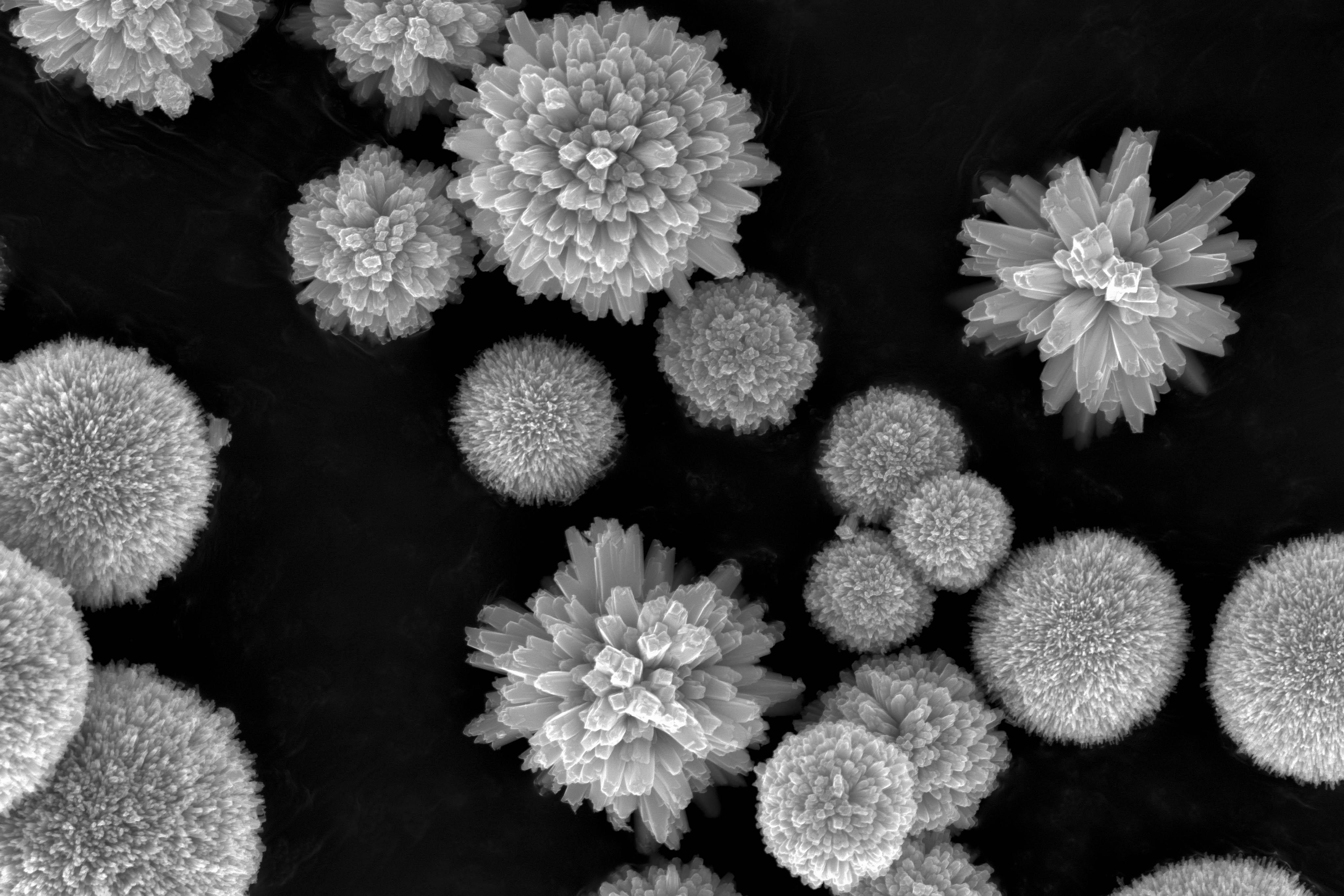
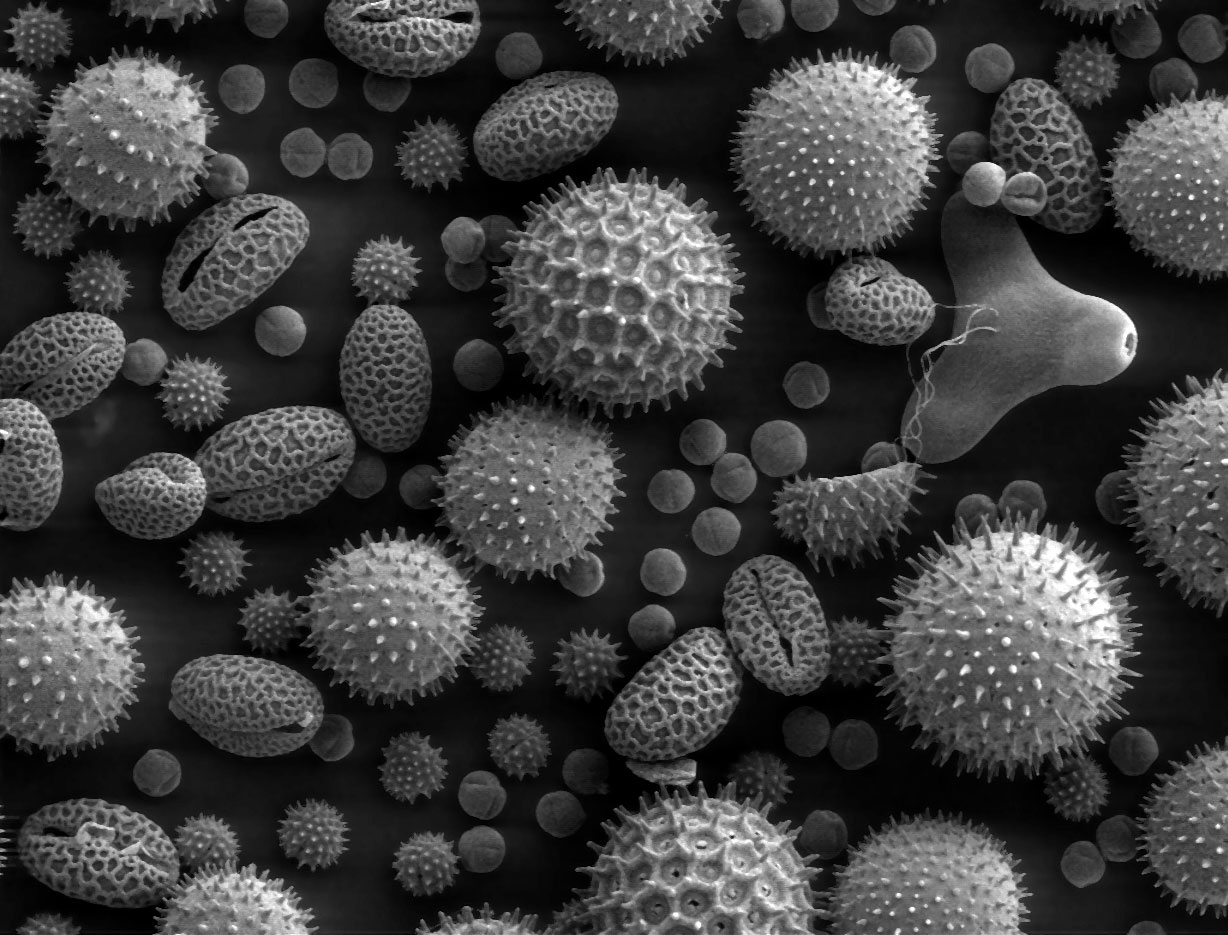
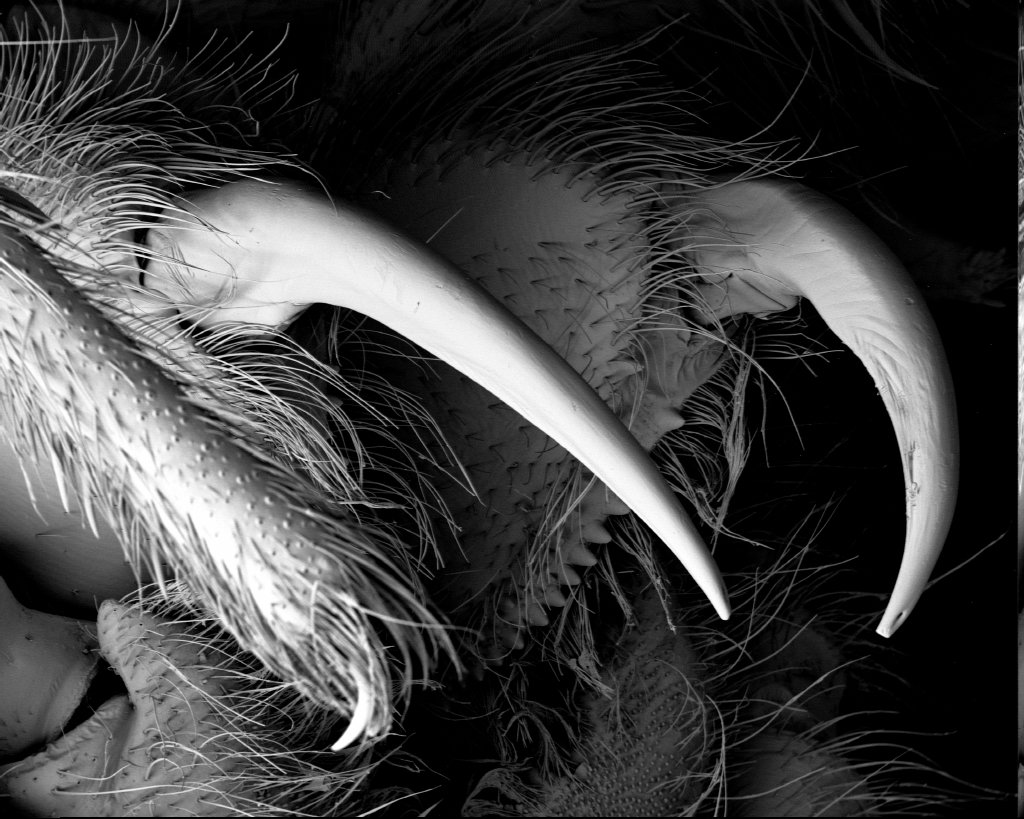
Identify the image that was used by the Transmission Electron Microscope (TEM).
A
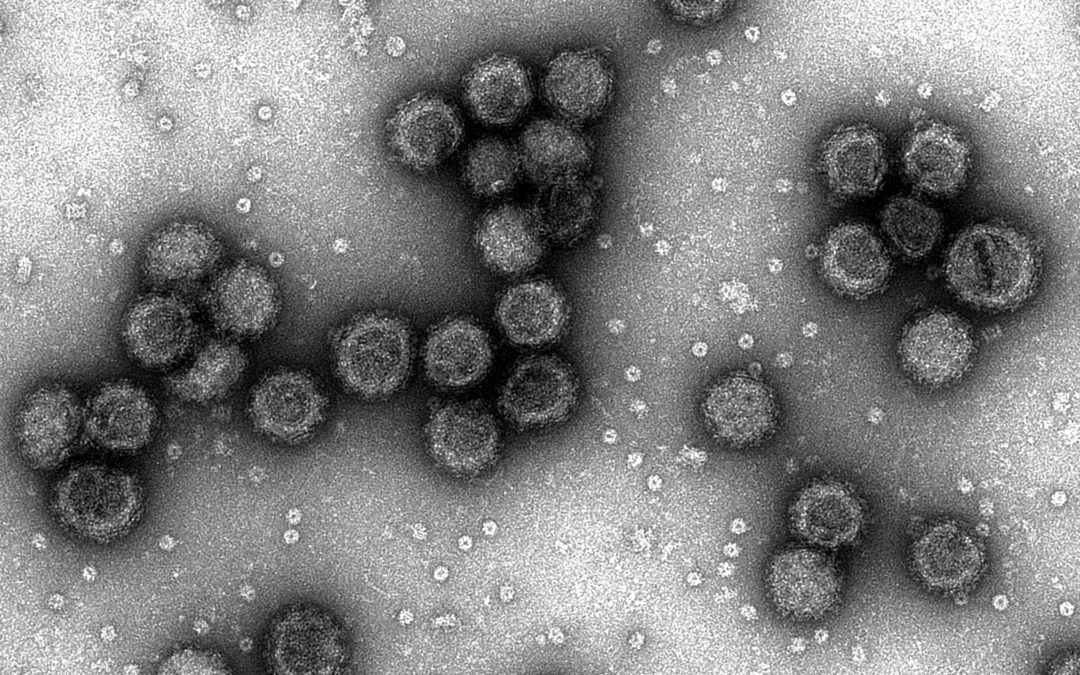
B
C
D