English Quiz – Diverse Fauna & Enjoying Vacation
This quiz is designed to review English materials from Chapters 1 and 2. It covers short dialogues, reading comprehension, and grammar about: 1️⃣ Diverse Fauna of Indonesia (Reported Speech) 2️⃣ Enjoying Vacation (Recount Text)

Question 1
1.
Rina: “I read in a science article that orangutans can make simple tools from sticks to reach fruits or honey.”
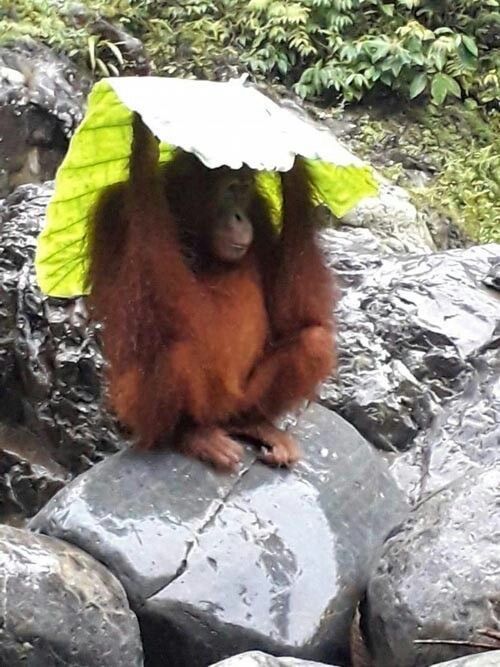
Doni: “Yes! And my teacher also said that they sometimes use large leaves as umbrellas when it rains. Isn’t it amazing how smart they are?”
Rina: “Wow, I didn’t know they could protect themselves from the rain like that.”
Doni: “Yeah, and they live mostly in the forests of Sumatra and Borneo, which is their natural habitat.”
What did Doni’s teacher say about orangutans?
a. They can’t use tools
b. They use leaves as umbrellas
c. They hate the rain
d. They live far from forests
Question 2
2.
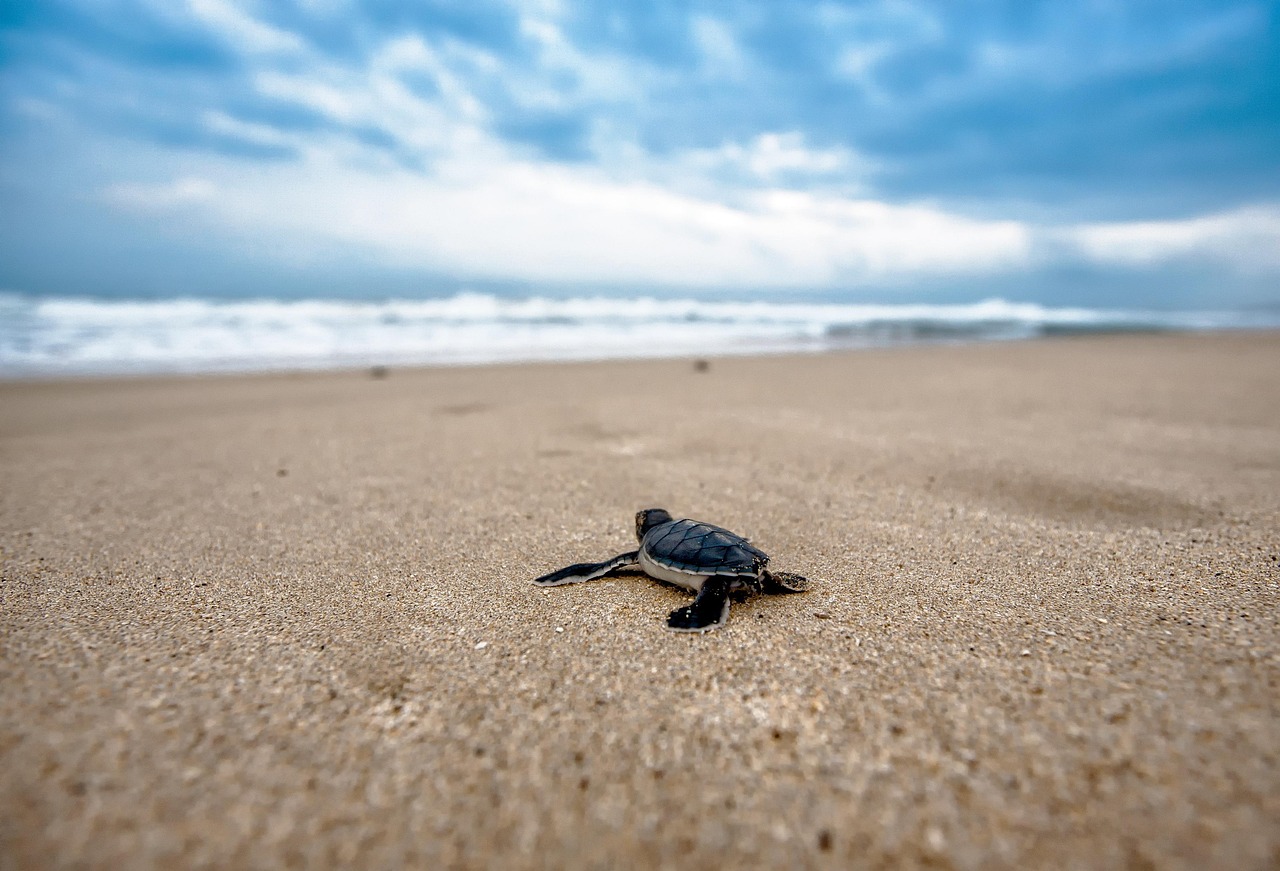
Guide: “These sea turtles are amazing. Every year, they return to this beach, even after traveling thousands of kilometers, to lay their eggs in the sand.”
Visitor: “Really? That’s incredible! I didn’t know they could travel so far.”
Guide: “Yes, and they always follow the same route they were born on. It helps them survive and keep their population growing.”
Visitor: “Wow, that’s so interesting! Nature is full of wonders.”
According to the guide, what do the sea turtles do?
a. They build nests for other animals
b. They live in the forest
c. They return every year to lay eggs
d. They migrate to mountains
Question 3
3.
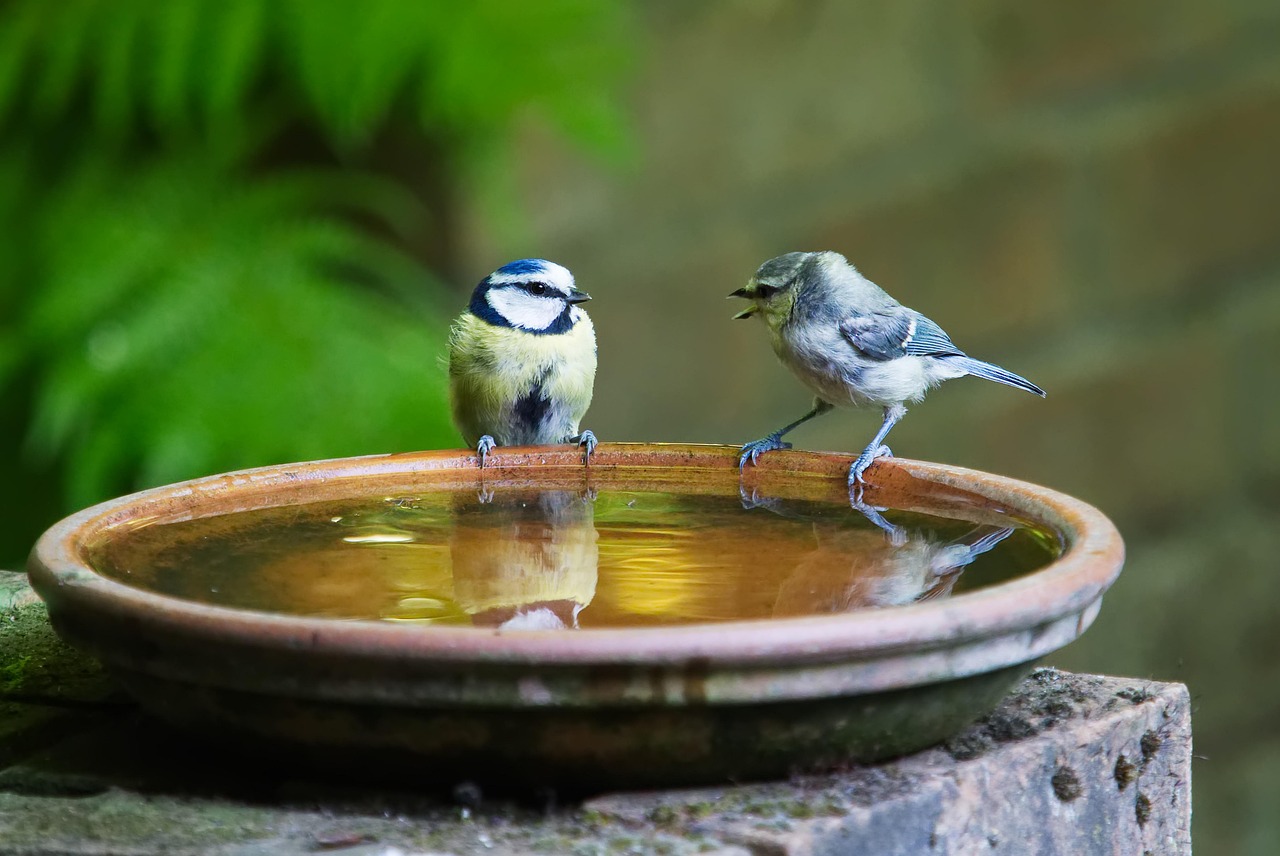
Ranger: “You might find it interesting that some birds here, like mynahs and parrots, can mimic human speech very well.”
Tourist: “That’s so funny! I didn’t expect that. Can they really say words like humans?”
Ranger: “Yes! Some of them can even copy short sentences and sounds they hear from visitors.”
Tourist: “I want to see that! It must be so funny when they talk.”
What did the ranger say about the birds?
a. They can dance to music.
b. They can talk like humans
c. They can’t sing at all
d. They live underwater
Question 4
4.
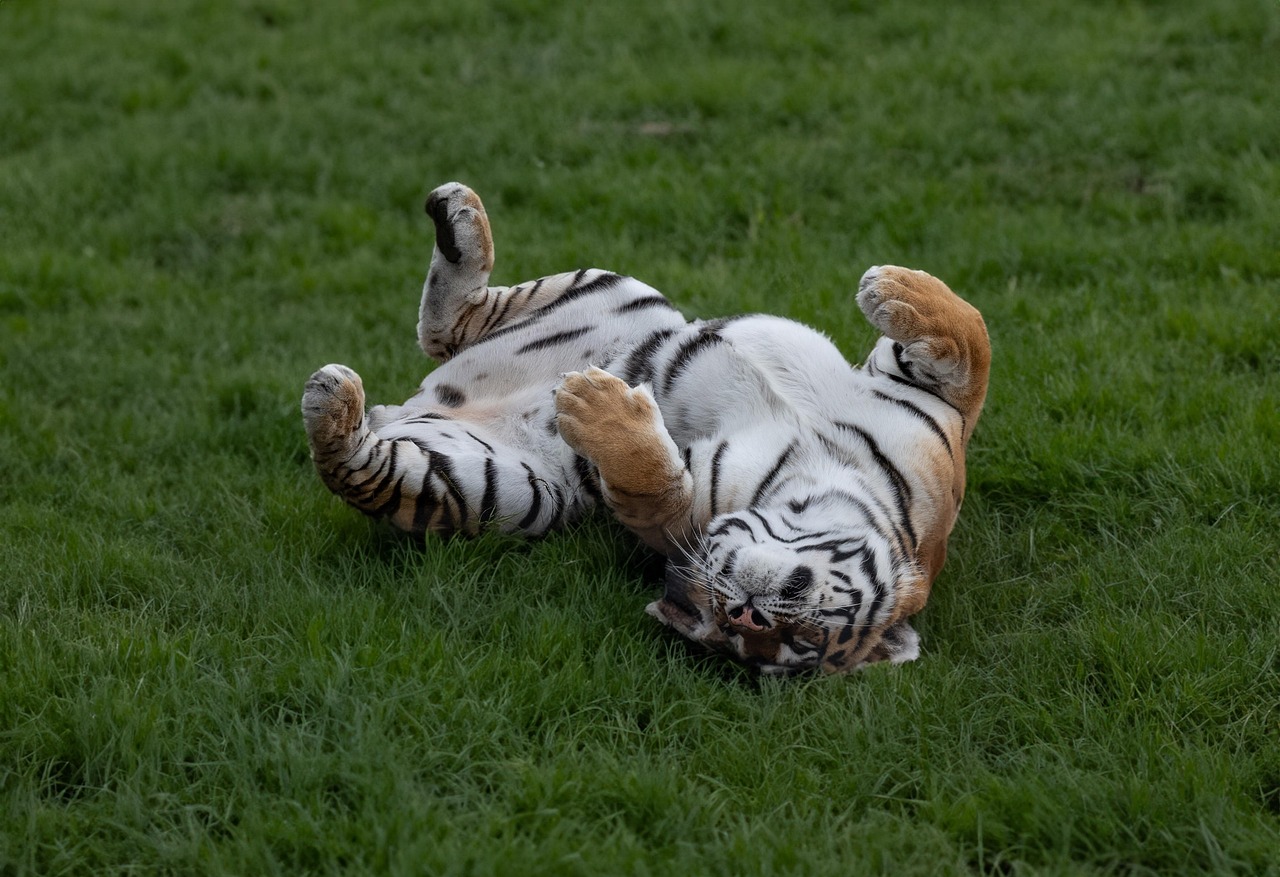
Student: “Our biology teacher told us in class today that Sumatran tigers are critically endangered because of habitat loss and poaching.”
Student 2: “That’s sad. I hope we can do something to help protect them.”
Student: “Yes, our teacher also explained that conservation programs are important to save their population.”
Student 2: “I see. We should learn more about endangered animals and how to protect them.”
What did the biology teacher tell the students?
a. Sumatran tigers are increasing in number.
b. Sumatran tigers are critically endangered.
c. Sumatran tigers are only found in Africa.
d. Sumatran tigers are very common
Question 5
Reading Text
The Komodo dragon, the world’s largest lizard, roams some Indonesian islands where hot, dry conditions are common. Adult Komodos can grow very large — males may reach lengths of more than three meters — and they are powerful predators that hunt deer, wild pigs, and birds. Their long, forked tongues sample scents in the air and on the ground, allowing them to sense prey from a surprising distance.
Komodo dragons have tough skin covered in rough scales that act like armor. They are ambush predators: they often lie camouflaged until prey comes close, then attack using strong jaws and sharp teeth. Some older accounts claimed that Komodo dragons use bacteria from their mouths to infect bitten prey, but recent studies show that Komodo saliva contains venomous proteins that can lower blood pressure in prey animals and help subdue them.
The islands inhabited by Komodo dragons are protected as national parks, and park rangers work with local communities to prevent poaching and preserve habitat. Eco-tourism provides income to the region, but park authorities carefully manage visitor access to balance local benefits with the safety of both humans and dragons. Education programs teach visitors how to behave near wild animals and explain why preserving Komodo habitats matters for biodiversity and cultural heritage.
5. What is one way Komodo dragons locate prey?
a. By listening for footsteps underwater.
b. By using long, forked tongues to sample scents.
c. By building traps in the sand.
d. By following bird migration routes.
Question 6
Reading Text
The Komodo dragon, the world’s largest lizard, roams some Indonesian islands where hot, dry conditions are common. Adult Komodos can grow very large — males may reach lengths of more than three meters — and they are powerful predators that hunt deer, wild pigs, and birds. Their long, forked tongues sample scents in the air and on the ground, allowing them to sense prey from a surprising distance.
Komodo dragons have tough skin covered in rough scales that act like armor. They are ambush predators: they often lie camouflaged until prey comes close, then attack using strong jaws and sharp teeth. Some older accounts claimed that Komodo dragons use bacteria from their mouths to infect bitten prey, but recent studies show that Komodo saliva contains venomous proteins that can lower blood pressure in prey animals and help subdue them.
The islands inhabited by Komodo dragons are protected as national parks, and park rangers work with local communities to prevent poaching and preserve habitat. Eco-tourism provides income to the region, but park authorities carefully manage visitor access to balance local benefits with the safety of both humans and dragons. Education programs teach visitors how to behave near wild animals and explain why preserving Komodo habitats matters for biodiversity and cultural heritage.
6. Which statement is TRUE according to the text?
a. Komodo dragons are herbivores.
b. Their skin is soft and smooth.
c. Komodo saliva contains venomous proteins.
d. Komodos only live in cold, wet places.
Question 7
Reading Text
The Komodo dragon, the world’s largest lizard, roams some Indonesian islands where hot, dry conditions are common. Adult Komodos can grow very large — males may reach lengths of more than three meters — and they are powerful predators that hunt deer, wild pigs, and birds. Their long, forked tongues sample scents in the air and on the ground, allowing them to sense prey from a surprising distance.
Komodo dragons have tough skin covered in rough scales that act like armor. They are ambush predators: they often lie camouflaged until prey comes close, then attack using strong jaws and sharp teeth. Some older accounts claimed that Komodo dragons use bacteria from their mouths to infect bitten prey, but recent studies show that Komodo saliva contains venomous proteins that can lower blood pressure in prey animals and help subdue them.
The islands inhabited by Komodo dragons are protected as national parks, and park rangers work with local communities to prevent poaching and preserve habitat. Eco-tourism provides income to the region, but park authorities carefully manage visitor access to balance local benefits with the safety of both humans and dragons. Education programs teach visitors how to behave near wild animals and explain why preserving Komodo habitats matters for biodiversity and cultural heritage.
7. The purpose of paragraph 3 is to:
a. Describe the Komodo’s mating habits.
b. Explain conservation efforts and tourism management.
c. Compare Komodos to other reptiles.
d. Provide a cooking recipe.
Question 8
Reading Text
The Komodo dragon, the world’s largest lizard, roams some Indonesian islands where hot, dry conditions are common. Adult Komodos can grow very large — males may reach lengths of more than three meters — and they are powerful predators that hunt deer, wild pigs, and birds. Their long, forked tongues sample scents in the air and on the ground, allowing them to sense prey from a surprising distance.
Komodo dragons have tough skin covered in rough scales that act like armor. They are ambush predators: they often lie camouflaged until prey comes close, then attack using strong jaws and sharp teeth. Some older accounts claimed that Komodo dragons use bacteria from their mouths to infect bitten prey, but recent studies show that Komodo saliva contains venomous proteins that can lower blood pressure in prey animals and help subdue them.
The islands inhabited by Komodo dragons are protected as national parks, and park rangers work with local communities to prevent poaching and preserve habitat. Eco-tourism provides income to the region, but park authorities carefully manage visitor access to balance local benefits with the safety of both humans and dragons. Education programs teach visitors how to behave near wild animals and explain why preserving Komodo habitats matters for biodiversity and cultural heritage.
8. The word "subdue" most closely means:
a. Alarm
b. Weaken and overcome
c. Locate
d. Confuse
Question 9
9. Complete the sentence using reported speech:
The ranger said, “Komodos live only on a few islands.”
a. The ranger said that Komodos live only on a few islands.
b. The ranger said Komodos lives only on a few islands.
c. The ranger says Komodos lived only on a few islands.
d. The ranger said that Komodos living only on a few islands.
Question 10
10. Choose the correct pronoun to complete the sentence:
“The Komodo uses __ tail to defend itself from threats.”
a. it
b. its
c. it’s
d. their
Question 11
11.
Lina: “Where did you go during the school break? Did you visit any famous places or try something new?”
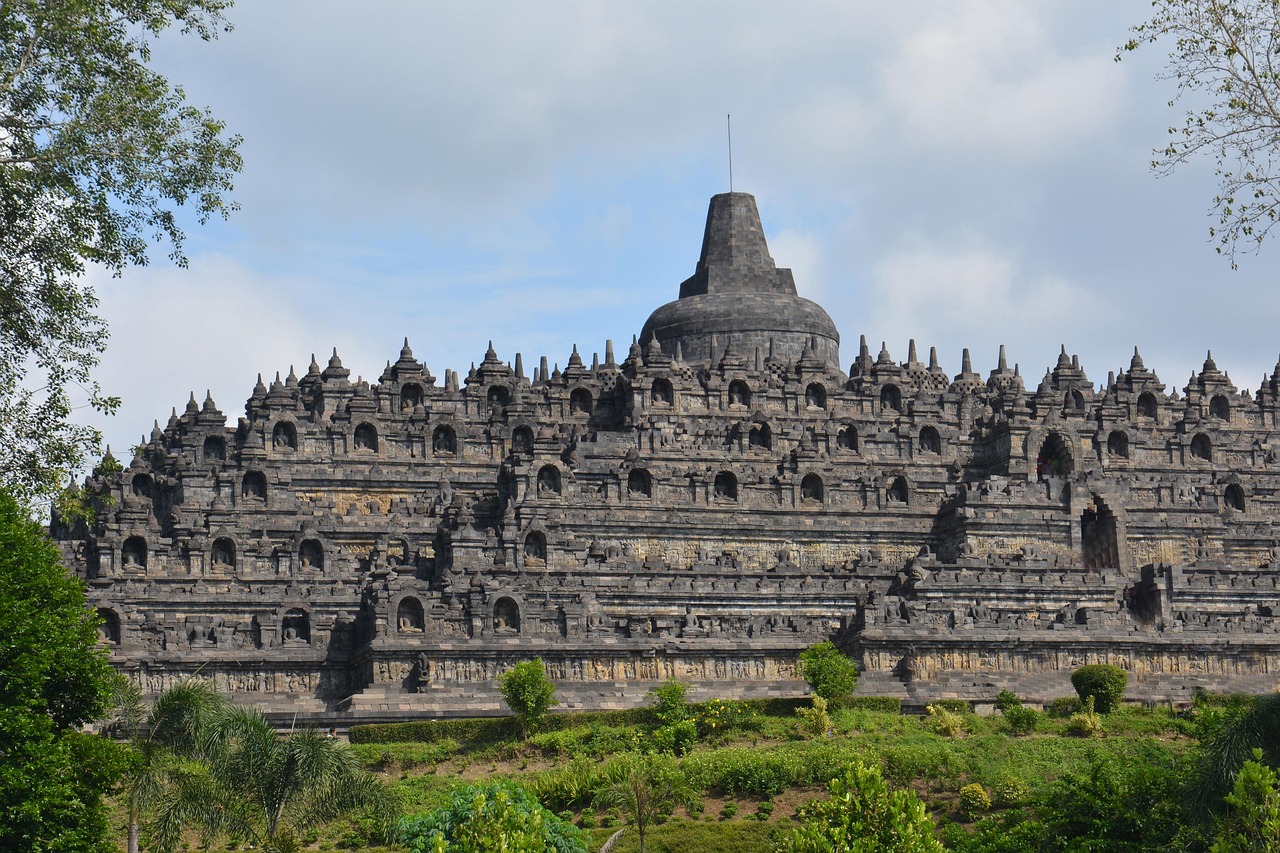
Dodi: “Yes, I went to Borobudur Temple with my cousins. We explored the temple area, learned about its history, and took a lot of pictures.”
Lina: “That sounds fun! Did you climb to the top?”
Dodi: “Yes, we did. The view from the top was amazing, and I really enjoyed spending time with my cousins.”
Where did Dodi spend his vacation?
a. at home
b. at Borobudur Temple
c. in Bali
d. In Jakarta
Question 12
12.
Teacher: “Did you enjoy your trip last weekend? What did you do there?”
Rani: “Yes, I did! I went to the beach with my family. I took many photos, played in the sand, and even tried surfing for the first time.”
Teacher: “Wow, that sounds exciting. Did you have fun?”
Rani: “Yes, it was amazing. I also collected some seashells to bring home as souvenirs."
What did Rani do during her trip?

a. she stayed at home
b. She took photos at the beach.
c. She visited her grandma.
d. She studied.
Question 13
13.
Boy: “When did you arrive in Yogyakarta? Was the train on time?”
Girl: “We arrived on Friday evening. The train was a bit late, so we got there after sunset.”
Boy: “Did you have time to explore the city?”
Girl: “A little, yes. We visited some local shops and tried the famous street food before checking into our hotel.”
When did the girl arrive in Yogyakarta?
a. On Friday evening.
b. On Saturday morning.
c. On Thursday.
d. On Sunday.
Question 14
14.
Mother: “Who went with you to the waterfall? Was anyone from school with you?”
Ani: “Yes, I went with my classmates and our English teacher. We also had a small picnic, took lots of photos, and enjoyed the nature around the waterfall.”
Mother: “Did you all stay for a long time?”
Ani: “We stayed for a few hours and then walked around the nearby trails before heading home. It was really fun and relaxing.”
Who went to the waterfall with Ani?

a. Her cousins
b. Her classmates and teacher
c. Her parents
d. Her brother
Question 15
Reading Text
Last month, my family and I went on a short vacation to Dieng Plateau. We left early in the morning to enjoy the cool air and beautiful scenery. The road was winding, but the view of the mountains and vegetable fields was breathtaking.
When we arrived, we visited Telaga Warna, a lake that changes color depending on the sunlight. My little brother was very excited and took lots of photos. After that, we went to see the ancient temples and tried some traditional potato snacks from local sellers.
In the afternoon, fog started to roll in, so we wore our jackets and took one last picture before heading home. It was a short trip, but I’ll never forget how peaceful and refreshing it felt to be in nature.
15. What did the writer visit first in Dieng Plateau?
a. Ancient temples
b. Telaga Warna Lake
c. Potato fields
d. A mountain peak
Question 16
Reading Text
Last month, my family and I went on a short vacation to Dieng Plateau. We left early in the morning to enjoy the cool air and beautiful scenery. The road was winding, but the view of the mountains and vegetable fields was breathtaking.
When we arrived, we visited Telaga Warna, a lake that changes color depending on the sunlight. My little brother was very excited and took lots of photos. After that, we went to see the ancient temples and tried some traditional potato snacks from local sellers.
In the afternoon, fog started to roll in, so we wore our jackets and took one last picture before heading home. It was a short trip, but I’ll never forget how peaceful and refreshing it felt to be in nature.
16. What did the writer’s family do before going home?
a. Bought souvenirs.
b. Stayed overnight.
c. Went swimming.
d. Took one last picture.
Question 17
Reading Text
Last month, my family and I went on a short vacation to Dieng Plateau. We left early in the morning to enjoy the cool air and beautiful scenery. The road was winding, but the view of the mountains and vegetable fields was breathtaking.
When we arrived, we visited Telaga Warna, a lake that changes color depending on the sunlight. My little brother was very excited and took lots of photos. After that, we went to see the ancient temples and tried some traditional potato snacks from local sellers.
In the afternoon, fog started to roll in, so we wore our jackets and took one last picture before heading home. It was a short trip, but I’ll never forget how peaceful and refreshing it felt to be in nature.
17. What was the writer’s impression of the trip?
a. Boring and tiring.
b. Peaceful and refreshing.
c. Noisy and crowded.
d. Scary and dangerous.
Question 18
Reading Text
Last month, my family and I went on a short vacation to Dieng Plateau. We left early in the morning to enjoy the cool air and beautiful scenery. The road was winding, but the view of the mountains and vegetable fields was breathtaking.
When we arrived, we visited Telaga Warna, a lake that changes color depending on the sunlight. My little brother was very excited and took lots of photos. After that, we went to see the ancient temples and tried some traditional potato snacks from local sellers.
In the afternoon, fog started to roll in, so we wore our jackets and took one last picture before heading home. It was a short trip, but I’ll never forget how peaceful and refreshing it felt to be in nature.
18. Why did they wear jackets in the afternoon?
a. Because it was raining heavily.
b. Because they wanted to look stylish.
c. Because fog made the air cold.
d. Because it was too sunny.
Question 19
19. Choose the correct past form:
“Yesterday, I ___ (climb) the hill behind our school.”
a. clomb
b. climbs
c. climbing
d. climbed
Question 20
20. Form a question using “Did + Verb 1”:
(you / see / the sunrise / this morning)
a. Did you see the sunrise this morning?
b. Did you saw the sunrise this morning?
c. Do you see the sunrise this morning?
d. Did you seeing the sunrise this morning?