
Year-End Review v2
Review of all 9th grade math concepts covered this year.

Question 1
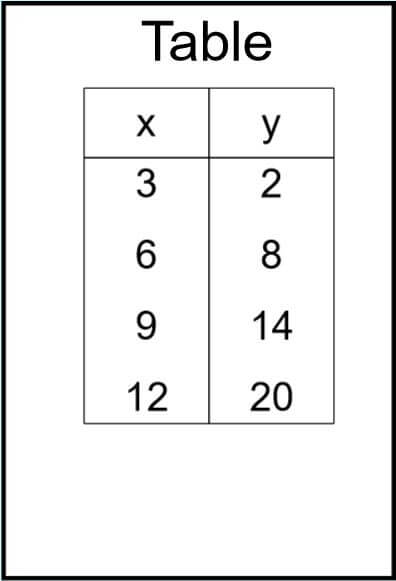
Choose the equation that describes the table:
Question 2
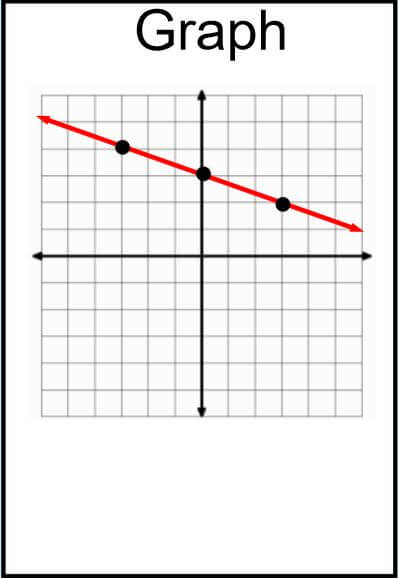
Choose the equation that represents the graph:
Question 3
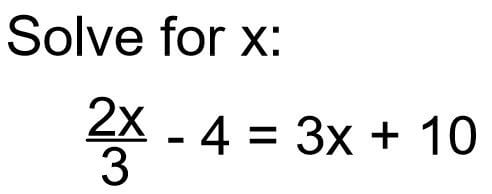
Solve the equation:
Question 4
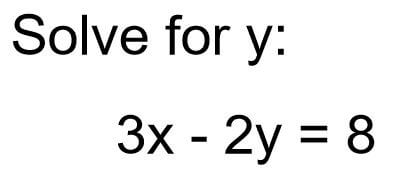
Solve the given equation:
Question 5
Solve the system:
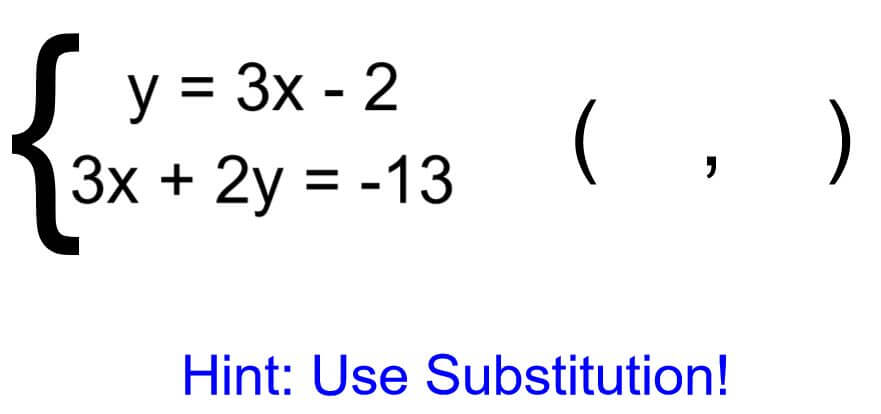
Question 6
Solve the system:
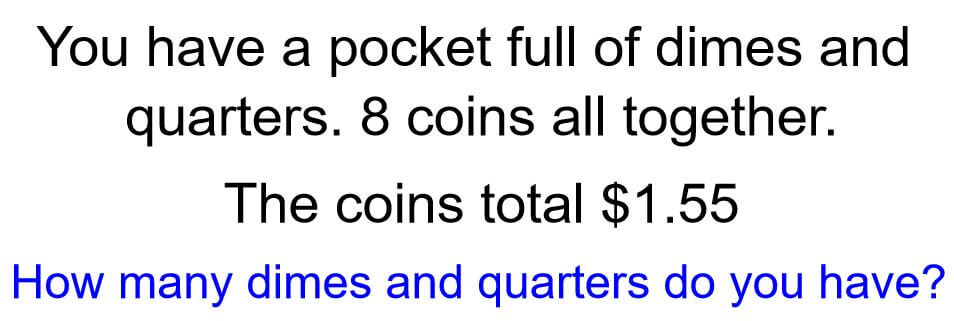
Question 7
Express the interval and an inequality:
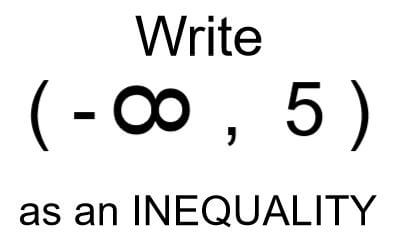
Question 8
Express the inequality as an interval:
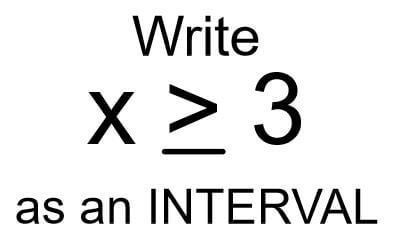


Question 9
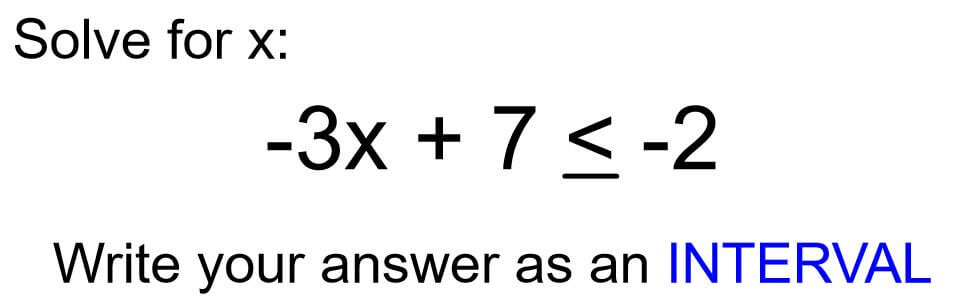
Solve the inequality: Choose the answer that is in INTERVAL form:


Question 10
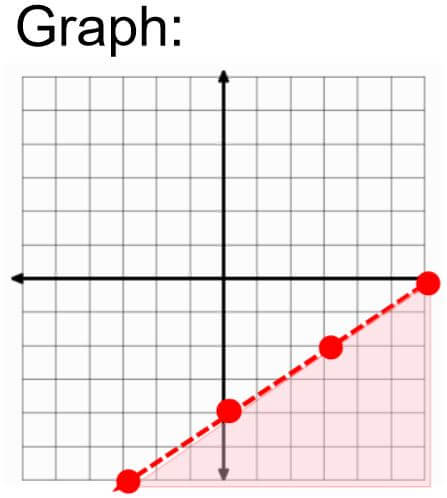
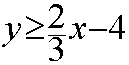
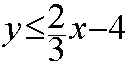
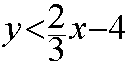
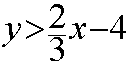
Choose the equation that matches the graph:
Question 11
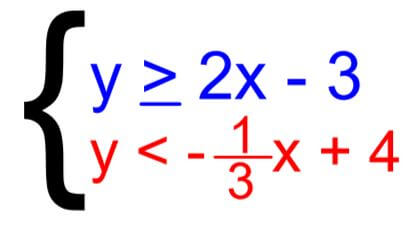
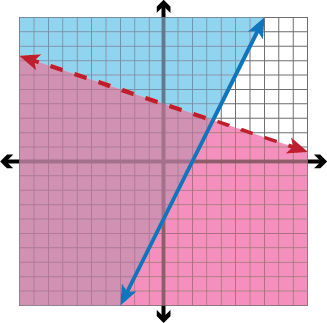
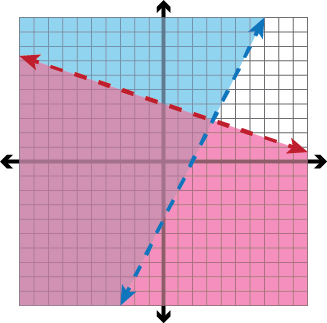
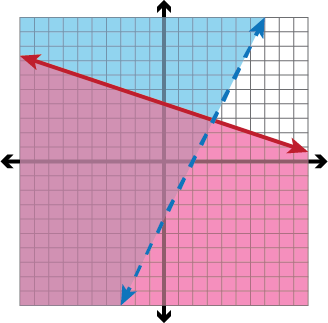
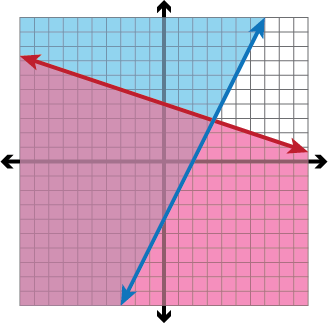
Choose the graph that matches the system of equations:
Question 12
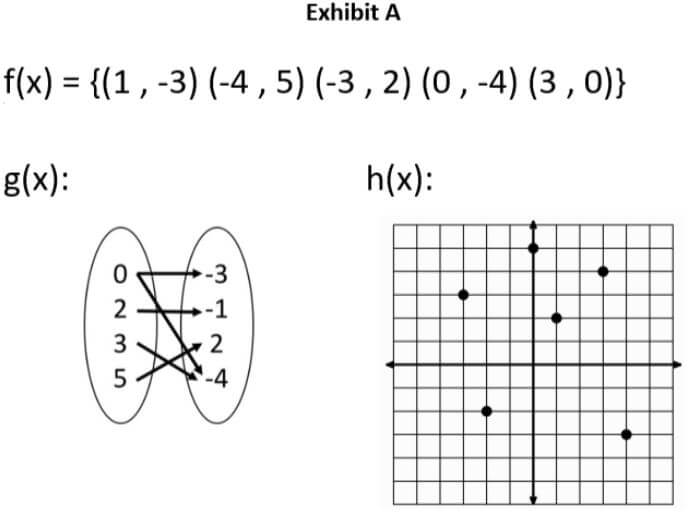
Is f(x) a function?
Question 13
Is g(x) a function?
Question 14
Is h(x) a function?
Question 15
What is g(2) =?
Question 16
What is h(1) =?
Question 17
What is f(-3) =?
Question 18
What is f(x) =0?
Question 19
What is h(x) =3?
Question 20
What is g(x) =2?
Question 21
Choose the RECURSIVE function that describes, {1, 3, 9, 27, 81, 243, ...}
Question 22
Choose the EXPLICIT function that describes, {1, 3, 9, 27, 81, 243, ...}
Question 23
Find the MEAN of the data:

Question 24
Find the MEDIAN of the data:
Question 25
Find the MODE of the data:
Question 26
Use the MEAN (2.6) and STANDARD DEVIATION (2.5) to find the 'normal' numbers are between ____ and ____
Question 27
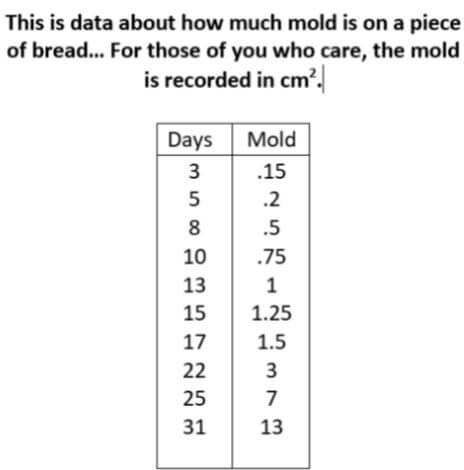
Use the following data to write the best possible equation to estimate how much mold there will be on day 20. The calculator would provide: y = a*b^x a = 0.11584, b = 1.169313, r^2 = 0.980779, r = 0.99034
Question 28
Describe the correlation of this data. The calculator would provide: y = a*b^x a = 0.11584, b = 1.169313, r^2 = 0.980779, r = 0.99034
Question 29
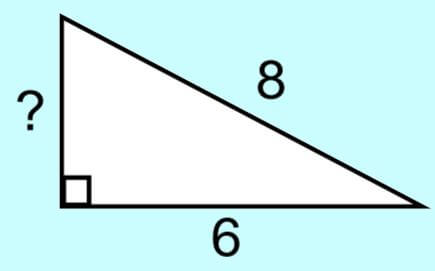
Fill in the missing information:
Question 30
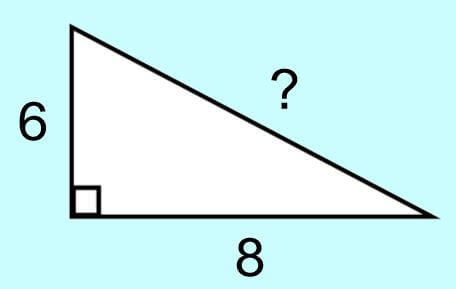
Fill in the missing information:
Question 31
Choose the line PARALLEL to the given line: y = 3x + 4
Question 32
Choose the line PERPENDICULAR to the given line: y = 3x + 4
Question 33
Select the equation of a line that is PARALLEL to the line y = -1/2 x + 2 and passes through the point: (-4,3)
Question 34
Select the equation of a line that is PERPENDICULAR to the line y = -1/2 x + 2 and passes through the point: (-4,3)