Landforms Shaped by Water and Wind

Question 1
Water and earth are two important agents of weathering, erosion, and deposition.
True
False
Question 2
Erosion by water and wind can change the shape of landforms.
Question 3
Streams are inactive systems that will not erode land and will not transport sediment.
Question 4
The erosion produced by a stream depends on the wind energy.
Question 5
Old stream has the most stream’s energy, therefor water will flow rapidly downhill.
Question 6
Water from a young stream slows down as it reaches to this steam. What is the name of this stream that water will flow down from the young stream?
Question 7
A ________ is a broad, C-shaped curve in a stream.
Question 8
What is the name of the stream when a stream moves slowly when it reaches flat land?
old stream
mature stream
young stream
teenager stream
Question 9
Over time, more erosion occurs on the intside of bends where water flows faster.
Question 10
More deposition occurs on the outside of bends where water flows slower.
Question 11
Coastal erosion is when waves crashing into shore erode loose sand, gravel, and rock along coastlines.
Question 12
A longshore current is a current that flows perpendicular to the shoreline.
Question 13
Water erosion can also form caves, stacks, and arches.
Question 14
Fast-moving water deposits sediment on the inside curves of meanders.
Question 15
A delta is a large deposit of sediment that forms where a stream enters a large body of water.
Question 16
Much of the sand on most ocean beaches was originally deposited by ocean.
Question 17
Longshore currents transport the sand along ocean coasts and deposit it where the currents have less energy.
True
False
Question 18
What is the name of the top structure that are form within the caves?
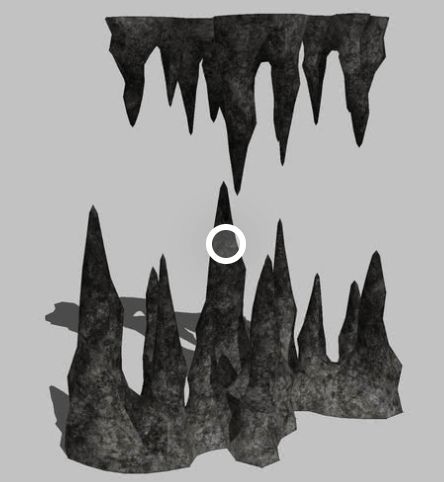
teeth
Column
stalagmites
stalactites
Question 19
What is the name of the bottom structure that are form within the caves?
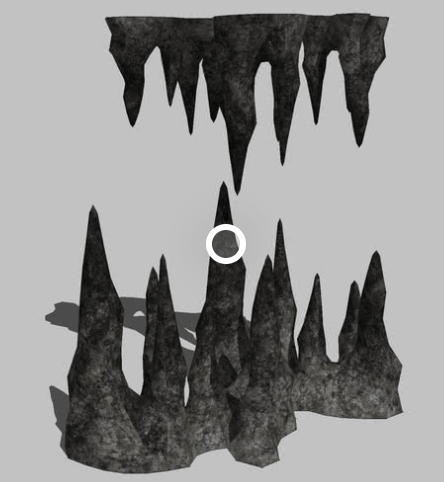
stalagmites
stalactites
Column
teeth
Question 20
To reduce erosion, people sometimes build structures such as retaining walls or groins.
Question 21
Reducing or removing vegetation from the land surface is one of the most common ways to reduce surface erosion.
Question 22
Constructive processes build up features on Earth’s surface.
True
False
Question 23
A combination of constructive processes and destructive processes produces life.
True
False
Question 24
Destructive processes build up features on Earth’s surface
True
False
Question 25
Weathering is the atmospheric conditions and short-term changes in a particular place at a specific time.
True
False