Science quiz

Question 1
Which mirror shows a lateral inversion of light?

Question 2
What is density?
Question 3
Which of the following is an element of the periodic table?
Question 4
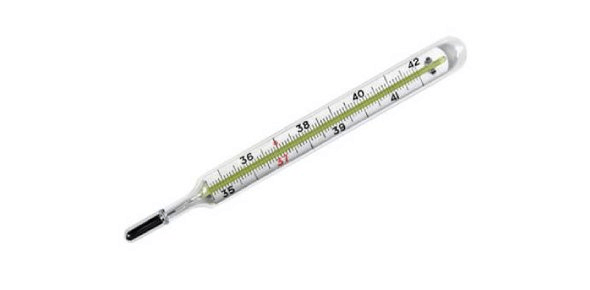
Which of the following instruments is used to check the temperature:
Question 5
When a person jumps on Earth, why does the person always come back down?
Question 6
How much oxygen is contained in Earth's atmosphere?
Question 7
If you were able to put Saturn in a swimming pool, it would float. Why?
Question 8
Which of the following is an example of Nekton in the ocean?
Question 9
Why can't anyone land on Mercury?
Question 10
When you touch a stove that's on, why do you get burned?
Question 11
What is the Sun?
Question 12
Morning dew is an example of which portion of the water cycle?
Question 13
The food or chemical energy source made by plants through photosynthesis is:
Question 14
When things heat up they ___
Question 15
The preserved remains of once-living organisms are called:
Question 16
When you go further down in the ocean, what happens
Question 17
What element is made in thermometers?
Question 18
What is greenhouse effect?
Question 19
What layer of the Sun is visible to us, but it's too bright to see?
Question 20
How many planets is currently in our solar system?