Copy of Bonding Game
A review of our bonding topic!

Question 1
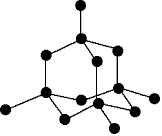
Which giant covalent structure is shown?
Question 2
Which of these covalent structures is the only one to form 4 bonds between every carbon instead of 3?
Question 3
What kind of ion would chlorine form?
Question 4
What kind of ion would strontium form?
Question 5
What kind of ion would gallium form?
Question 6
What kind of ion would phosphorus form?
Question 7
Which element is shown? (make sure you spell it right)
Question 8
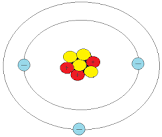
Which element is shown? (make sure you spell it right)
Question 9
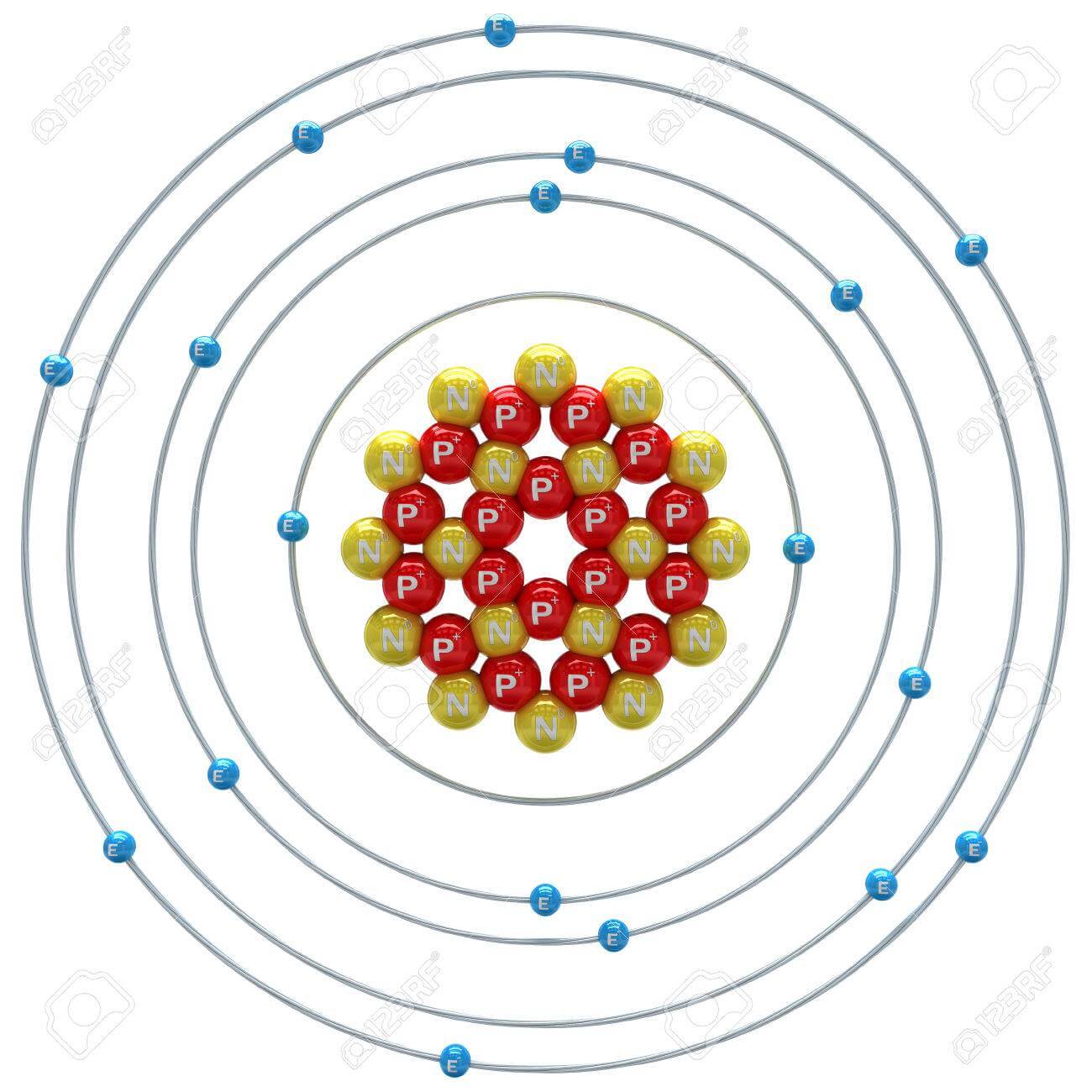
Which element is shown? (make sure you spell it right)
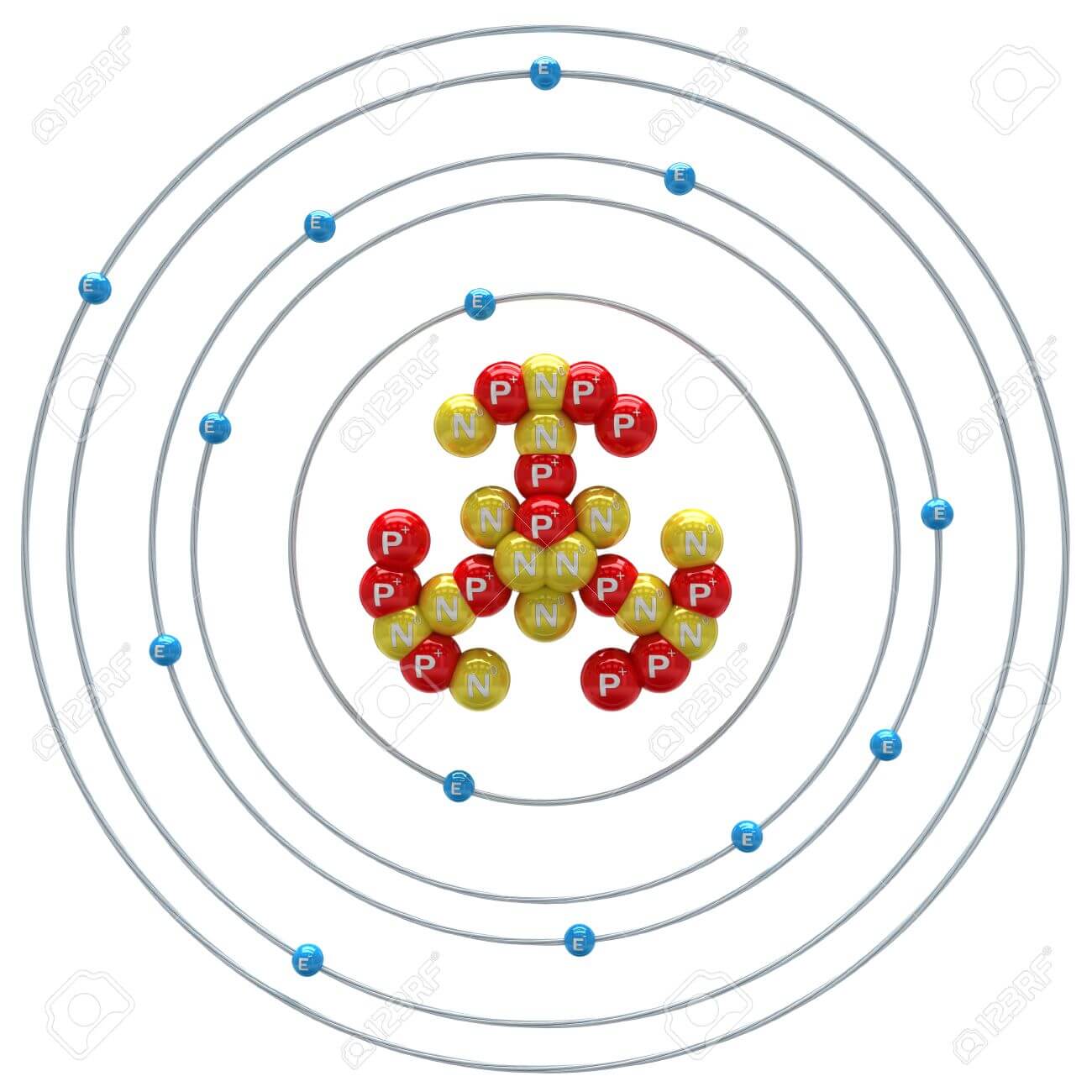
Question 10
Which element is shown? (Make sure you spell it right)
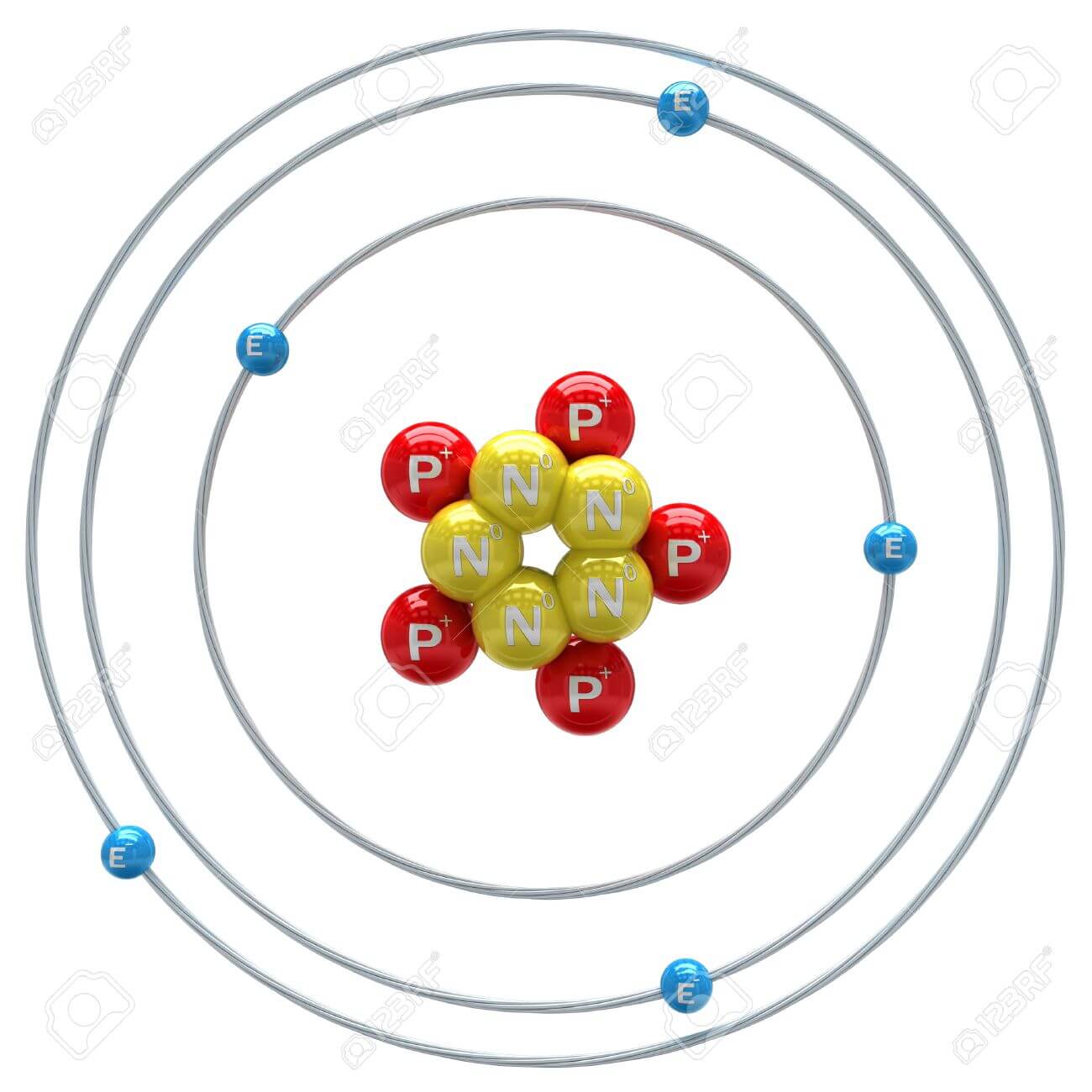
Question 11
Which of these alkali metals is the most reactive?
Question 12
The term halogen refers to an element from which group?
Question 13
Write the correct ionic formula for barium fluoride. Write it like this one for magnesium bromide as an example: MgBr2
Question 14
Write the correct ionic formula for sodium chloride. Write it like this one for magnesium bromide as an example: MgBr2
Question 15
Write the correct ionic formula for calcium oxide. Write it like this one for magnesium bromide as an example: MgBr2
Question 16
Write the correct ionic formula for aluminum nitride. Write it like this one for magnesium bromide as an example: MgBr2
Question 17
Write the correct ionic formula for rubidium phosphide. Write it like this one for magnesium bromide as an example: MgBr2
Question 18
Write the correct ionic formula for lithium sulfide. Write it like this one for magnesium bromide as an example: MgBr2
Question 19
Write the correct ionic formula for boron selenide. Write it like this one for magnesium bromide as an example: MgBr2
Question 20
Which of these is the correct ionic formula for sodium hydroxide?
Question 21
Which of these is the correct ionic formula for potassium sulfate?
Question 22
Which of these is the correct ionic formula for barium sulfate?
Question 23
Which of these is the correct formula for boron nitrate
Question 24
Which of these metals is an alloy?
Question 25
Which of these metals is an alloy?
Question 26
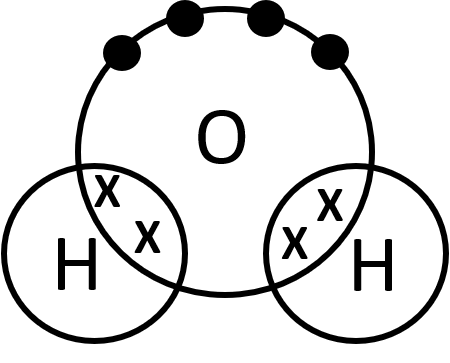
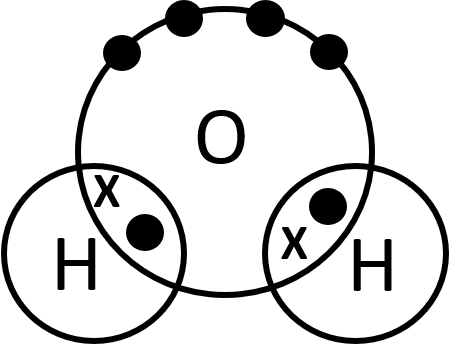
Which of these covalent bonding diagrams for water (H2O) is correct?
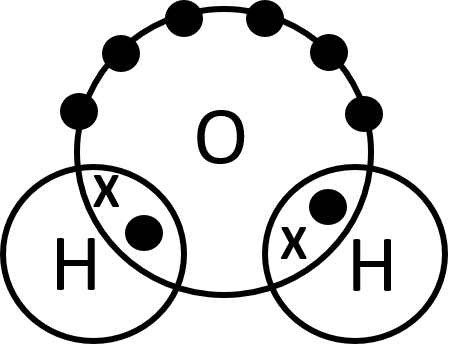
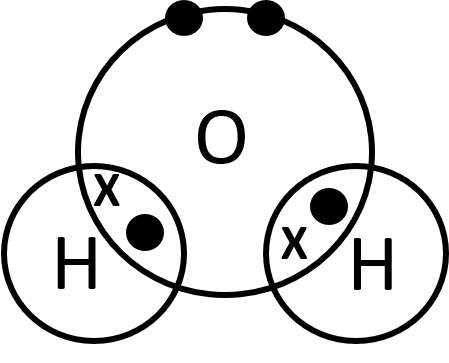
Question 27
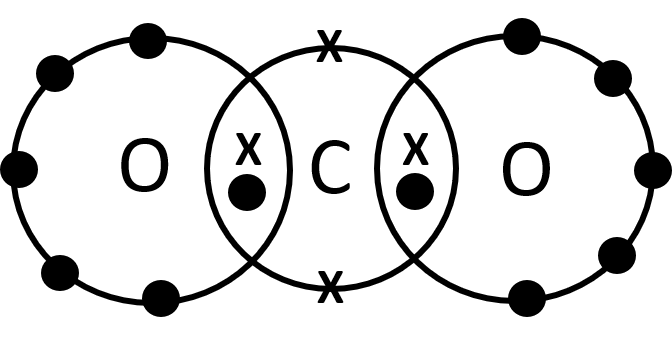
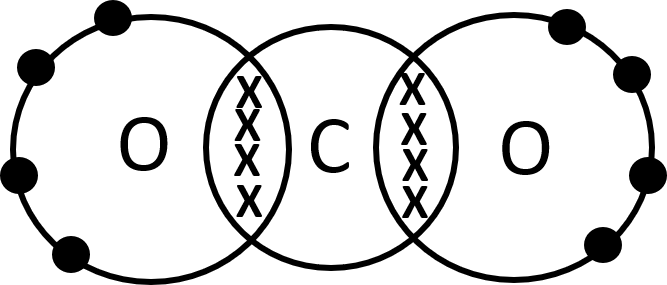
Which of these covalent bonding diagrams for carbon dioxide (CO2) is correct?
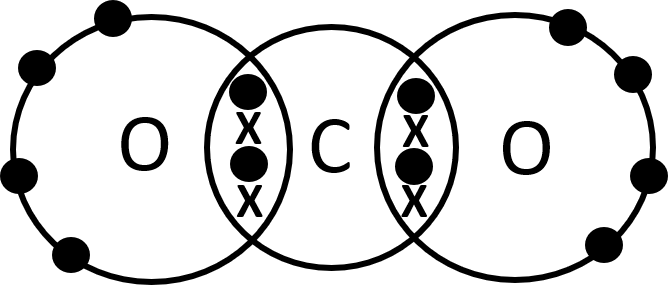
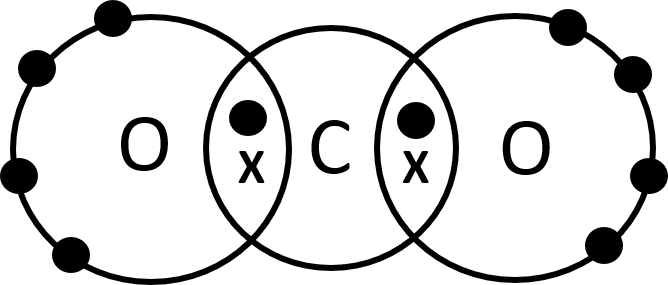
Question 28
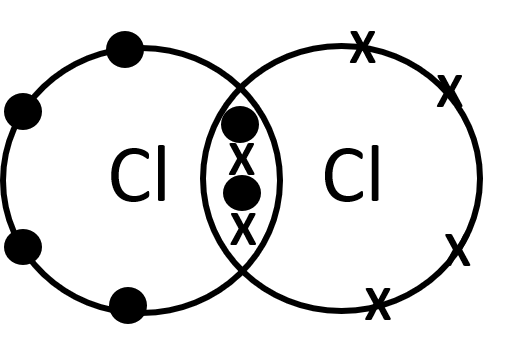
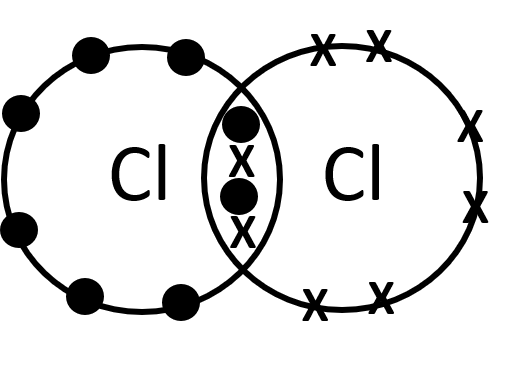
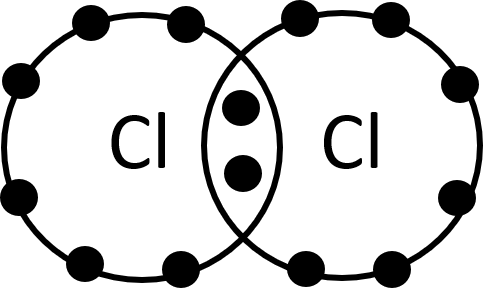
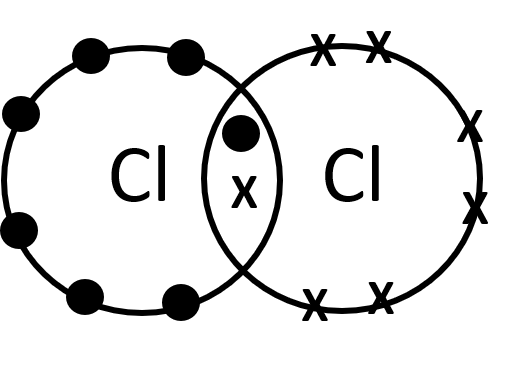
Which of these covalent bonding diagrams for a chlorine molecule (Cl2) is correct?
Question 29
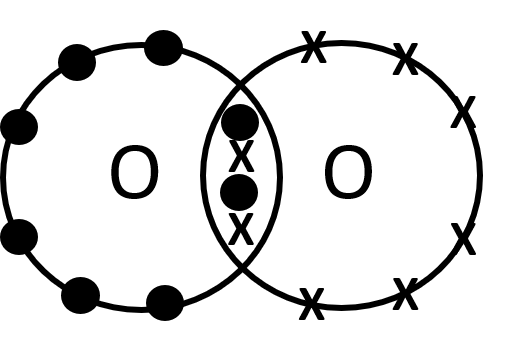
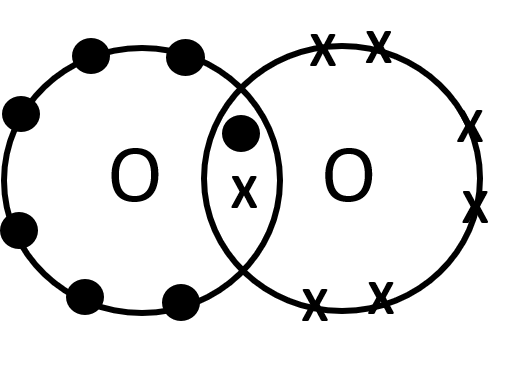
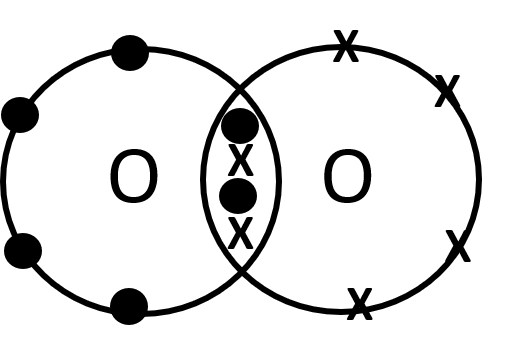
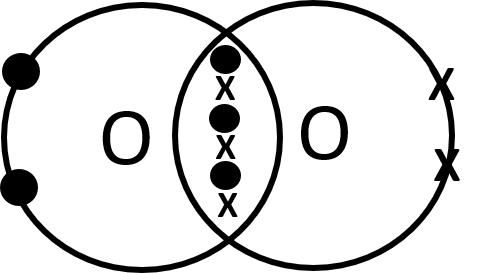
Which of these covalent bonding diagrams for an oxygen molecule (O2) is correct?
Question 30
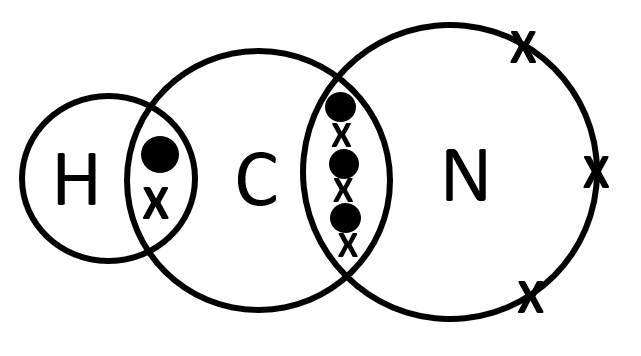
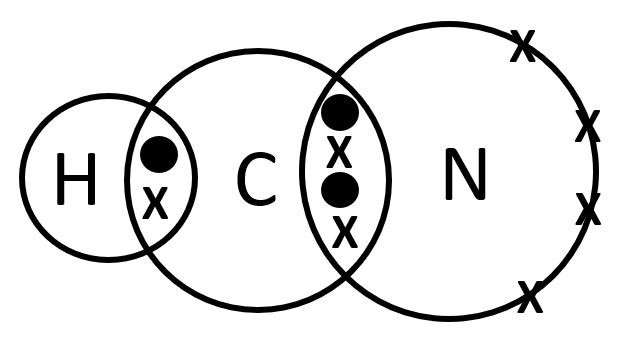
Which of these covalent bonding diagrams for hydrogen cyanide (HCN) is correct?
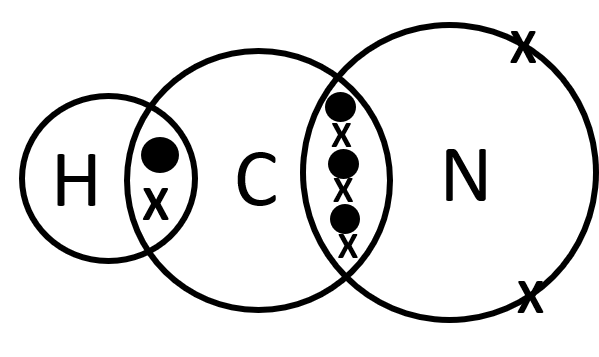
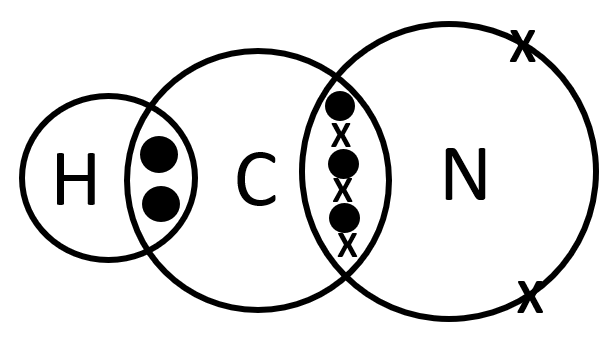
Question 31
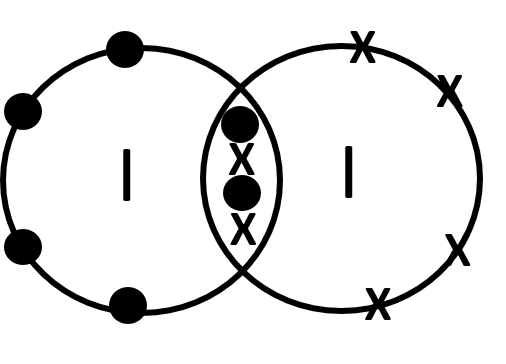
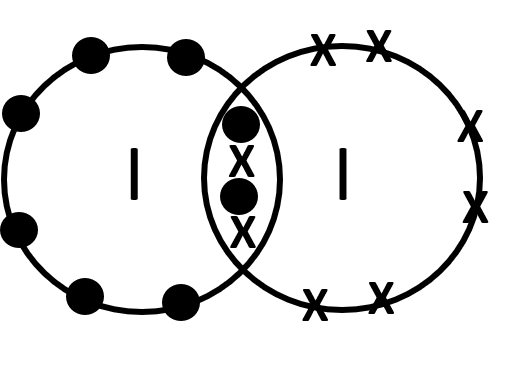
Which of these covalent bonding diagrams for an iodine molecule (I2) is correct?
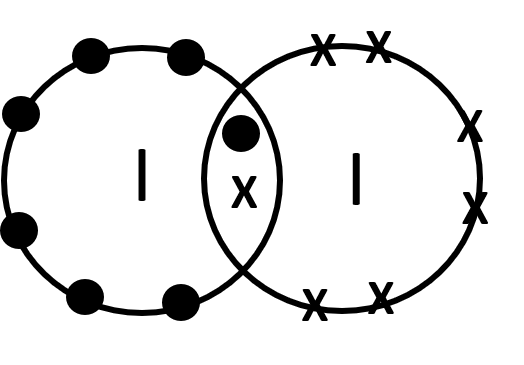
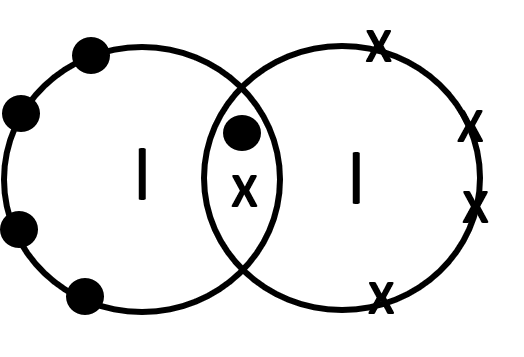
Question 32
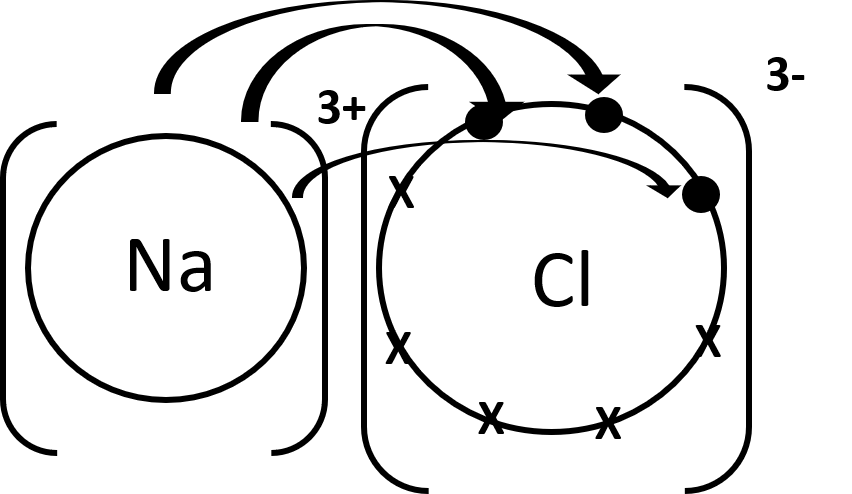
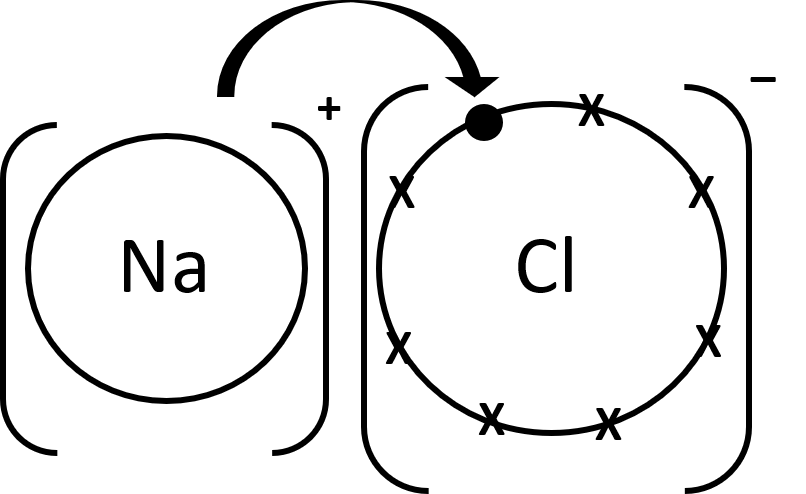
Which of these ionic bonding diagrams for sodium chloride is correct?
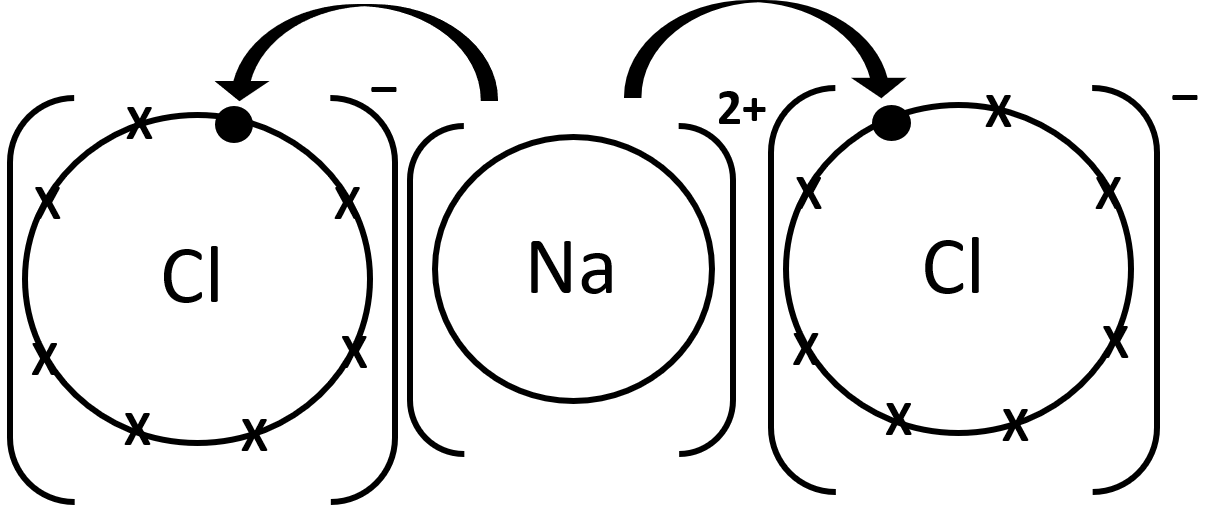
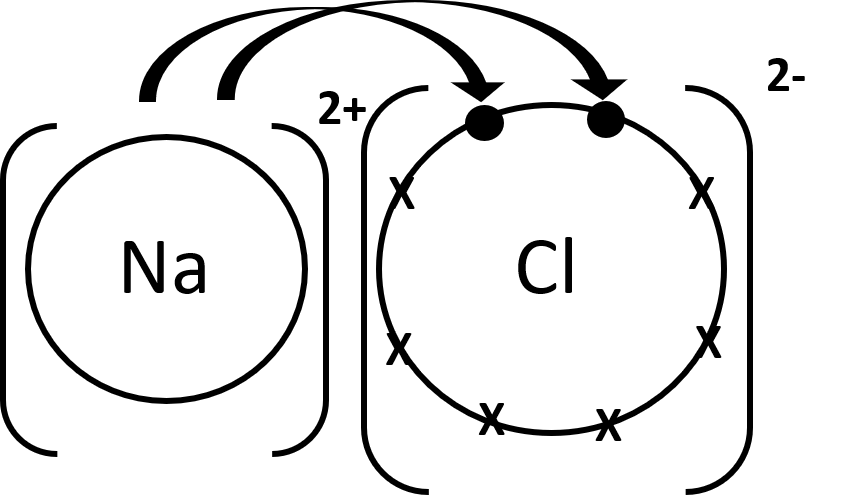
Question 33
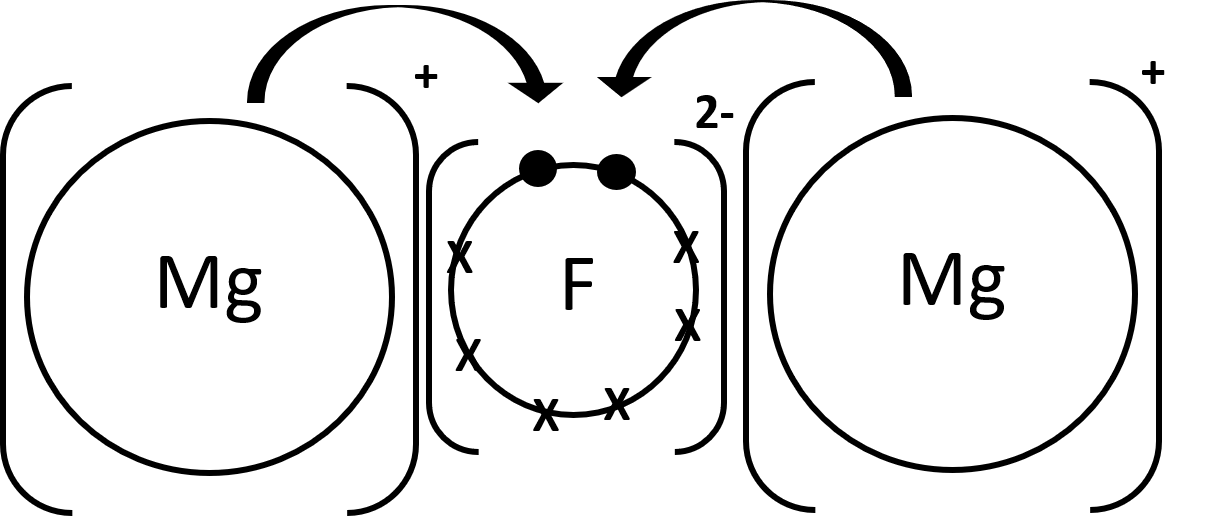
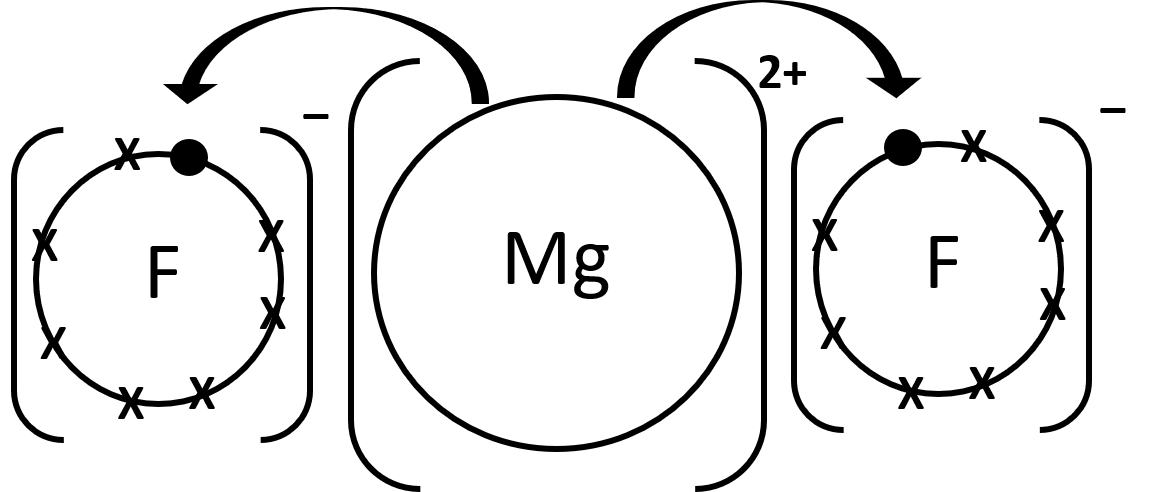
Which of these ionic bonding diagrams for magnesium fluoride is correct?
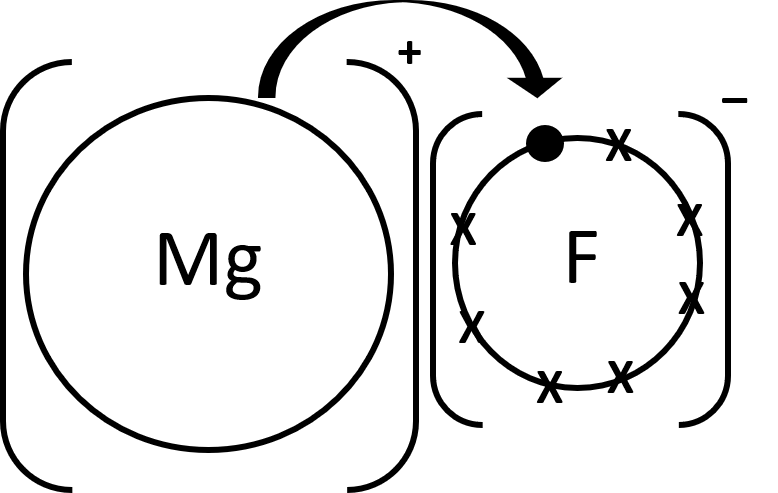
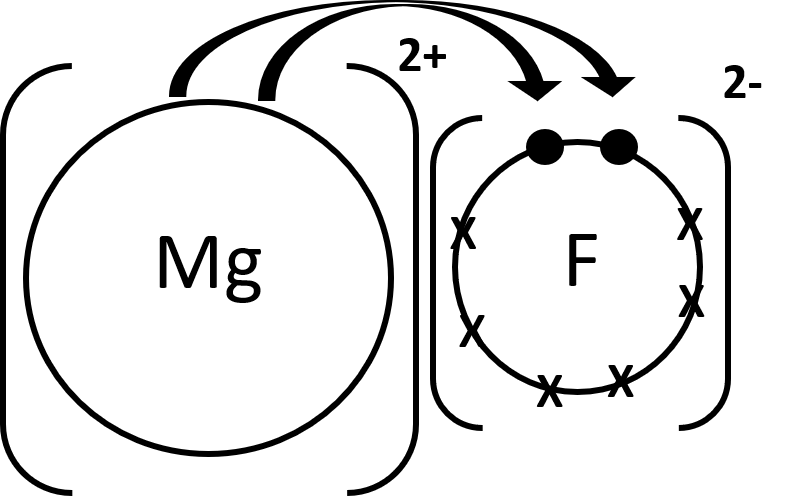
Question 34
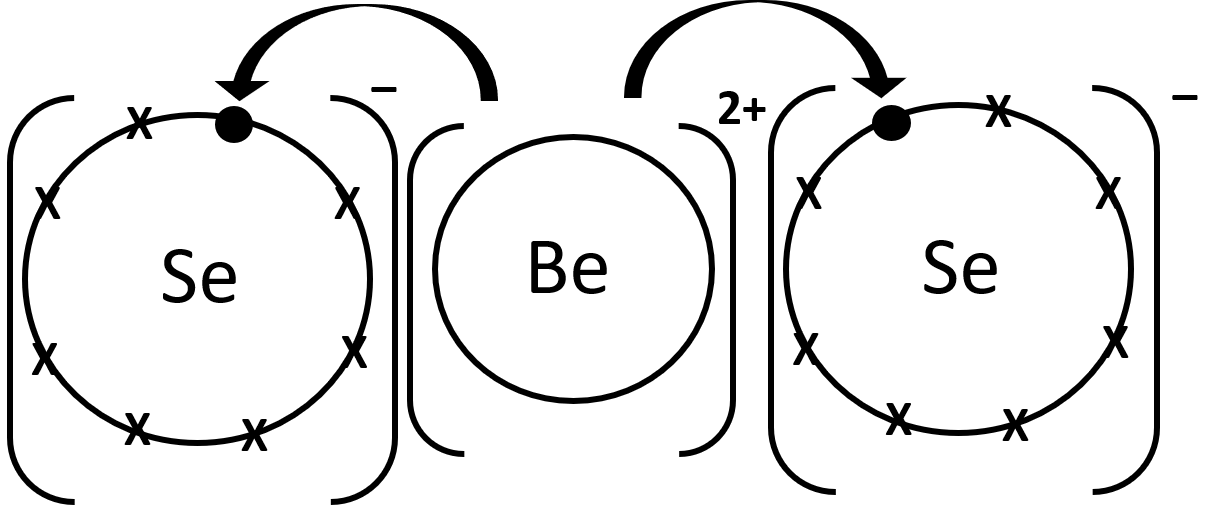
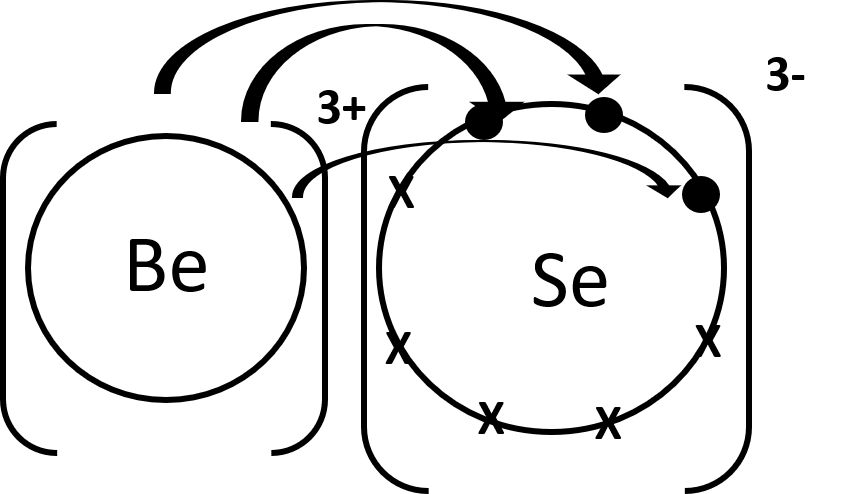
Which of these ionic bonding diagrams for beryllium selenide is correct?
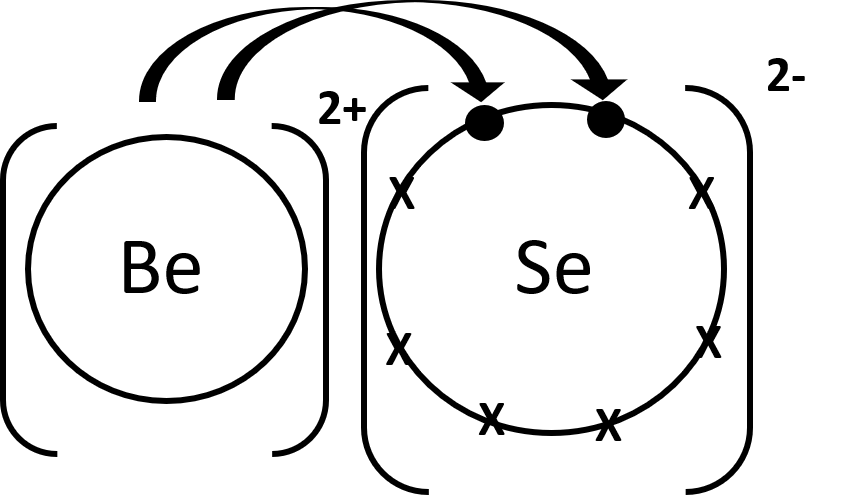
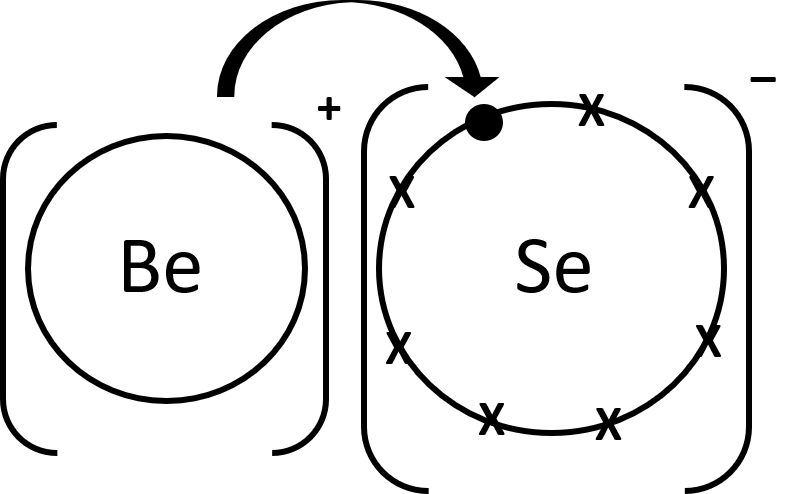
Question 35
Which of these ionic bonding diagrams for aluminium bromide is correct?
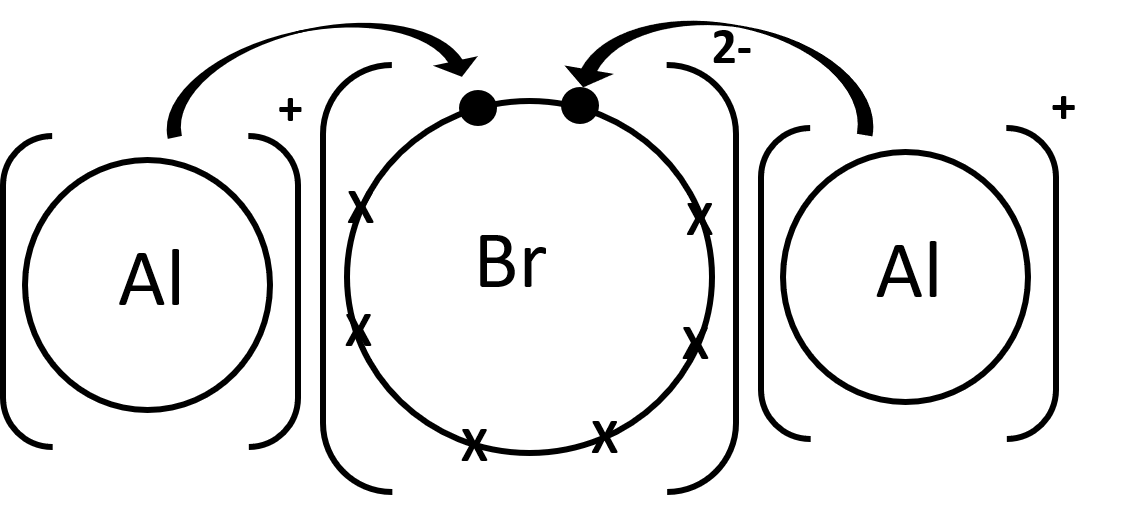
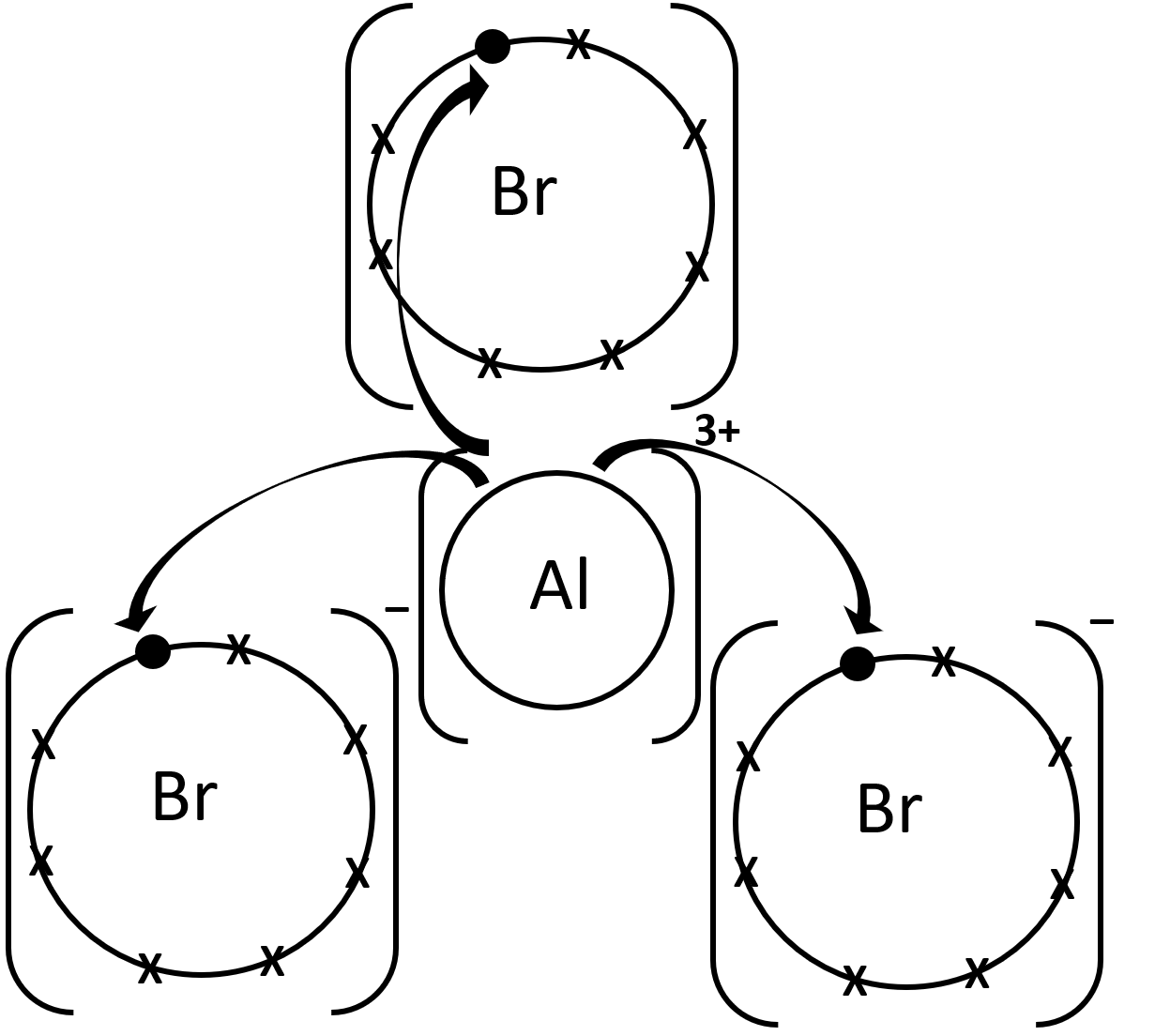
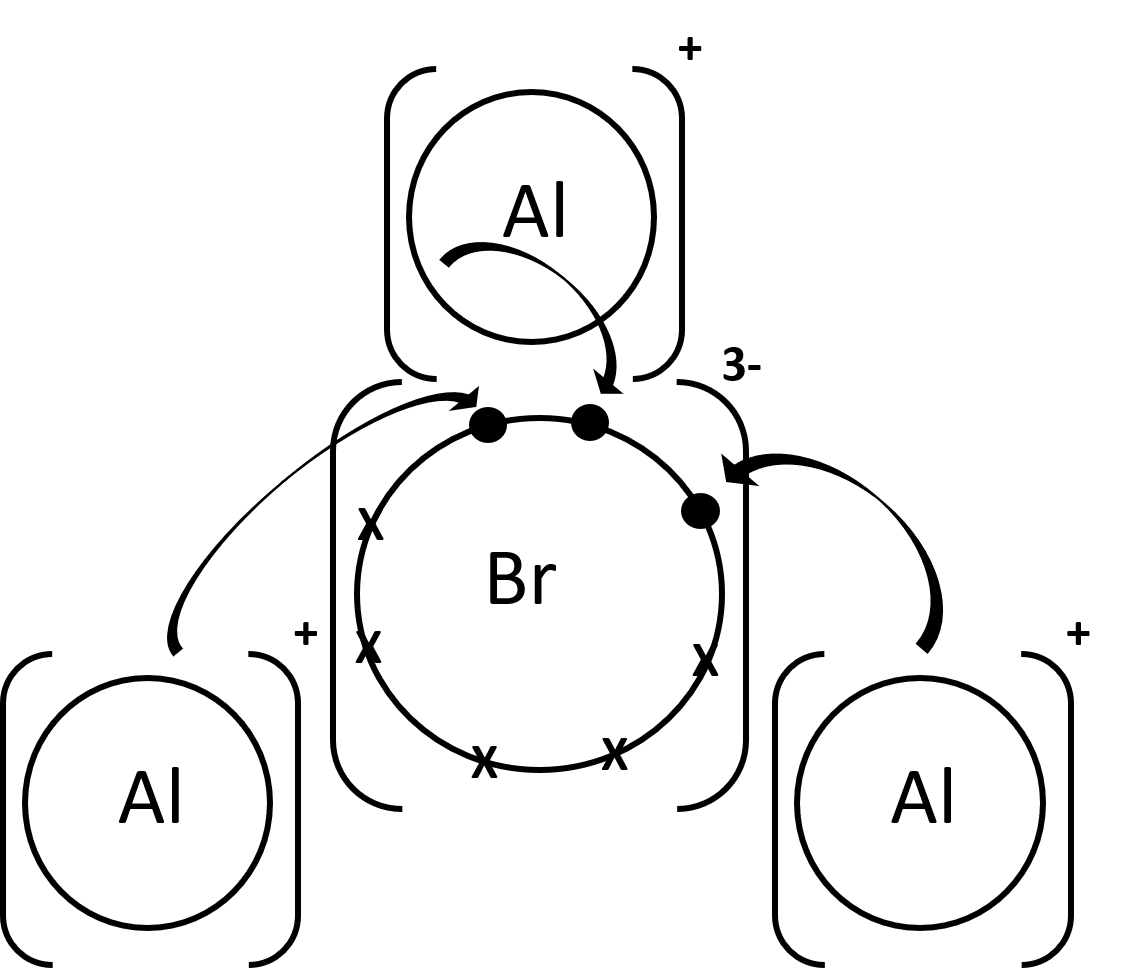
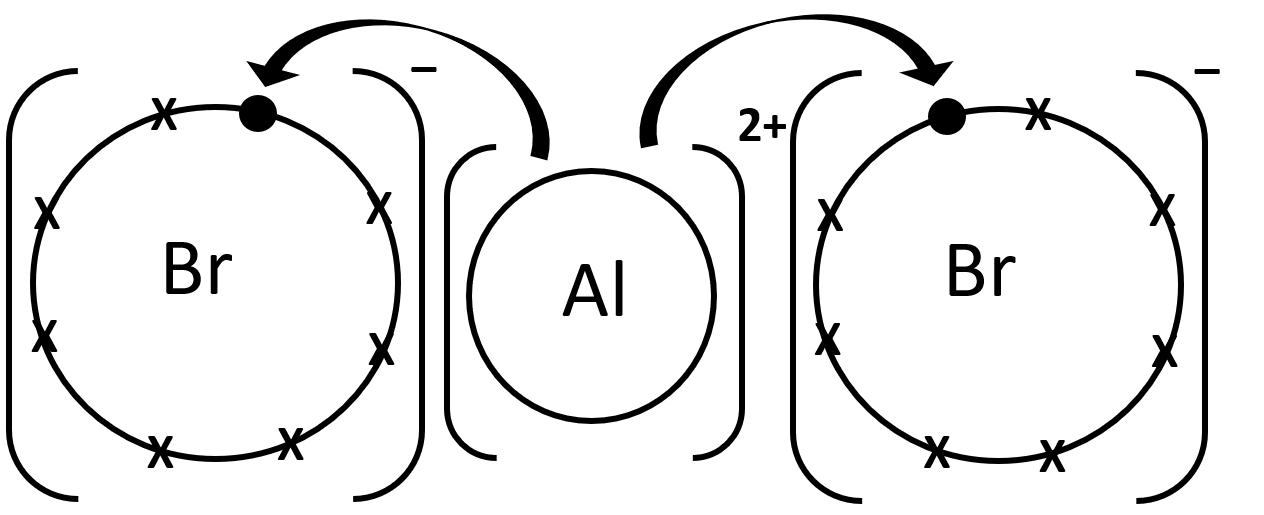
Question 36
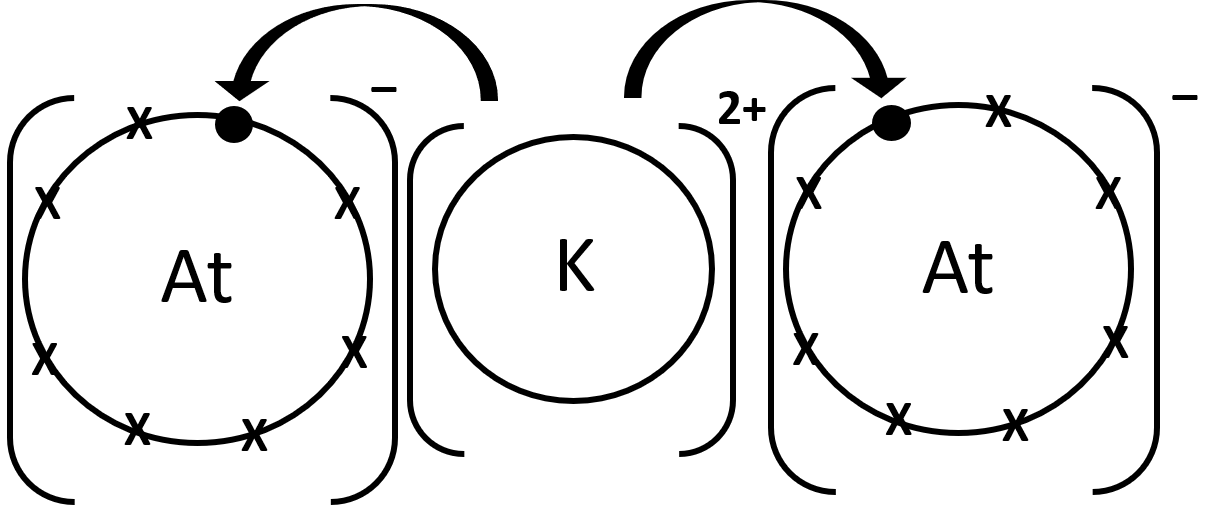
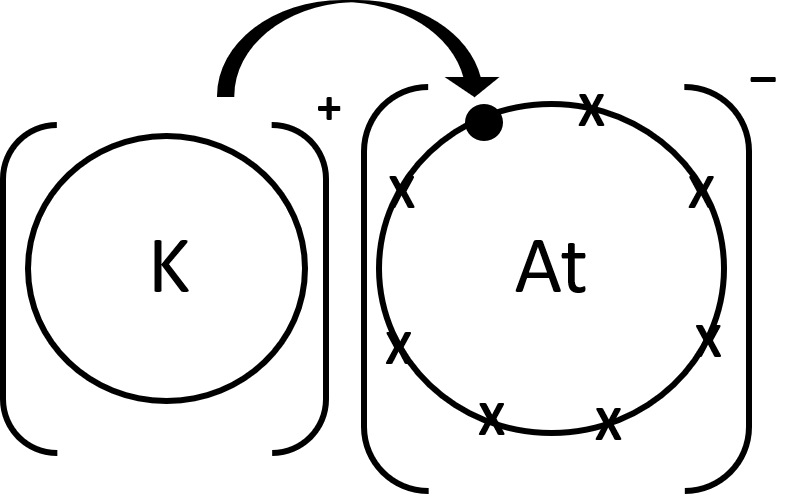
Which of these ionic bonding diagrams for potassium astatide is correct?
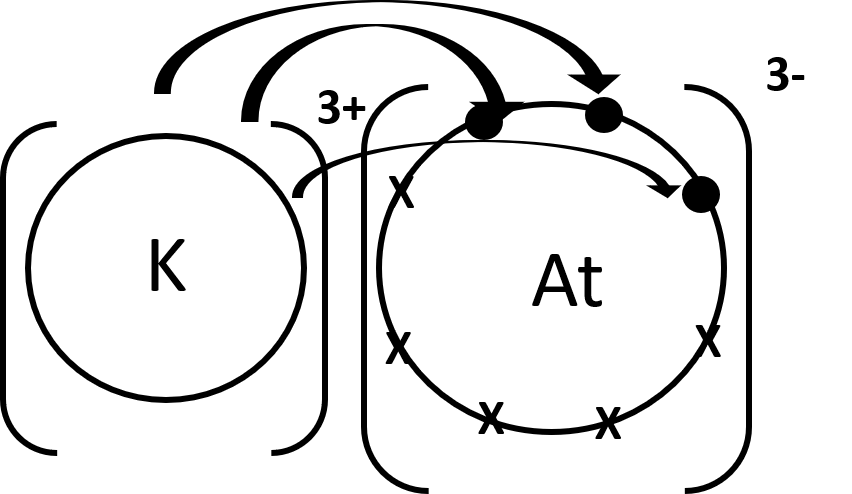
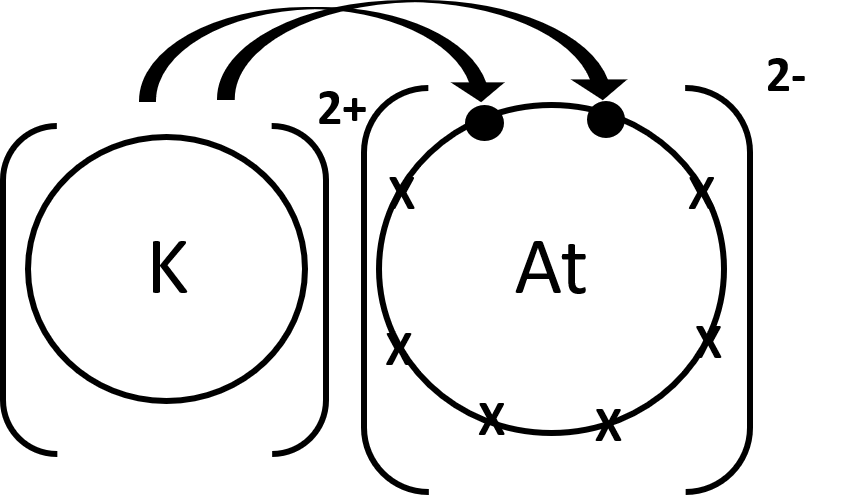
Question 37
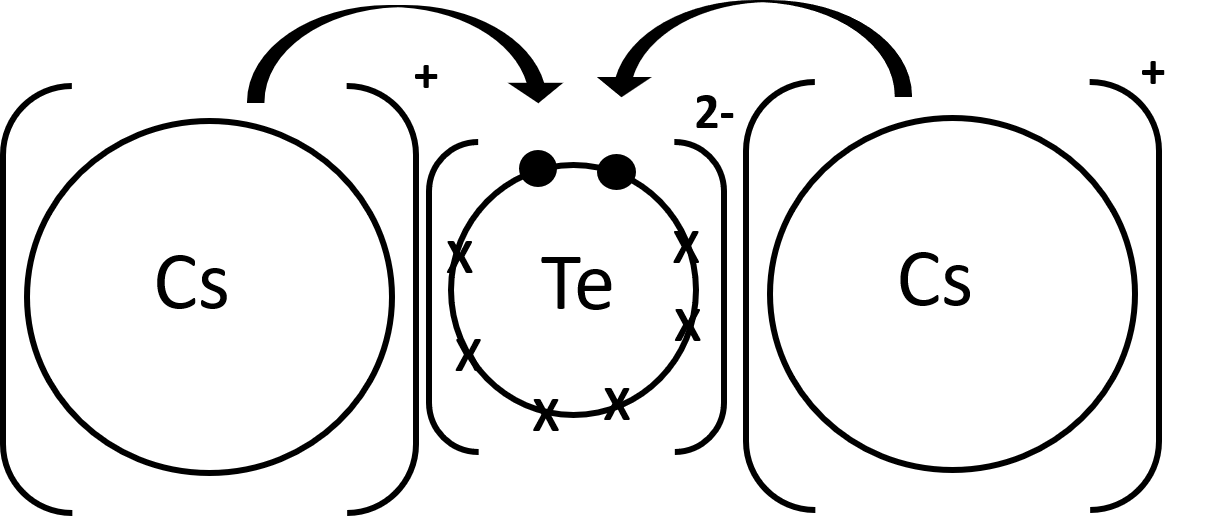
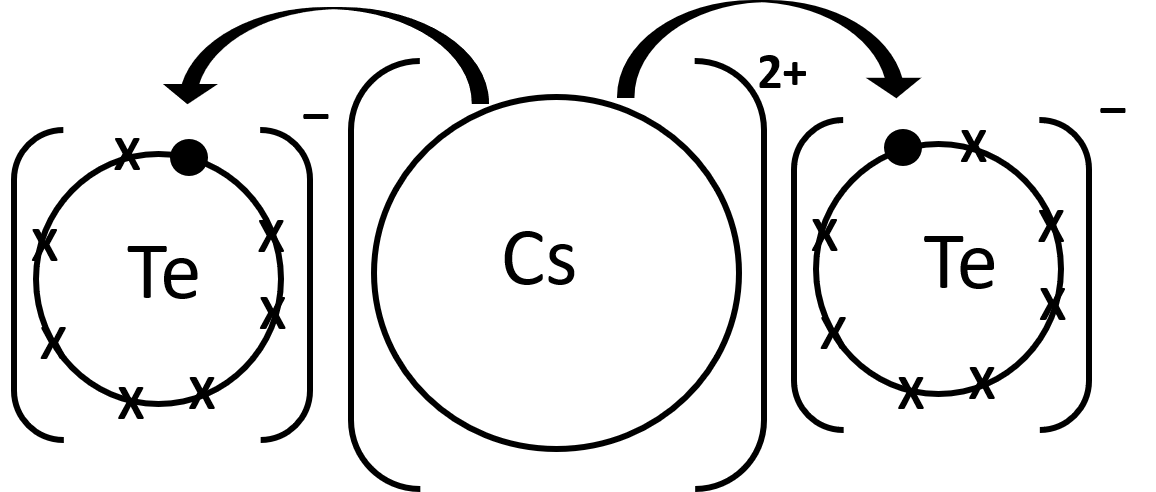
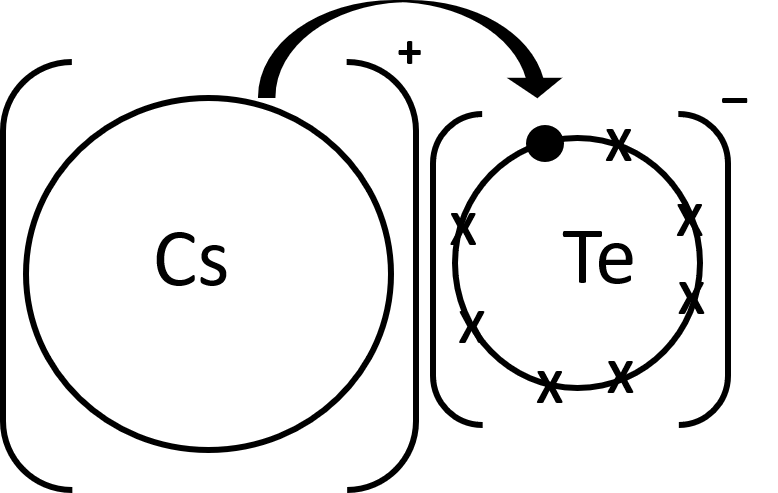
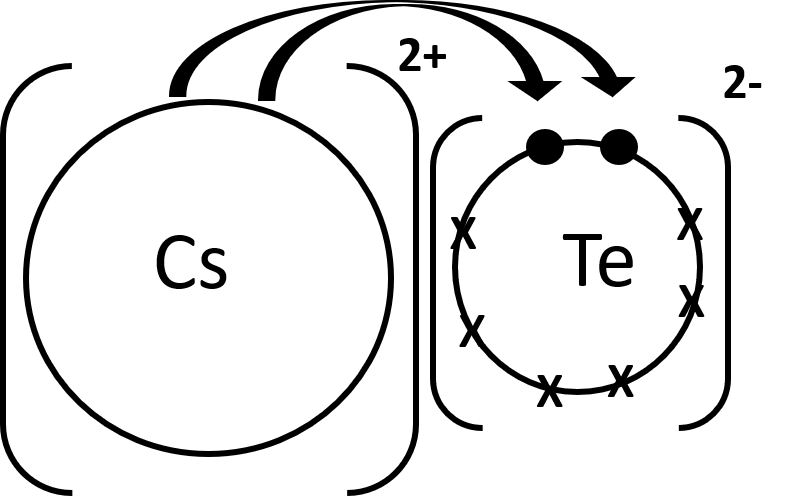
Which of these ionic bonding diagrams for caesium telluride is correct?
Question 38
Name this compound: NaOH (your spelling must be perfect)
Question 39
Name this compound: Sr(OH)2 (your spelling must be perfect)
Question 40
Name this compound: Al(NO3)3 (your spelling must be perfect)
Question 41
Name this compound: FrNO3 (your spelling must be perfect)
Question 42
Name this compound: CaCO3 (your spelling must be perfect)
Question 43
Name this compound: (NH4)2CO3 (your spelling must be perfect)
Question 44
Name this compound: (NH4)2SO4 (your spelling must be perfect)
Question 45
Name this compound: Ga2(SO4)3
Question 46
Which of these correctly describes the force holding ions together in a giant ionic structure?
Question 47
What do we call free electrons in a covalent/metallic structure?
Question 48
Which of these is not a use of fullerenes?
Question 49
Which of these compounds exist as ionic structures?
Question 50
Which of these compounds exist as covalent structures?
Question 51
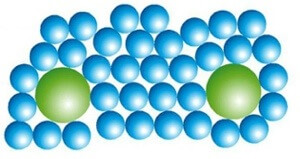
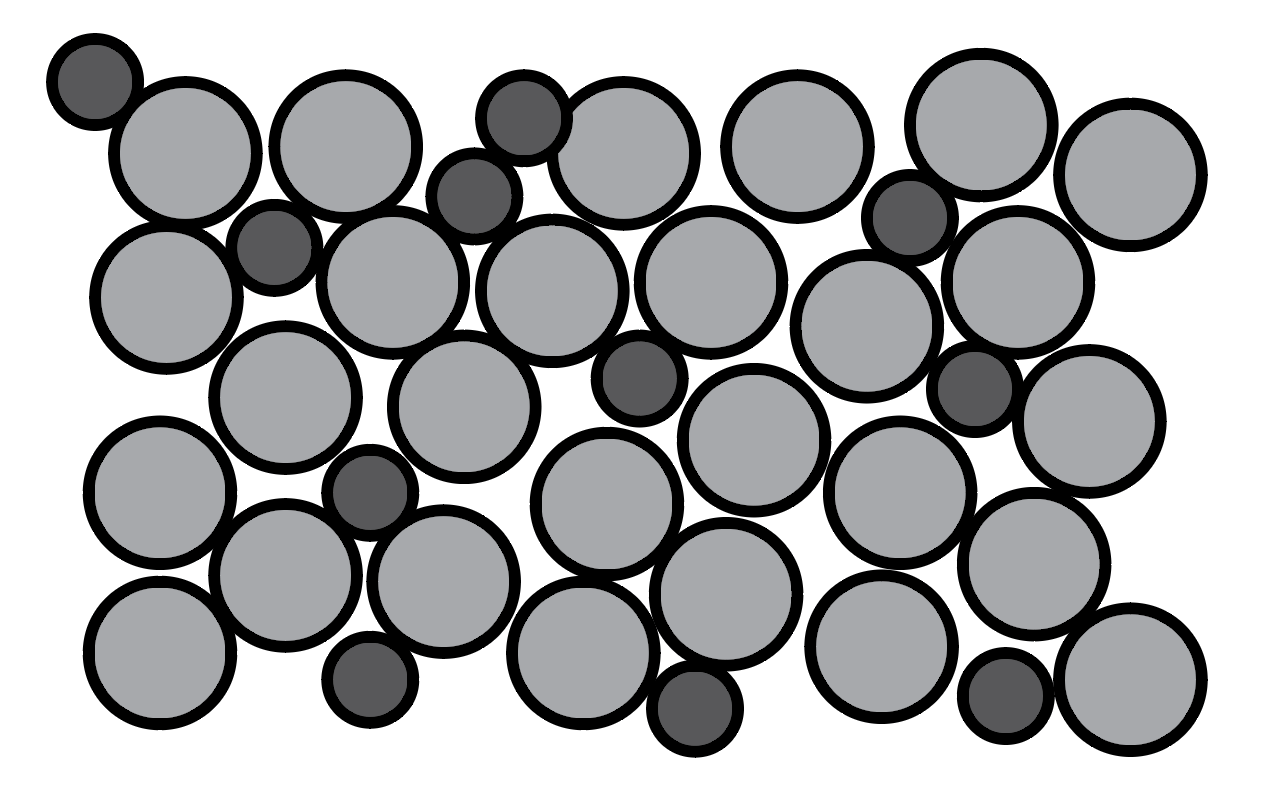
Which of these compounds exist as a metal structure?
Question 52
Which of these properties of pure metals allow them to be very malleable?
Question 53
Which of these is a pure metal?
Question 54
Which of these is a simple covalent molecular substance (not giant covalent structure)
Question 55
Which of these is a simple covalent molecular substance (not giant covalent structure)
Question 56
Why do simple molecular substances have low melting and boiling points?
Question 57
Which of these is a property of silica? (silicon dioxide)
Question 58
Which of these elements are noble gases?
Question 59
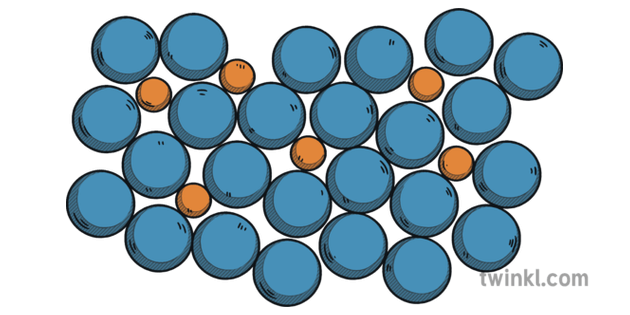
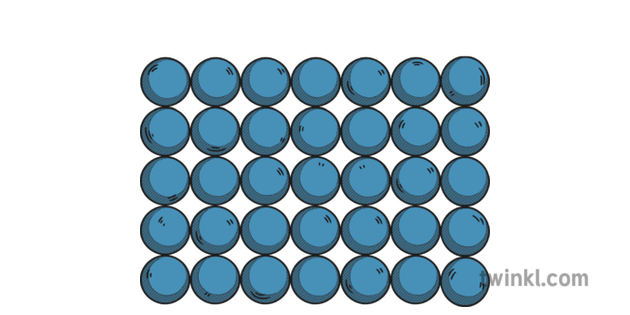
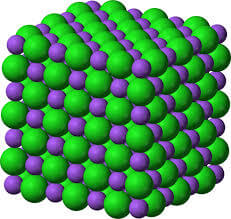
What kind of structure is shown?
Question 60
Why can molten/dissolved sodium chloride conduct electricity, but solid sodium chloride can't?