Newton's Laws and Forces

Question 1
"Mass does not have a direct effect on the force needed to move an object."
True
False
Question 2
Objects of ___________ mass have a greater acceleration when the same net force acts on them.
greater
smaller
equal
Question 3
How much net force is needed to accelerate a 10 kg object with ? Just give the numerical answer without adding the unit N for Newton.
Question 4
If you need 150 N to accelerate an object with , what is then the mass in kg of that object?
Question 5
The state when an object is either at rest or moves with a constant velocity is called ".... equilibrium".
Question 6
Newton's first law of motion is also called "The law of ...."
Question 7
What is the fundamental unit of force?
kg . s / m^2
kg . s^2 / m
kg . m / s^2
None of the above
Question 8
Which description states Newton's first law best?
An object at rest wants to stay at rest and an object in motion wants to stay in motion.
In an inertial reference frame, an object in translational equilibrium (a=0) will stay in this state unless a (non-zero) external force acts on it
An object in translational equilibrium (𝑎=0) will stay in this state
In an inertial reference frame, an object in translational equilibrium will stay in this state
Question 9
In which of the following situation(s) is the net force equal to zero?
A ball is rolling on the table with constant velocity.
A ball is thrown in the air.
A car slows down.
You are sitting still in your chair.
Question 10
A 10 kg block is pushed across a horizontal surface with a horizontal force of 20 N against a friction force of 10 N. The acceleration of the block in meters per second per second is ...
1
5
2
10
Question 11
Which concept is related to "inertia" = the ability of an object to resist a change in motion?
Mass
Weight
Question 12
g stand for "free fall acceleration" but it can also be ... ... ... (3 words - no caps - no spelling mistakes)
Question 13
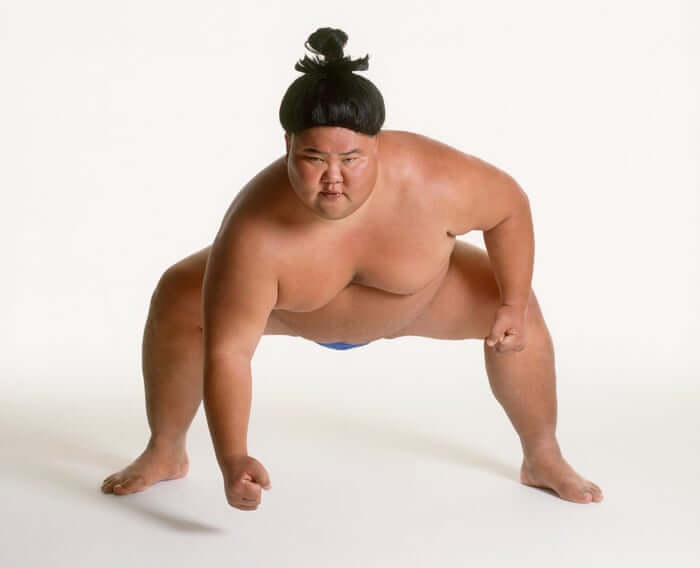
How much does a 100 kg sumo wrestler weigh on Jupiter where g = 25 N/kg?
4 N
4 kg
2500 N
2500 kg
Question 14
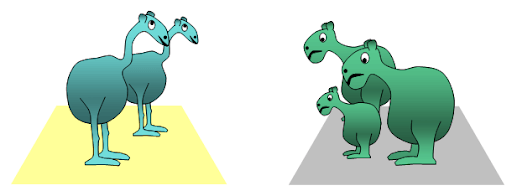
There are two planets, a yellow one and a grey one where aliens live. On which planet do you think would the gravitational field strength be highest?
Yellow planet
Grey planet
The same on both
You can't know this from this image
Question 15
g on Earth is 9.8 N/kg and g on mars is approximately 3.8 N/kg. Using the same "jumping force", where will it be easier for you to jump up straight in the air?
Earth
Mars
Question 16
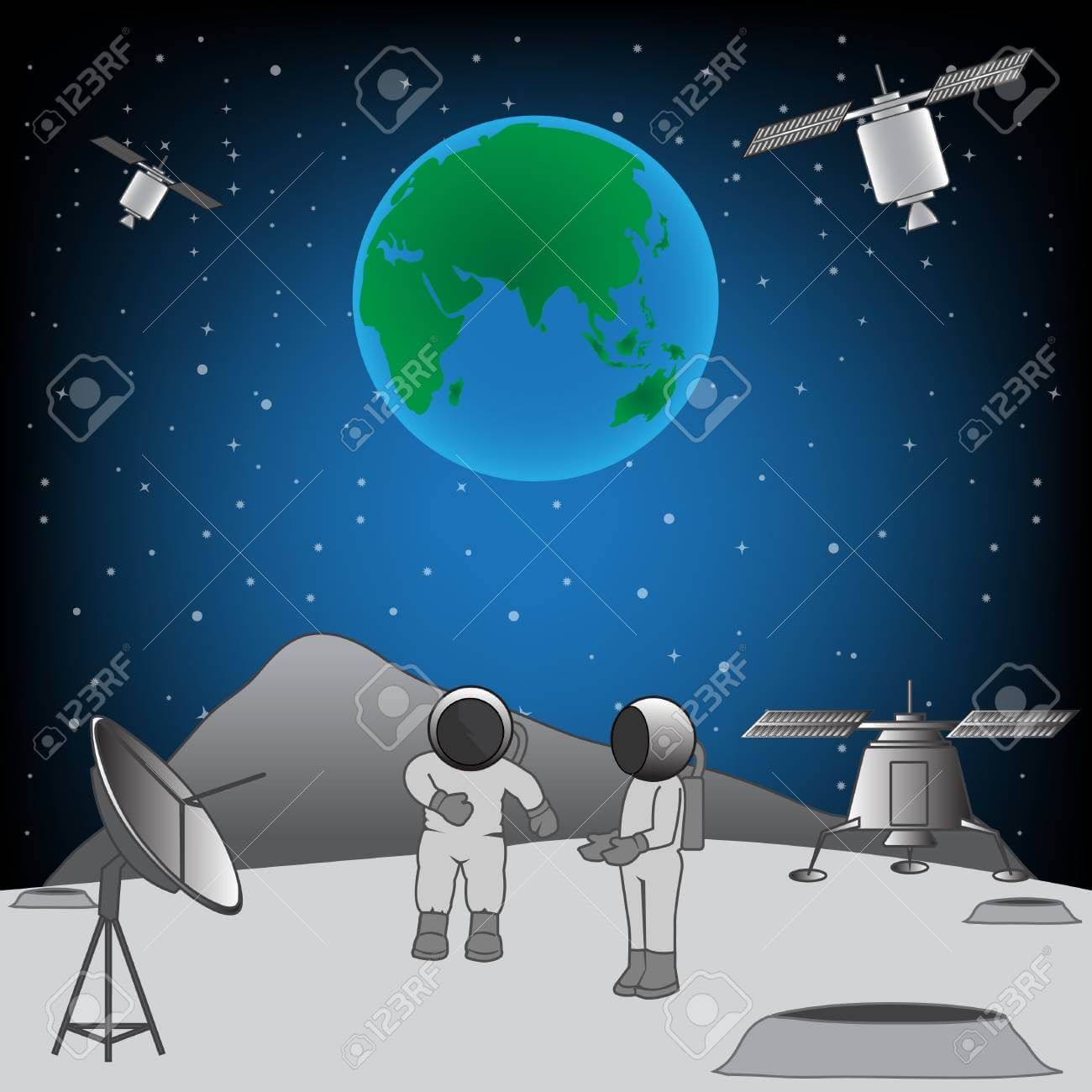
True or false? When you go to the moon, your mass doesn't change but you will feel lighter.
True
False
Question 17
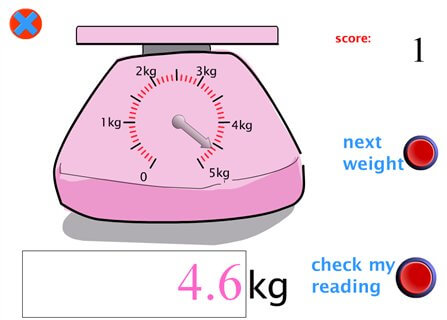
An object was weighed on Earth and the result was 4.6 kg. Then the object was taken on a space trip to mars. What would be the mass of the object there?
Question 18
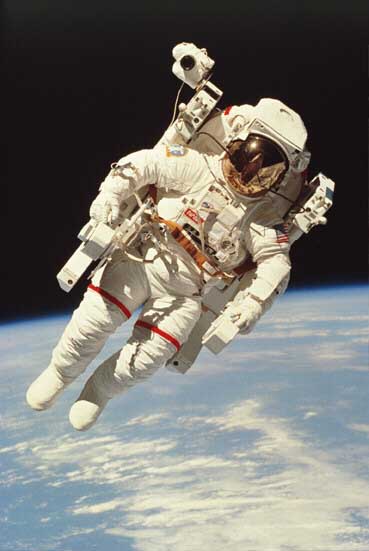
True or false? "You can never be weightless on Earth."
True
False