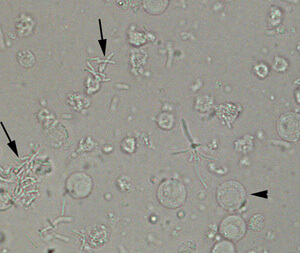
Diagnostics Review

Question 1
Identify the distribution shown.
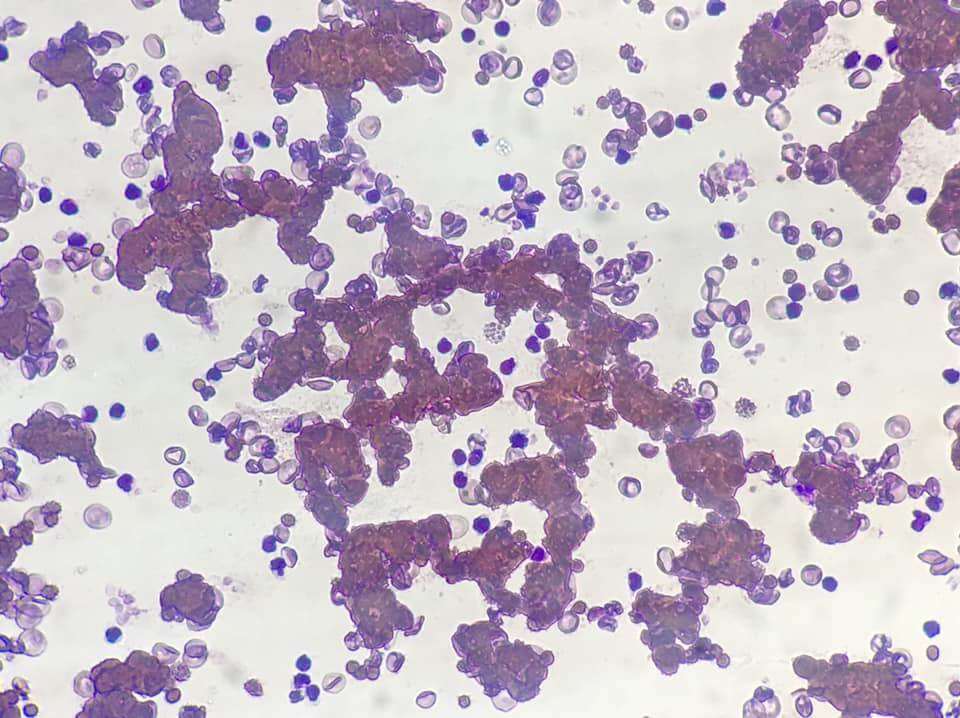
Question 2
Identify the inclusion found in the cell from a dog.
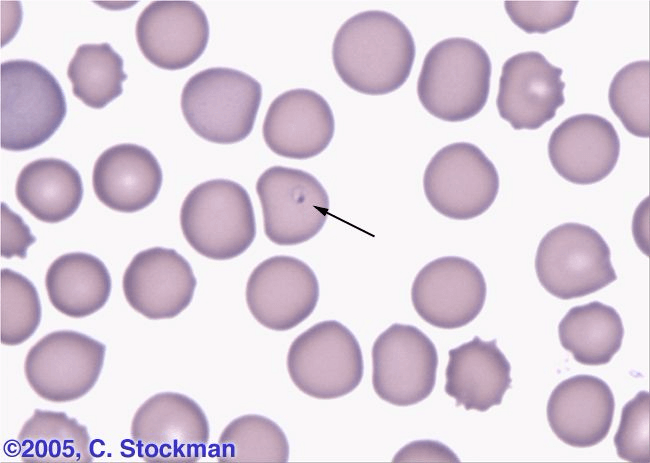
Question 3
Identify the cell
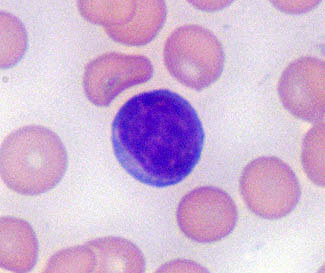
Question 4
Anaplasma and Ehrlichia belong to group of:
Question 5
Identify the cellular inclusion in a dog
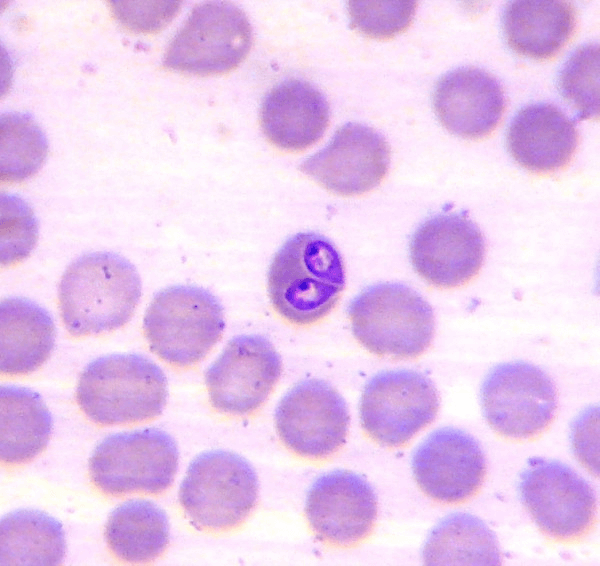
Question 6
Identify the inclusion in a feline.
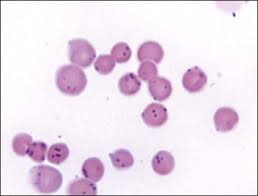
Question 7
Which one of these is not an indication of regenerative anemia?
Question 8
A decrease in the MCV should show up as what on a blood smear?
Question 9
Identify the inclusion on the RBCs in a dog.
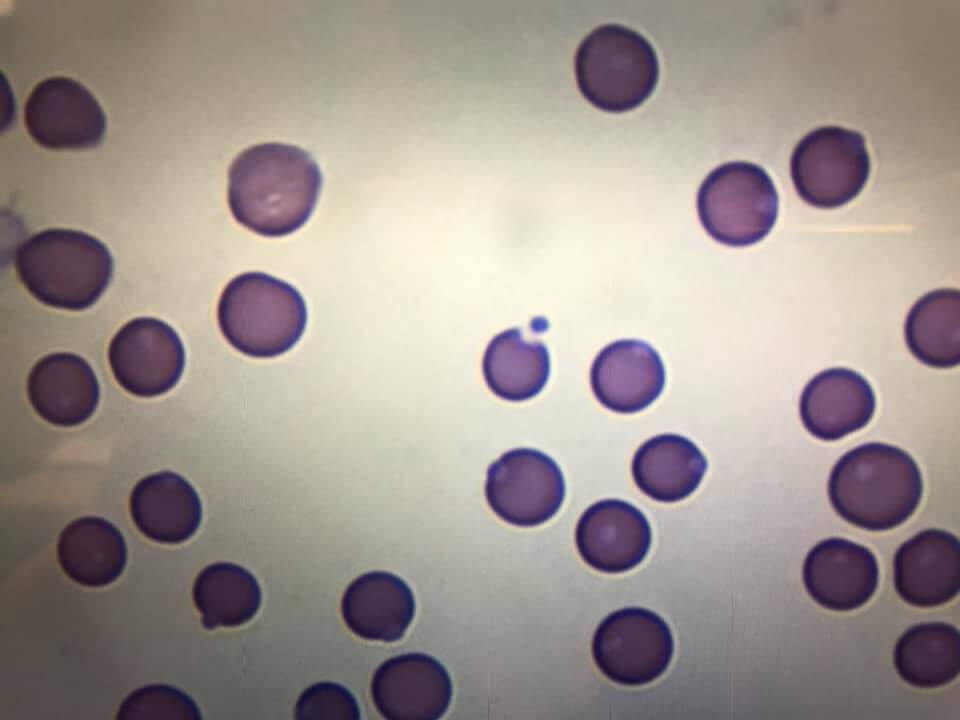
Question 10
Identify the cell
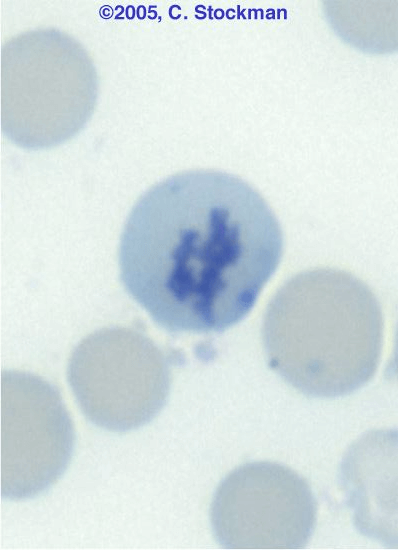
Question 11
A infestation of lice is given the term of:
Question 12
To perform a reticulocyte count, how many RBCs do you count?
Question 13
MCHC is a measurement of:
Question 14
The device used to do a manual cell count is:
Question 15
What parasite is affected by EDTA and will fall off the cell?
Question 16
The Modified Knott's technique is used for:
Question 17
Identify the cell shape.
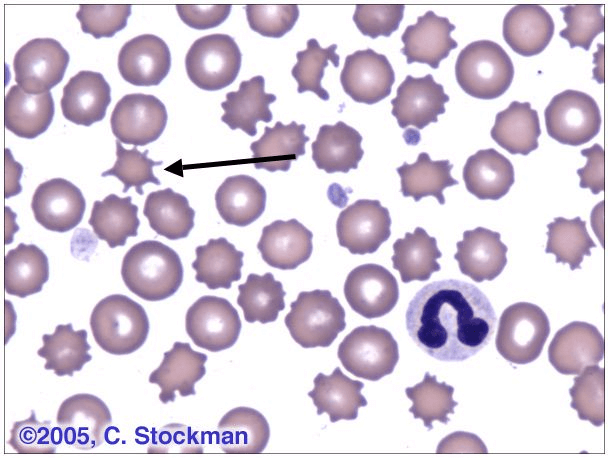
Question 18
Identify the cell shape.
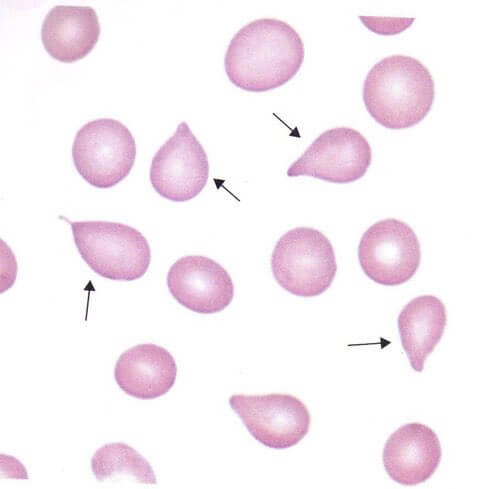
Question 19
Identify the cellular inclusions.
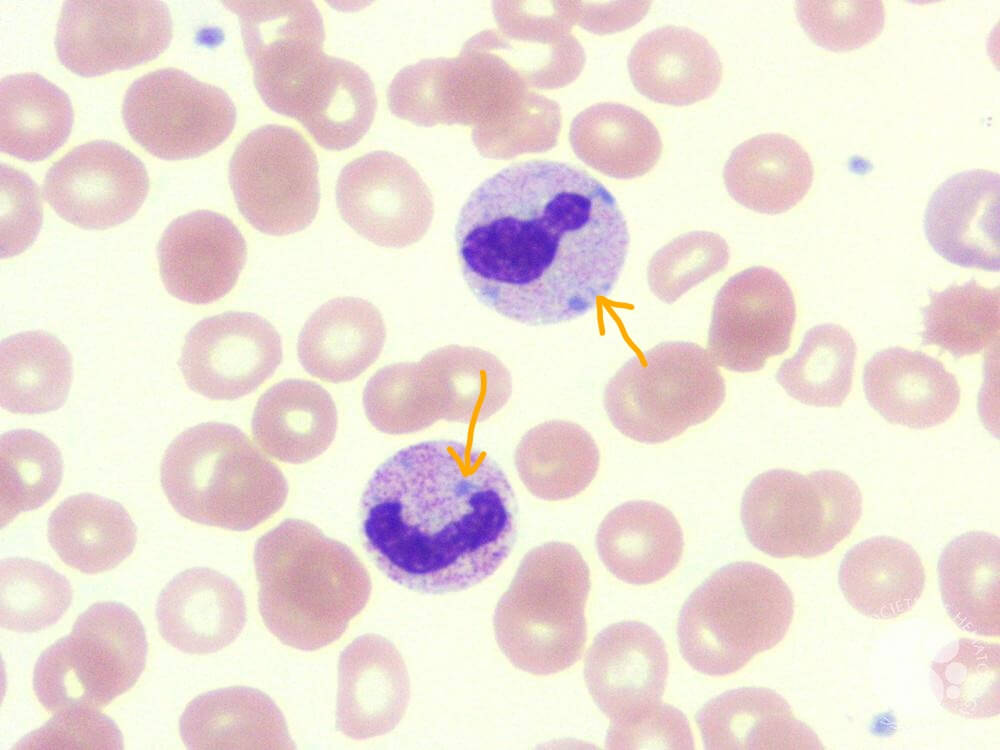
Question 20
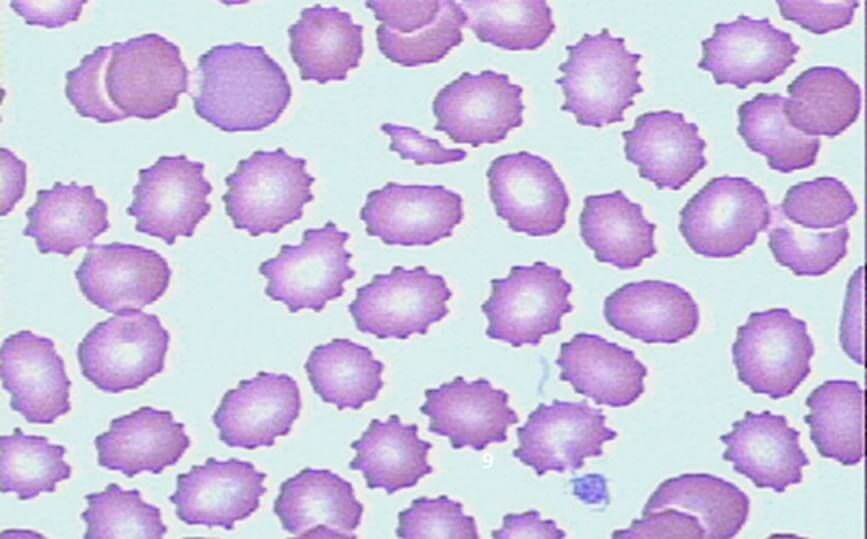
Identify the main cell shape change.
Question 21
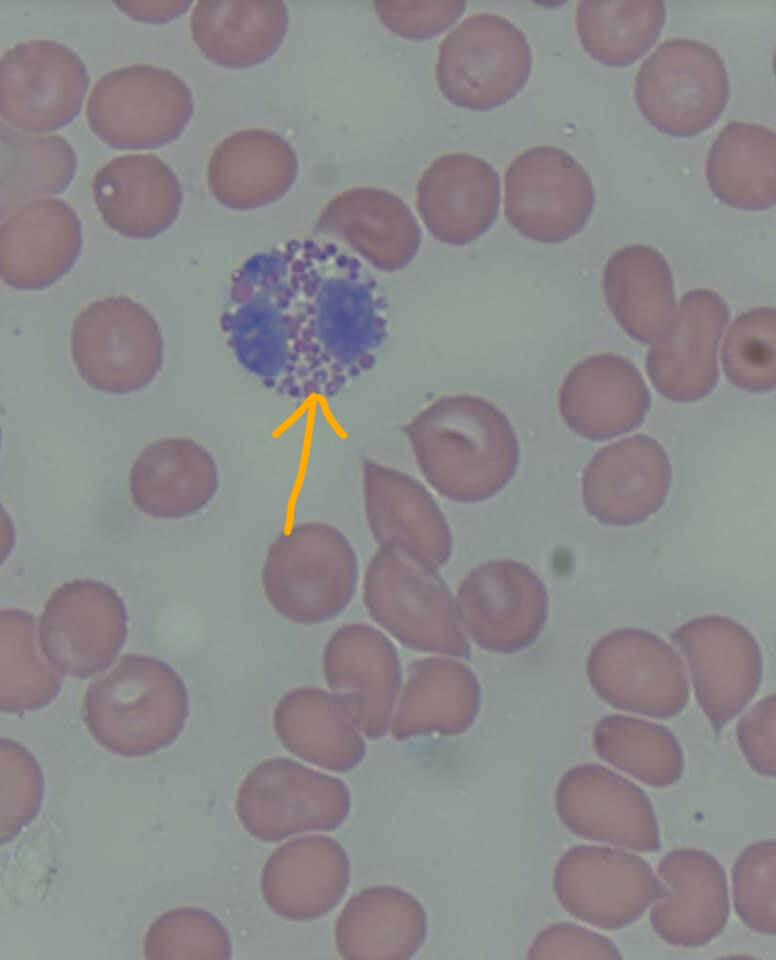
Identify the cell indicated by the arrow.
Question 22
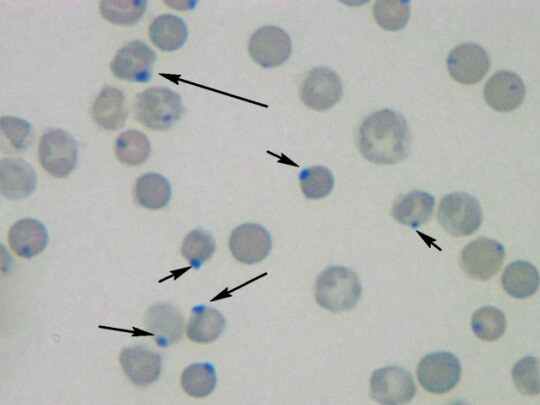
Identify the cellular inclusion.
Question 23
Question 24
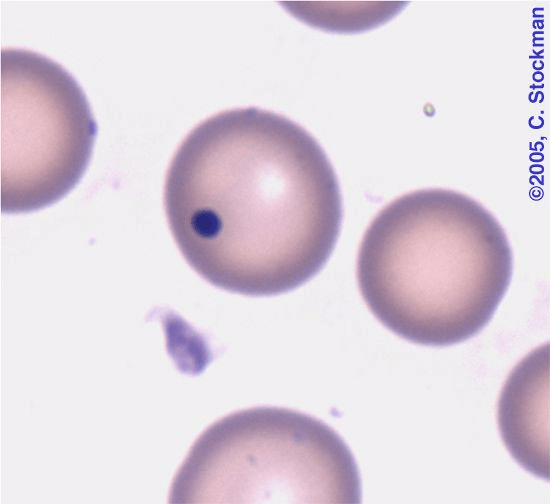
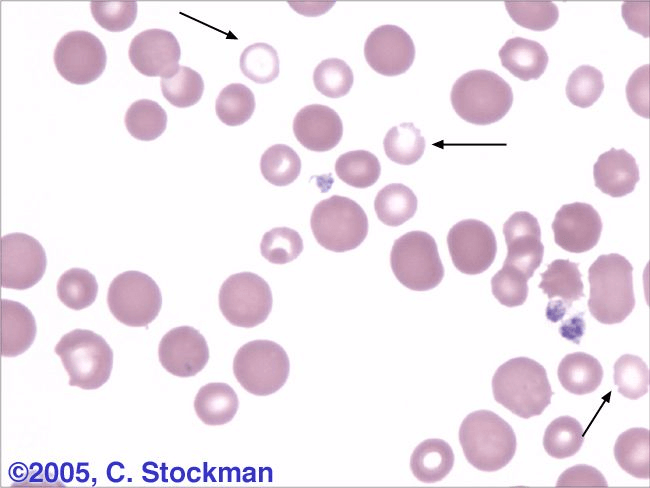
Classify the cells indicated by the arrows.
Question 25
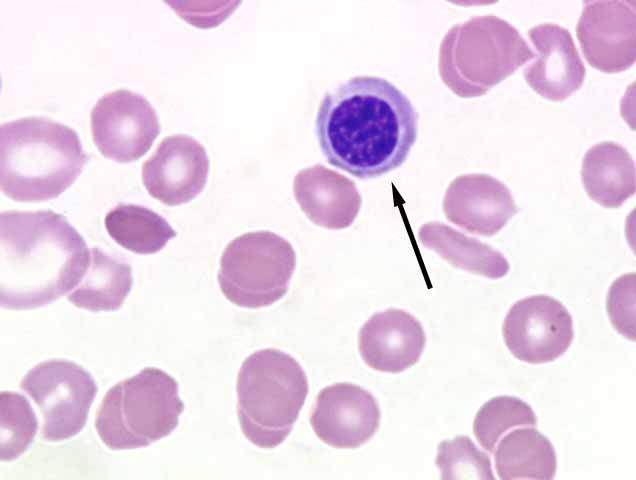
Identify the cell.
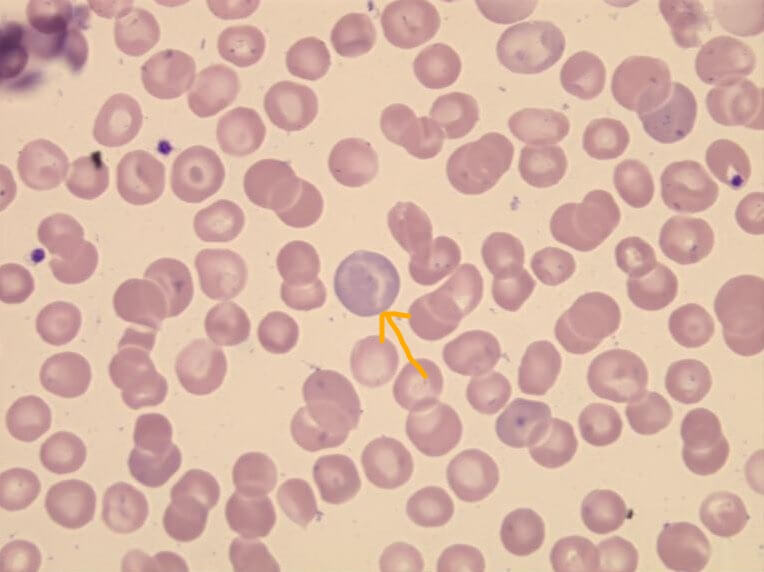
Question 26
Question 27
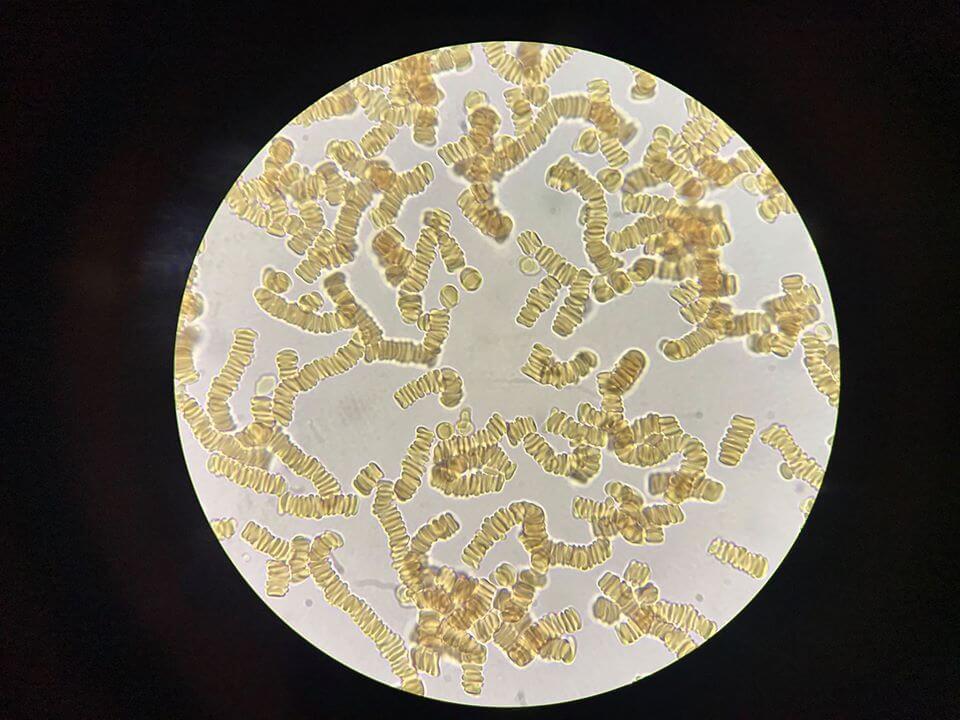
Identify the distribution
Question 28
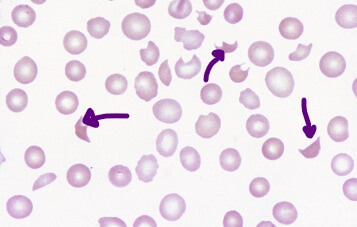
Identify the cell shape.
Question 29
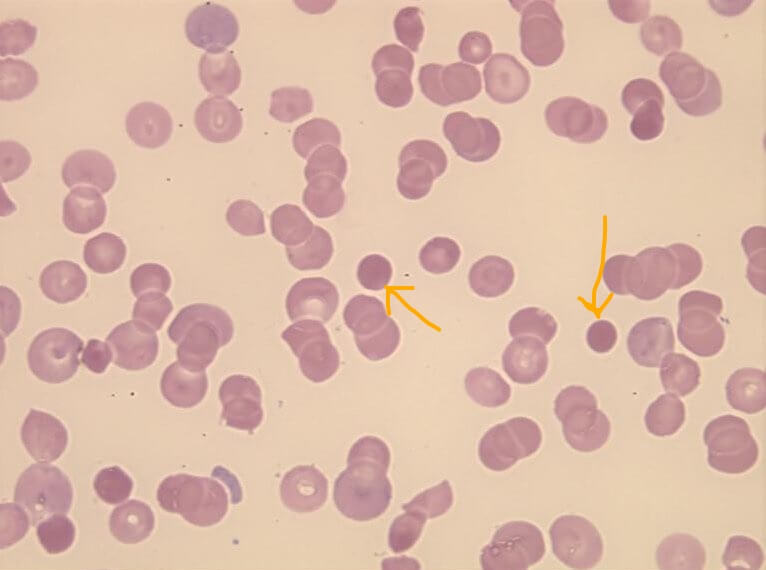
Identify the cell shape indicated by the arrows.
Question 30
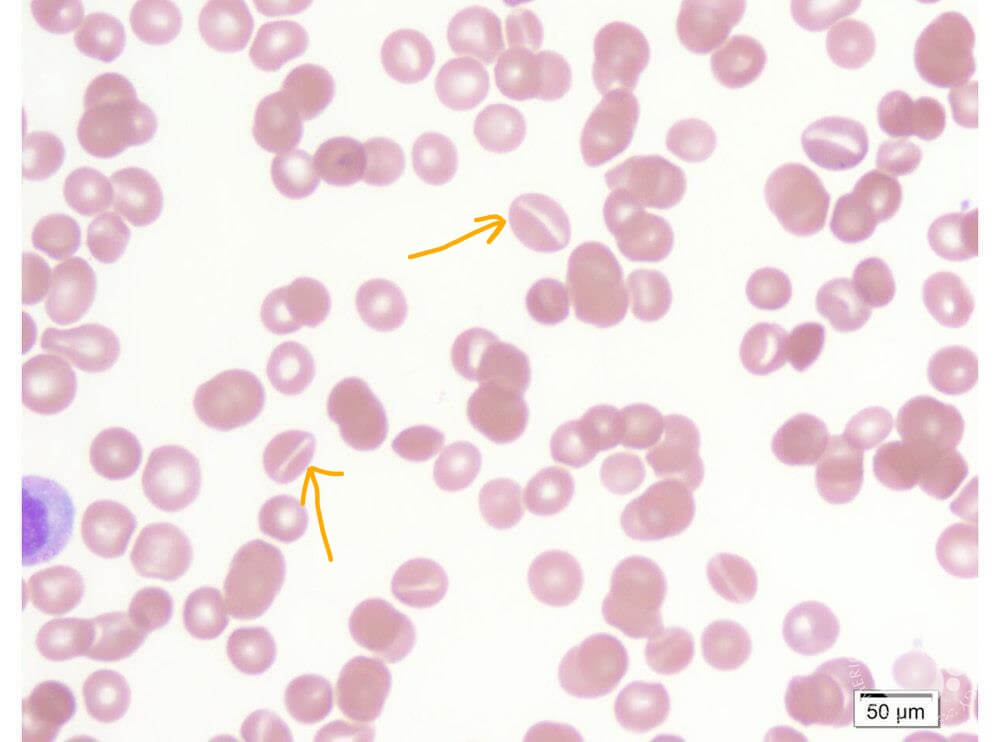
Identify the cell shape indicated by the arrows.
Question 31
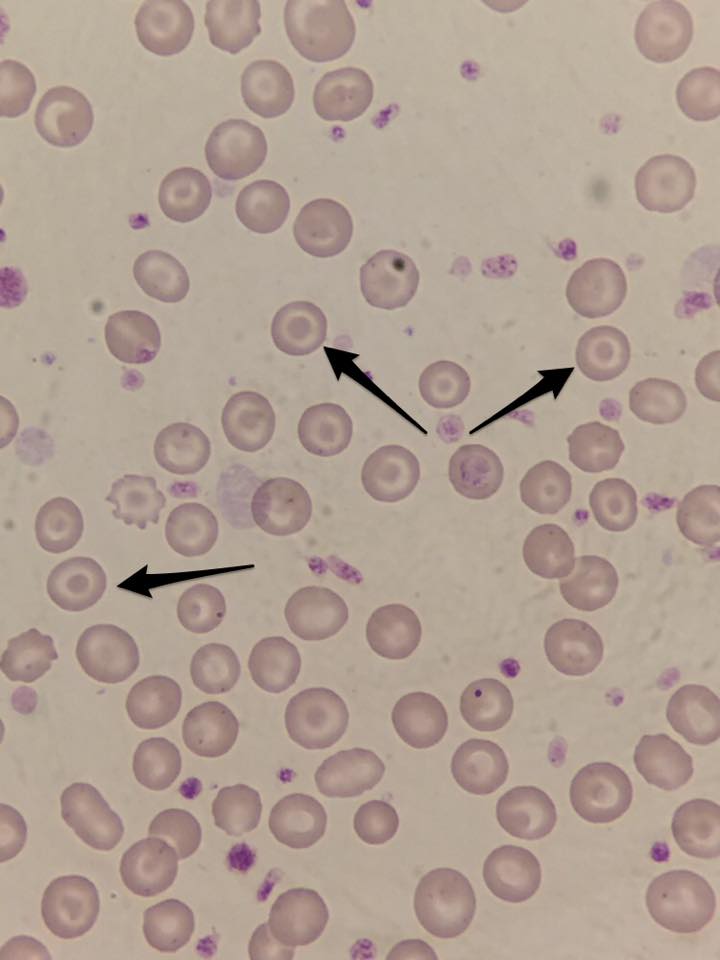
Identify the cell shape indicated by the arrows.
Question 32
Identify the cell.
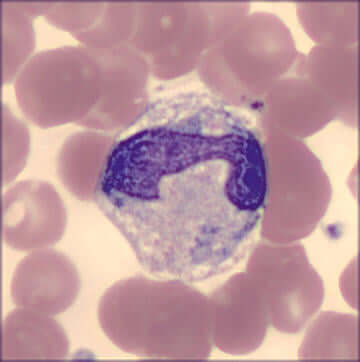
Question 33
Identify the inclusion in urine.
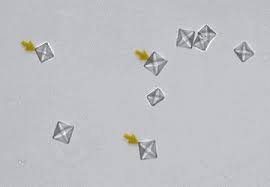
Question 34
Identify the inclusion in urine.
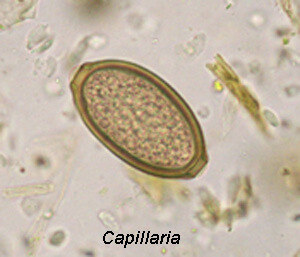
Question 35
Identify the inclusion in urine
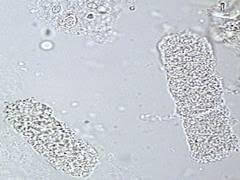
Question 36
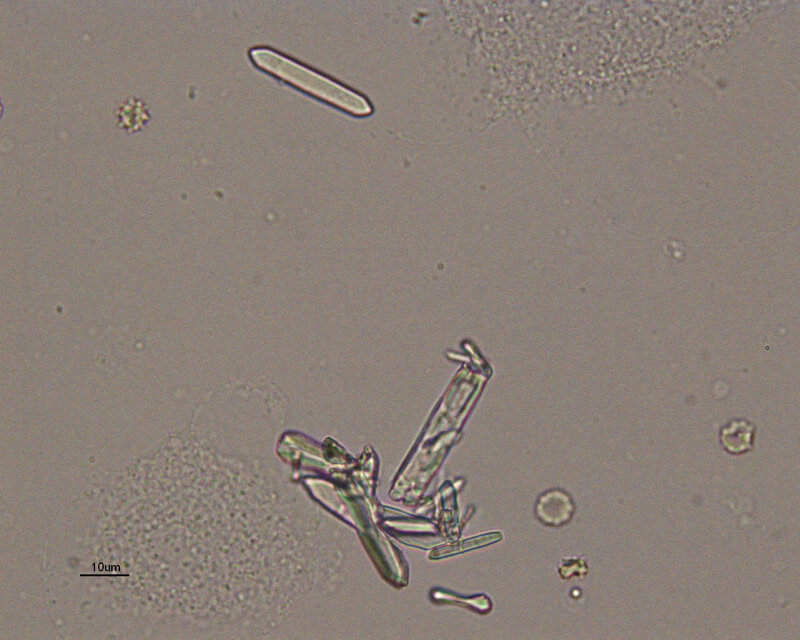
Identify the main urinary inclusion.
Question 37
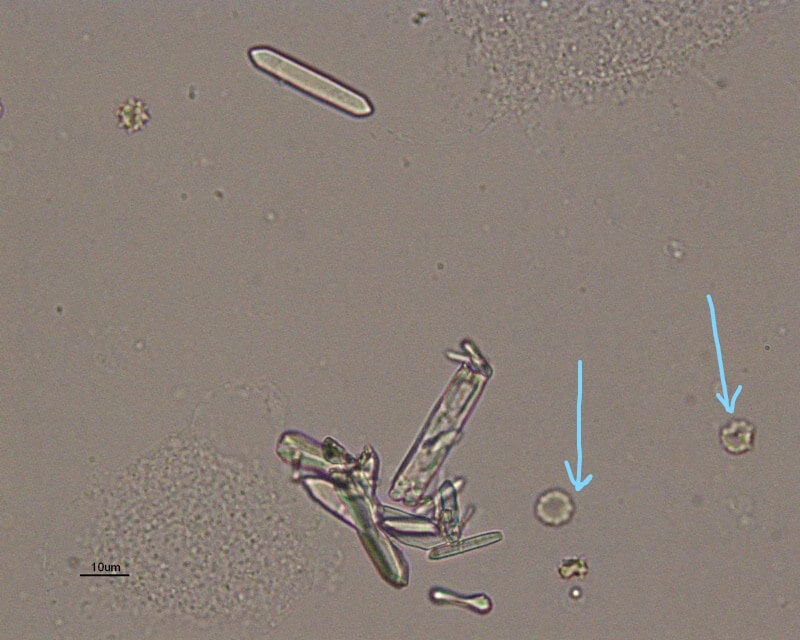
Identify the urinary inclusion indicated by the arrows.
Question 38
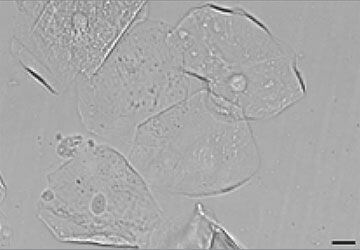
Identify the urinary inclusion.
Question 39
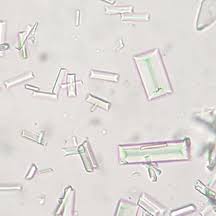
Identify the urinary inclusion.
Question 40
Identify the urinary inclusion
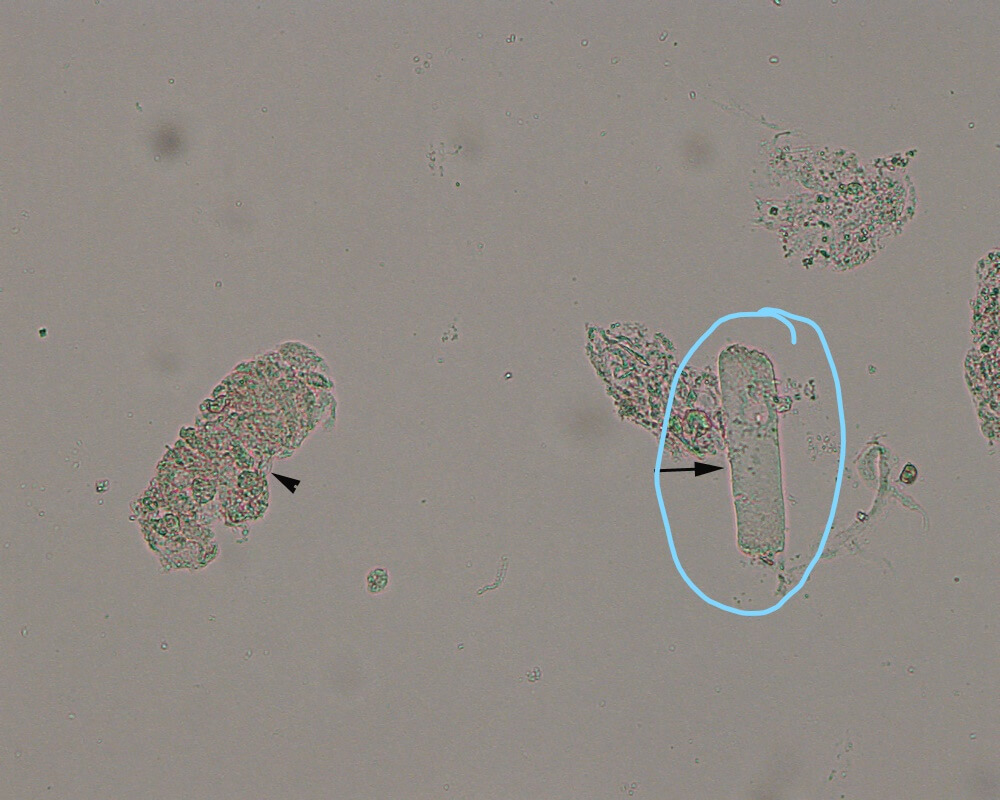
Question 41
Identify the urinary inclusion indicated by the arrows.