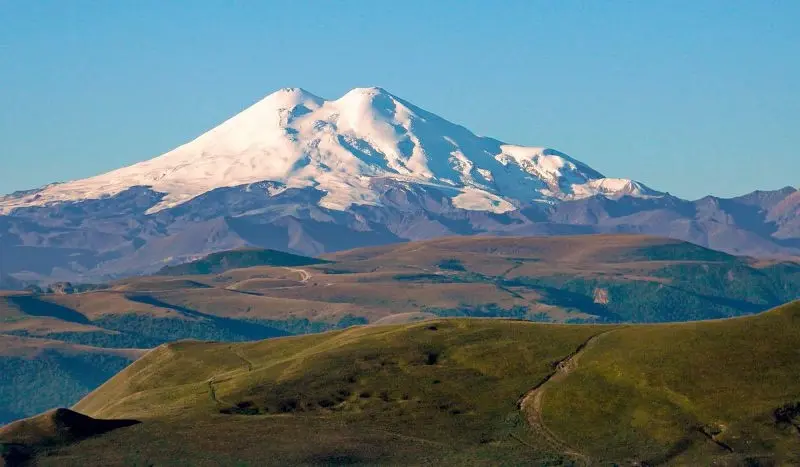
Landforms
5th grade landforms
[Deleted Account]
•almost 7 years agoQuestion 1
What makes landforms?
Question 2
Which of these is an example of weathering?
Question 3
Which of these is an example of deposition?
Question 4
Which of these things erode the earth?
Question 5
All of the following are examples of land forms EXCEPT
Question 6
Which of these factors would not change the surface of the earth?
Question 7
A ____________ is a large flat area of land.
Question 8
A _____________ is a moving mass of ice.
Question 9
In the spring, rocks often fall onto mountain roads, why?
Question 10
Landscape Arch in Arches National Park had to be closed to visitors hiking near the base. How could an arch become dangerous?
Question 11
Many valleys in Northern Utah are U-shaped which shows a glacier carved them. How long does it take a glacier to carve a valley?
Question 12
How do volcanoes, earthquakes, and uplift affect Earth's Surface? They create...