Macromolecules and Water
[Deleted Account]
•about 7 years agoQuestion 1
A cell nucleus sends out molecules that carry instructions for protein synthesis. What is the destination of these molecules?
Question 2
Which organic molecule is part of an enzyme?
Question 3
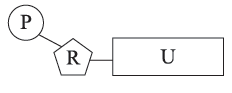
What does the letter U represent in this nucleotide?
Question 4
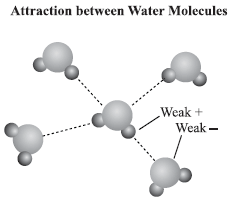
Which property of water is shown below?
Question 5
What is the primary difference between diffusion and osmosis?
Question 6
When an animal has to survive without food for a long time, it will eventually break down proteins for energy. However, this process occurs only after exhausting the animal’s reserves of
Question 7
Complex molecules are broken down during cellular respiration and converted into smaller molecules containing energy. What are these complex molecules called?
Question 8
A person fills a drinking glass with water until the water is bulging slightly over the glass rim. The property of water that prevents the water from spilling is
Question 9
Which two transport mechanisms are considered to be passive?
Question 10
Which is a property of water?
Question 11
Which cellular structure produces proteins using coded instructions from DNA?
Question 12
While cleaning a saltwater aquarium, students placed the aquarium plants in a container of distilled water. What effect will this have on the plants?
Question 13
What would happen to a marine protozoan if removed from its normal habitat and placed into a freshwater pool?
Question 14
Which of the following statements concerning diffusion and active transport is correct?
Question 15
A person with swollen gums rinses his mouth with warm salt water, and the swelling decreases. Which has occurred?
Question 16
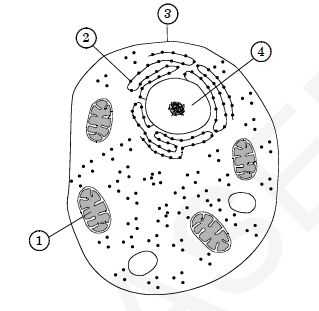
Which organelle is the site where amino acids are synthesized into proteins?
Question 17
RNA and DNA are which type of organic compound?
Question 18
Which is an example of osmosis?
Question 19
A sugar, a phosphate group, and a nitrogen base form the building blocks of which organic compound?
Question 20
Which of these substances moves across cell membranes by osmosis?
Question 21
A scientist removed the cell membranes from bacteria cells in a culture. She analyzed the cell membranes for specific molecules. Which of these was probably the most common type of molecule present in the bacteria cell membranes?
Question 22
Cells can be prokaryotic or eukaryotic. Which of the following structures is present in eukaryotic cells but NOT in prokaryotic cells?
Question 23
Mitochondria are organelles that break down glucose in the presence of oxygen to produce energy needed for cellular processes. Which of the following types of cells contain mitochondria?
Question 24
Substances cross the cell membrane through both passive and active transport. What is the main difference between passive and active transport?
Question 25
In the mid-nineteenth century, the discoveries of many scientists were combined to develop the modern cell theory. Which of the following statements is NOT part of the cell theory?
Question 26
Unlike animal cells, plant cells have a large central vacuole. How does a vacuole support plant structures?