533-4
Nautiloids, ammonoids and cephalopod evolution
[Deleted Account]
•about 7 years agoQuestion 1
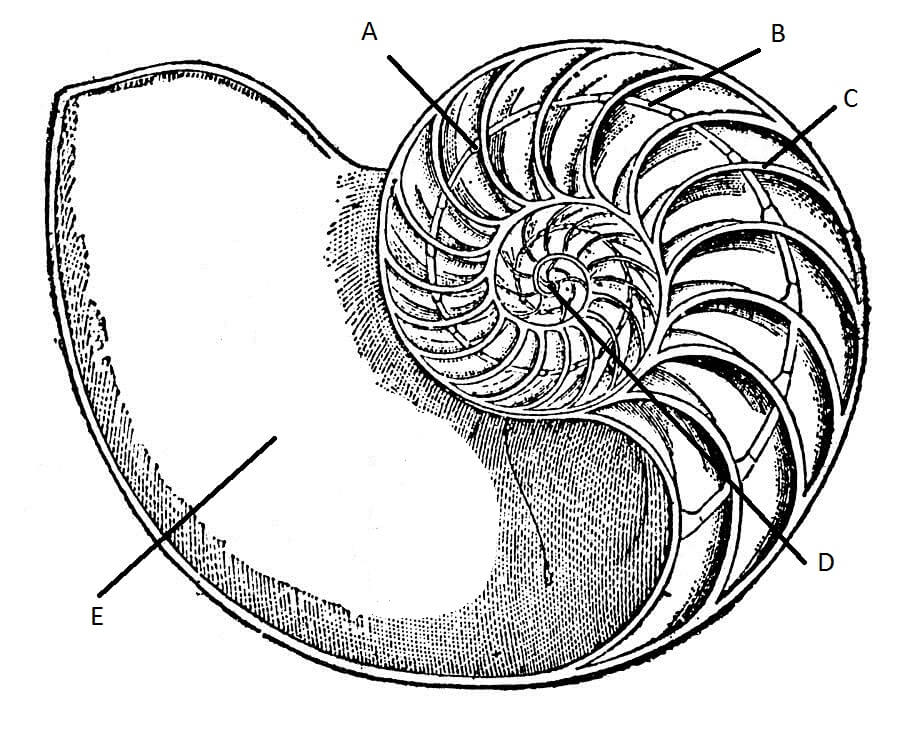
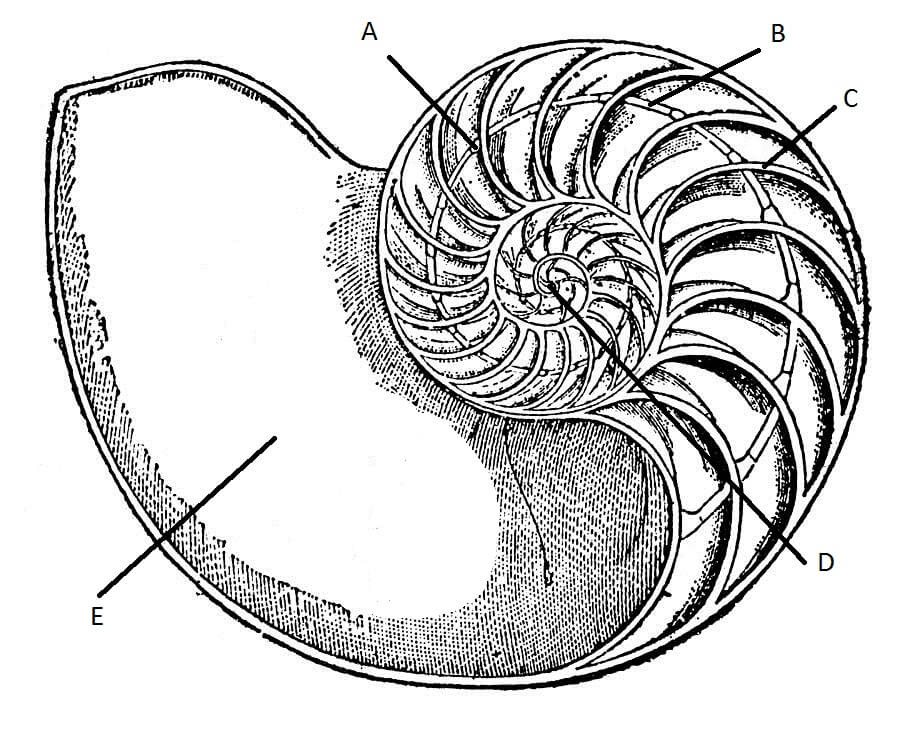
Which label represents the siphuncle?
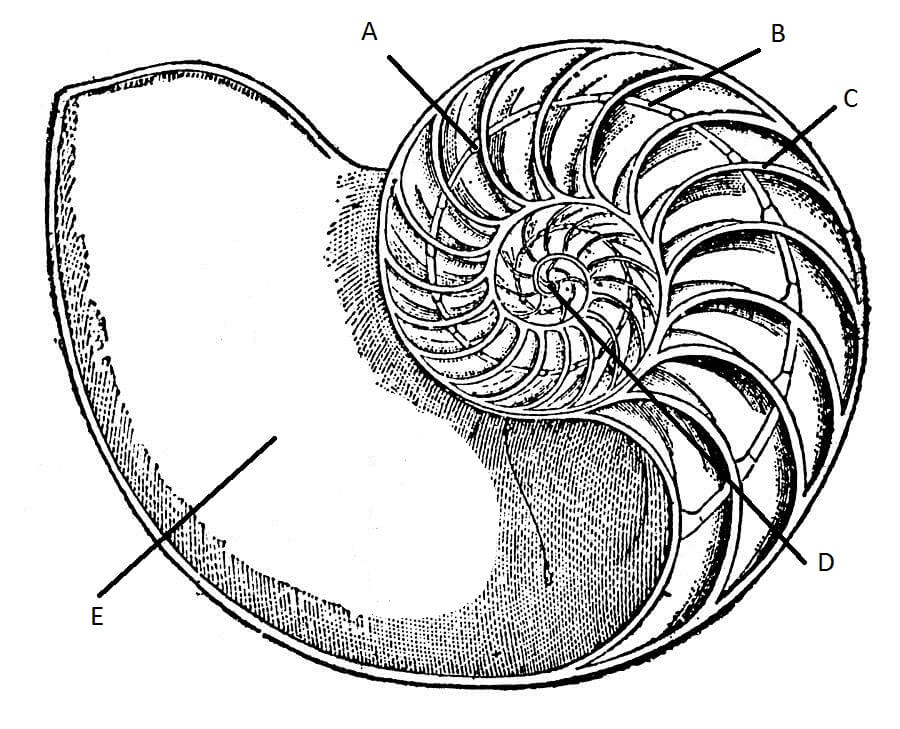
Question 2
Which label represents the chamber housing most of the soft tissue?
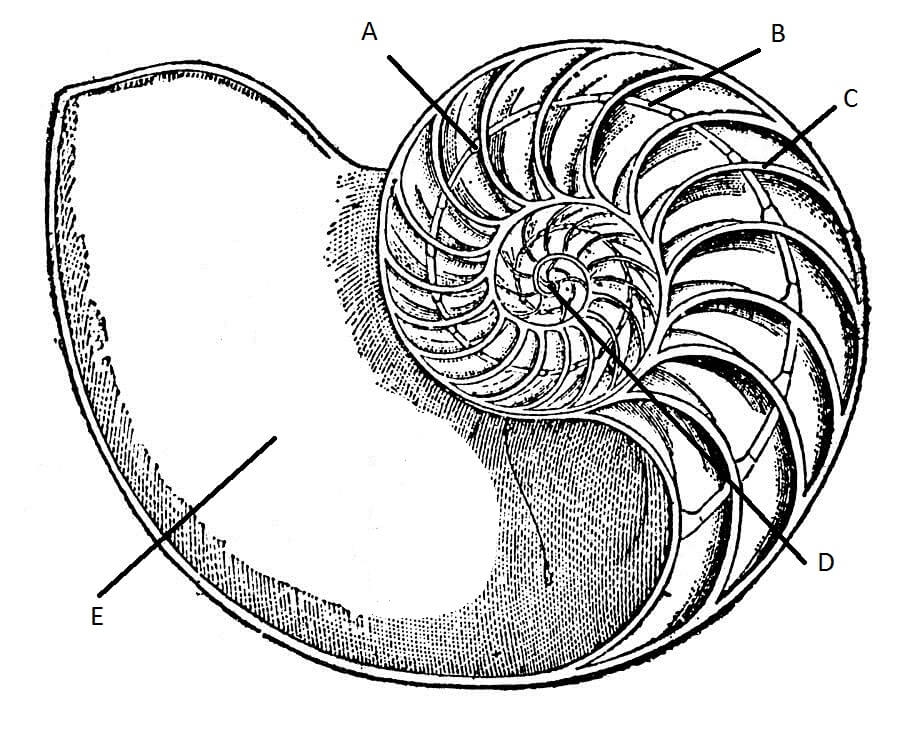
Question 3
Which label represents the feature which supports the siphuncle?
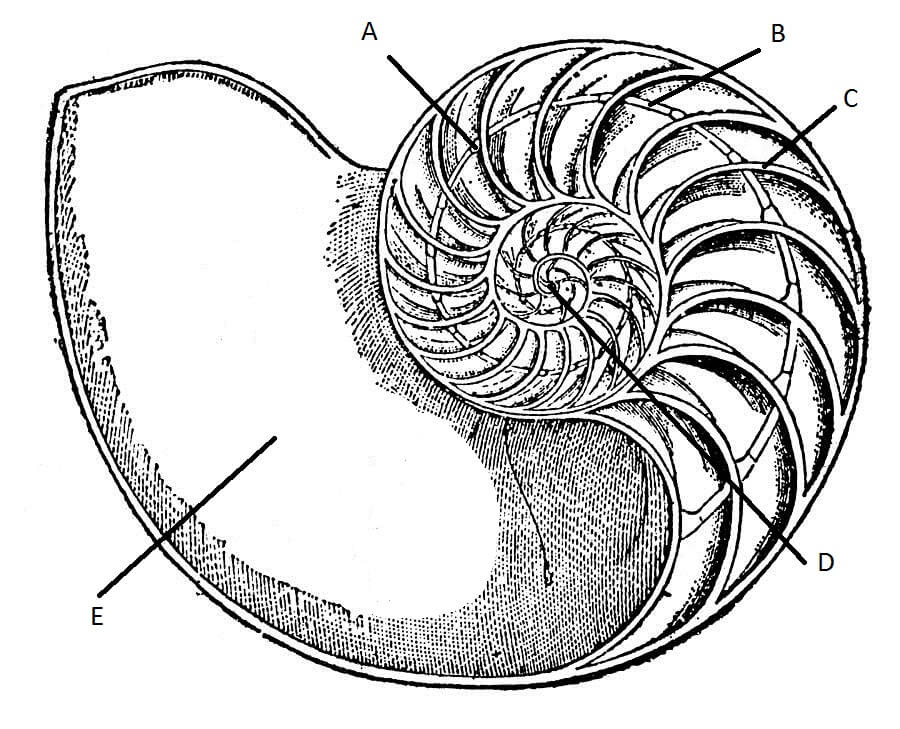
Question 4
Which label represents the protoconch?
Question 5
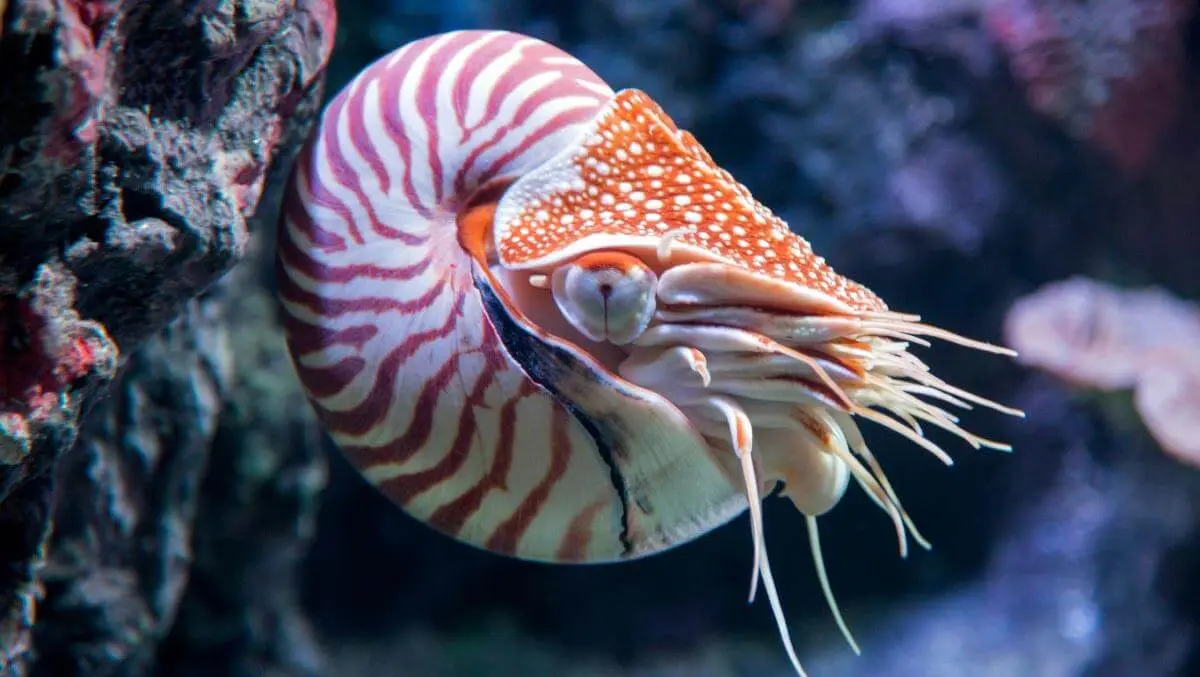
Which type of taxa do Nautiloids represent?
Question 6
Which label represents a wall sealing off each chamber?
Question 7
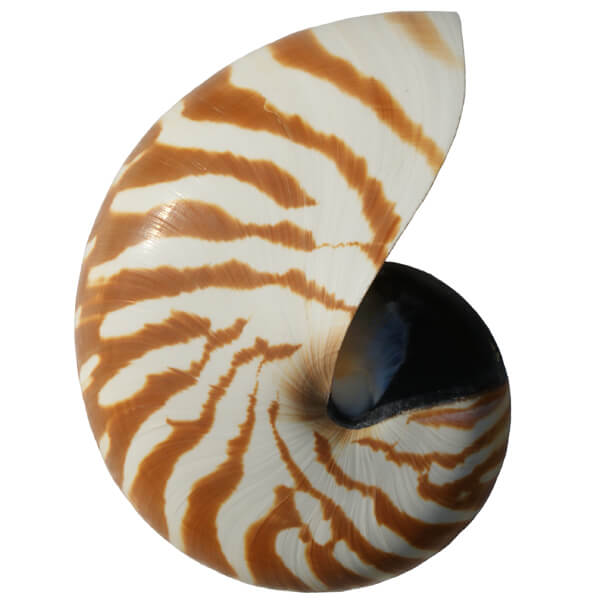
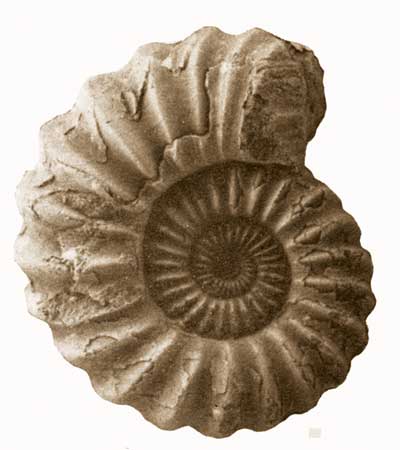
Which form of coiling does this cephalopod shell show?
Question 8
Which form of coiling does this cephalopod shell show?
Question 9
Which label represents the umbilicus?
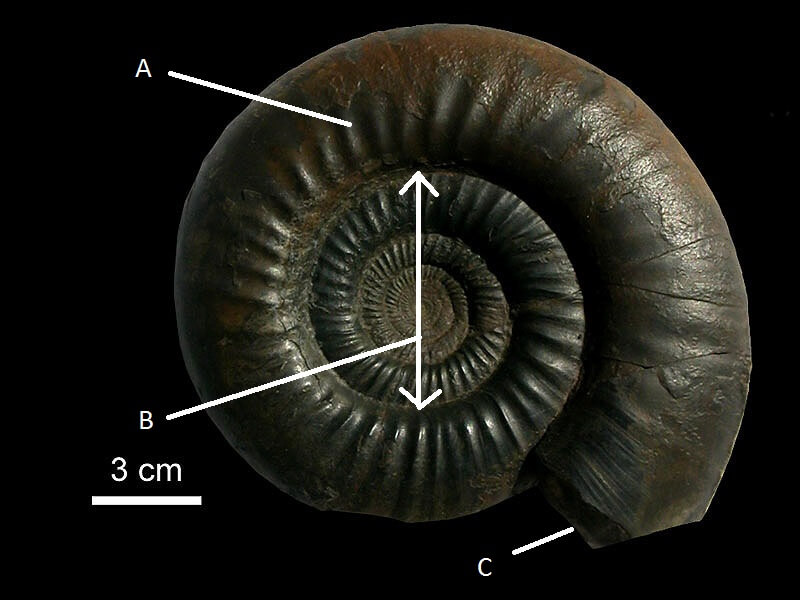
Question 10
Which label represents a feature used for strength and protection?
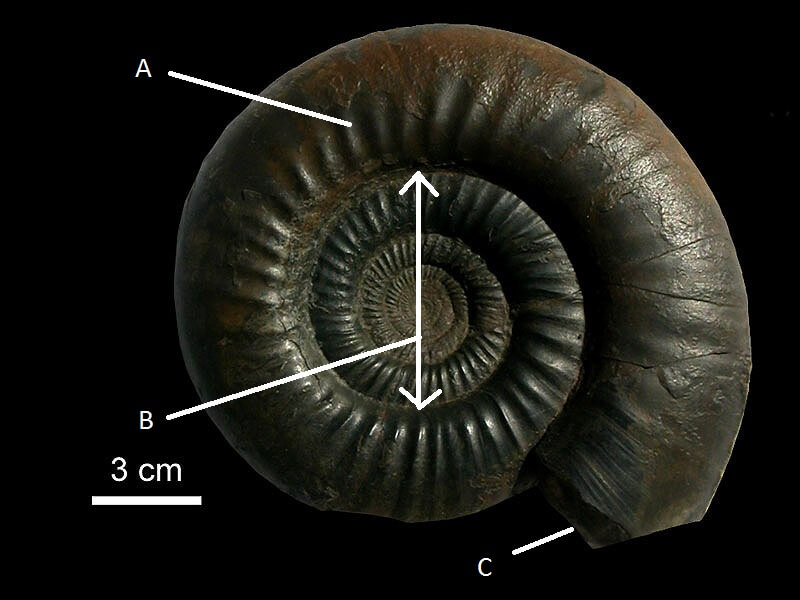
Question 11
Which label represents a projecting ridge which helped stabilise the ammonite during movement?
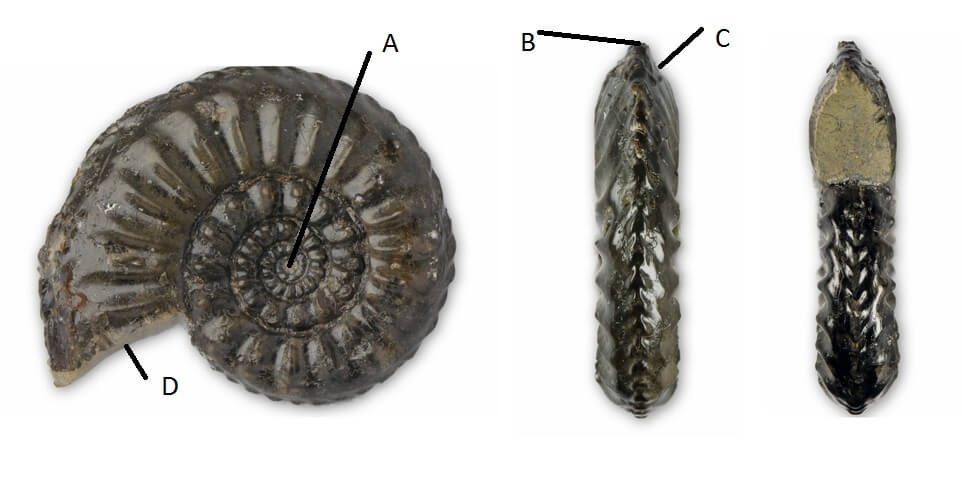
Question 12
Which label represents the sulcus?
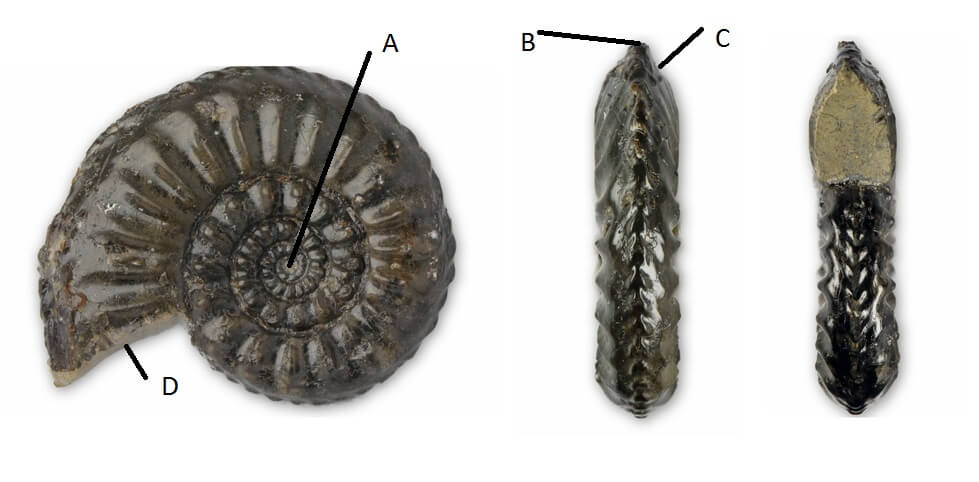
Question 13
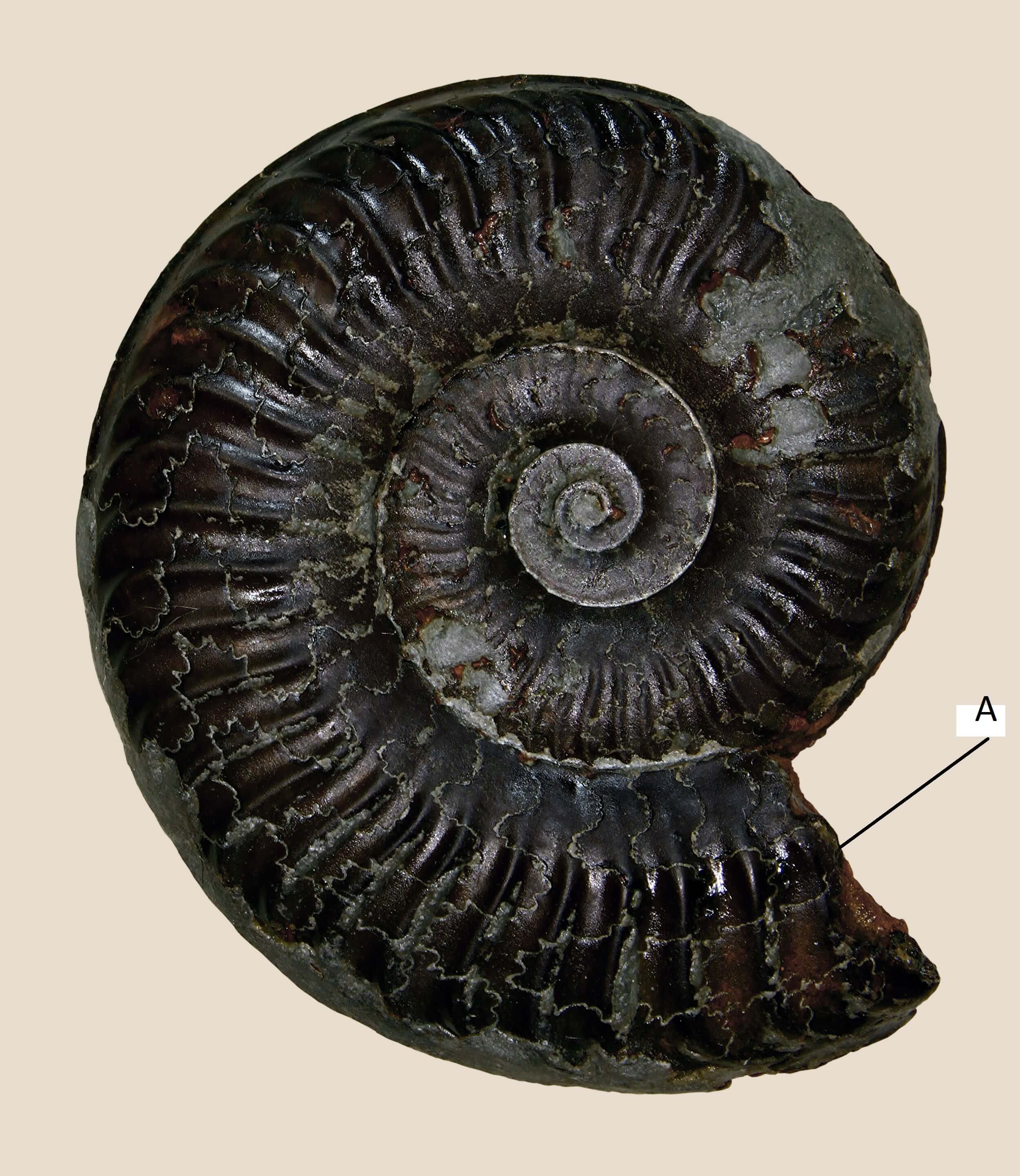
Label A represents the aperture, true or false?
Question 14
What is the difference between ammonoids and nautiloids in relation to their siphuncle?
Question 15
How do cephalopods move laterally?
Question 16
How do cephalopods move vertically?
Question 17
Cephalopods did not actively hunt. True or false?
Question 18
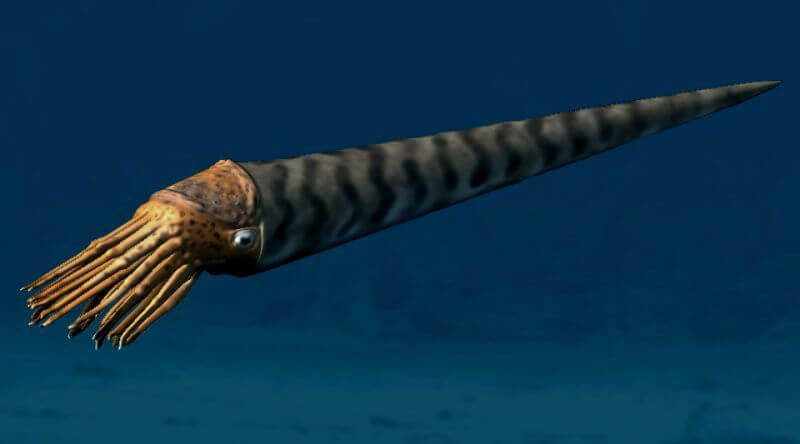
This shape of nautilus first appeared in the Cambrian. When did this type become extinct?
Question 19
When did ammonoids become extinct?
Question 20
After the Permo-Triassic extinction, one single family of ammonoids survived and rapidly evolved and diversified into the mesozoic. True or False?
Question 21
Which of these is not an accepted explanation of the use of suture lines?
Question 22
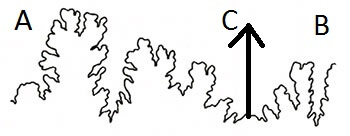
Which direction is the arrow C pointing?
Question 23
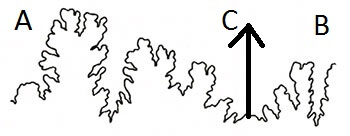
The side on the outside (venter) is A and the side on on the inside (umbilicus) is B. True or false?
Question 24
Which style of suture lines is shown?
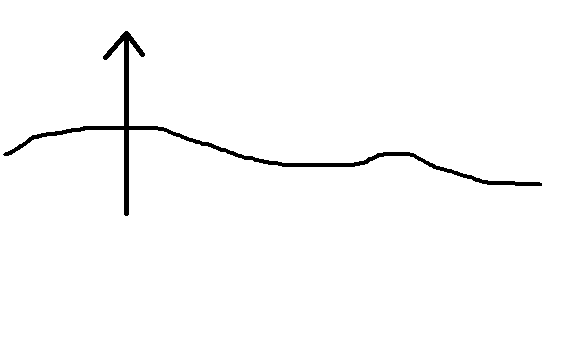
Question 25
Which style of suture lines is shown?
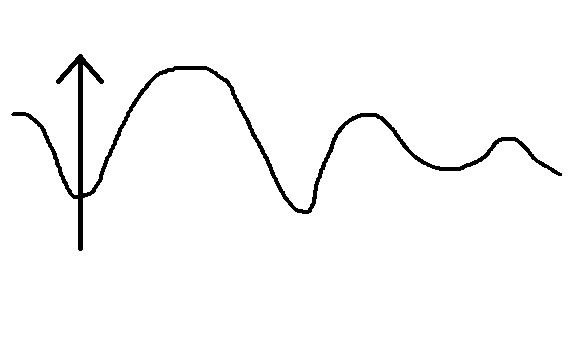
Question 26
Which style of suture lines is shown?
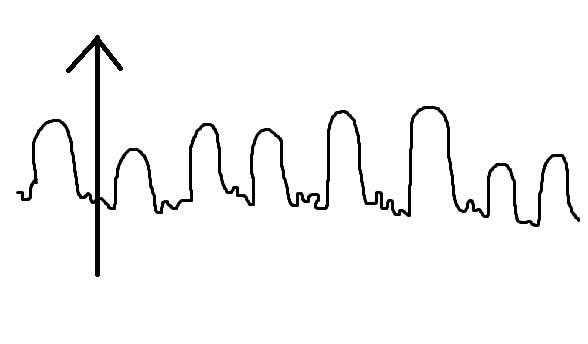
Question 27
Which style of suture lines is shown?
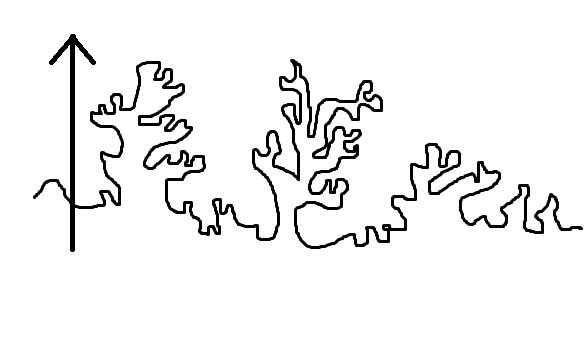
Question 28
Nautiloids have septal necks facing the protoconch but late ammonites have septal necks facing the aperture. True or false?
Question 29
A cephalopod is adapted to be very fast, which of the following features is it most likely to have?
Question 30
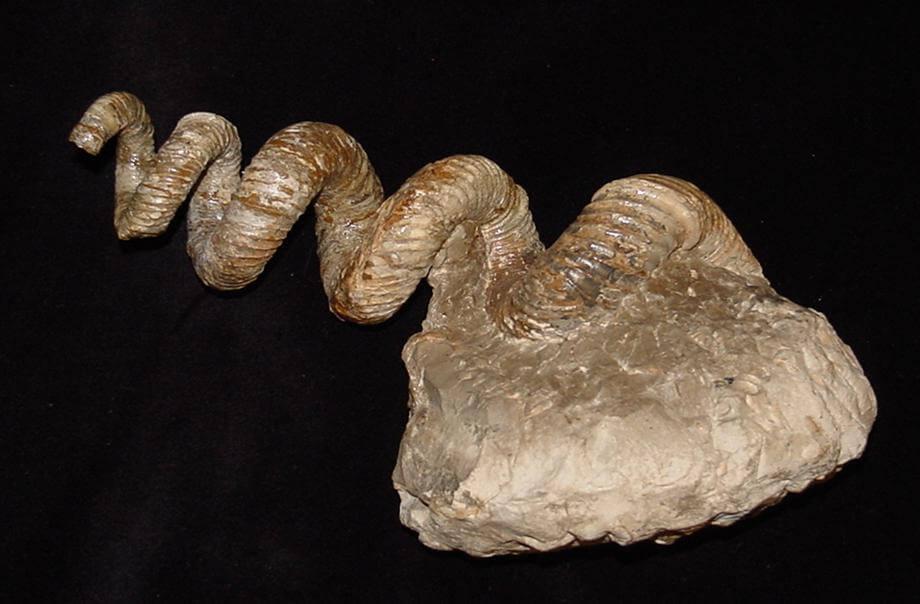
What is the scientific name of this type of ammonite?
Question 31
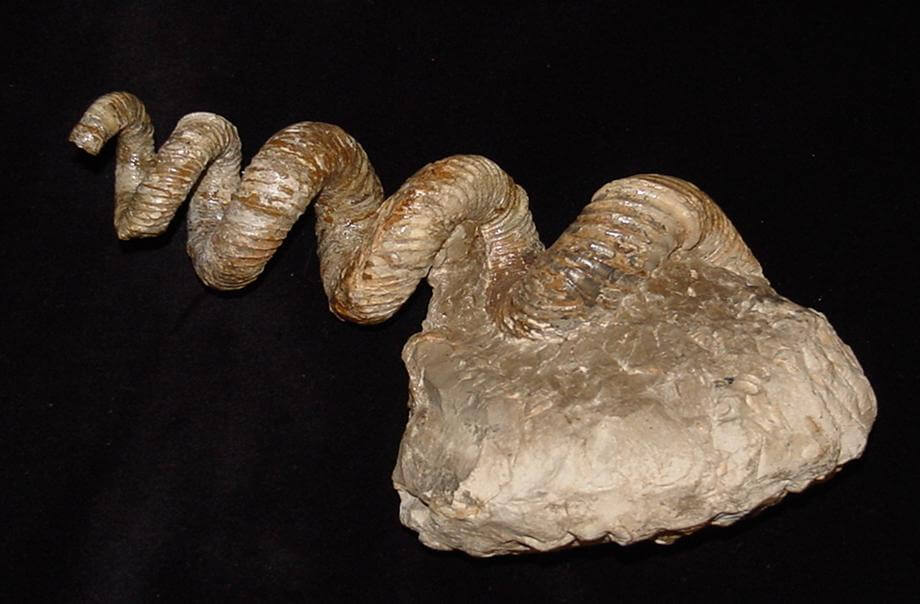
The ammonites like this one evolved to be this shape because they had no competition or predators and so could evolve into extreme forms. True or false?
Question 32
What is the likely mode of life of heteromorph ammonoids?
Question 33
What was the benefit of ammonites having a septal neck closer to the venter?